Punch says Tinubu’s 50,000-naira relief payment exposes the scale of poverty
By the AFREEQUE newsroom, based on Punch
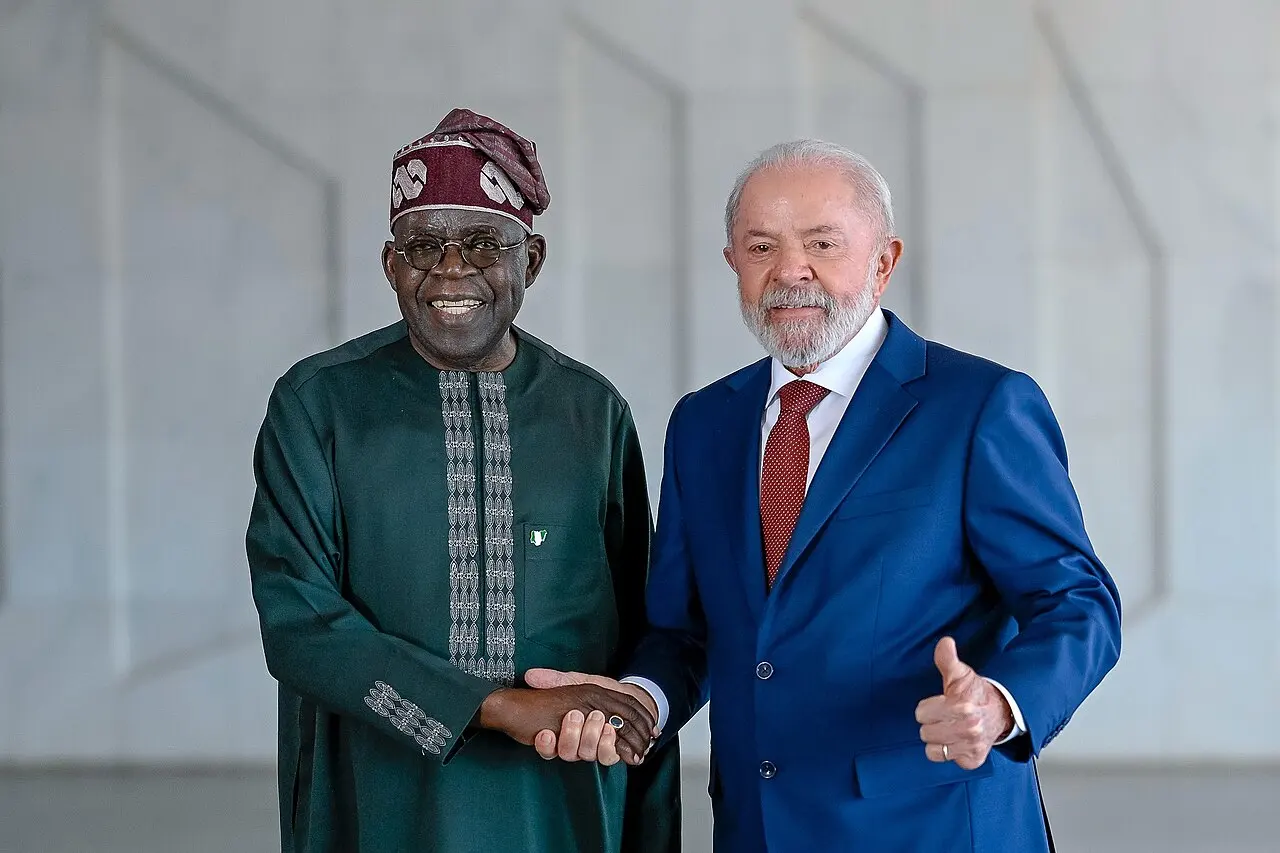
In its editorial, Punch argues that the 50,000-naira transfer to vulnerable households, launched by President Bola Tinubu, is an admission of the scale of poverty ahead of the 2027 presidential election. It cites the Nigeria Living Standards Survey, which puts the number of poor people at 139 million in 2025, and PwC, which forecasts 141 million poor people in December 2026.
In an editorial, the Nigerian daily Punch argues that the 50,000-naira relief payment distributed under President Bola Tinubu’s national emergency relief and stabilisation programme reveals the scale of poverty in the country. The newspaper says a government that has to periodically pay out this sum to millions of citizens is presiding over an economy that does not provide basic economic security. It also sees the operation as suspect in its timing, ahead of the 2027 general elections.
Punch cites the National Living Standards Survey, according to which 139 million Nigerians were living below the poverty line in 2025, compared with 82.9 million (40.1%) in 2018-2019 and 113 million (56%) in 2022-2023. According to PricewaterhouseCoopers' Nigeria Economic Outlook 2026 report, at least 141 million Nigerians, or 62% of the population, will be poorer in December 2026. The UN estimates that 64% of Nigerians could suffer from hunger by 2030.
The newspaper attributes this situation to the removal of the fuel subsidy, the devaluation of the naira and other reforms, which have fuelled inflation. It asks what relief 50,000 naira can bring with purchasing power so eroded. For the government, the programme is an emergency response forming part of its "Renewed Hope" agenda.
The 2027 campaign is already under way: the APC party published Tinubu’s 2027-2031 manifesto on 10 November.