































Petitions seek to classify banditry as terrorism in Kenya
By the AFREEQUE newsroom, based on The Standard
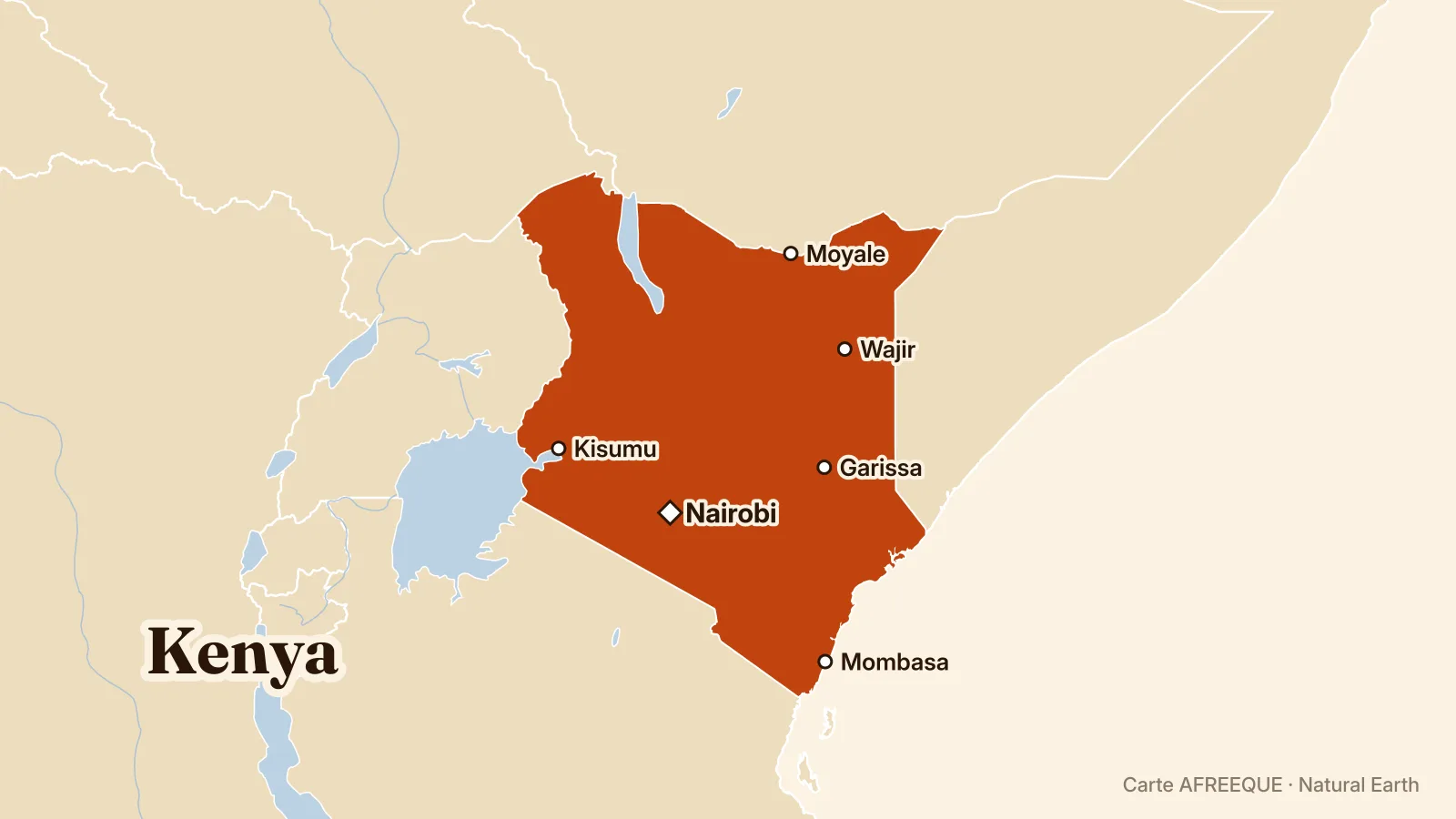
Kenya’s National Assembly has referred petitions against banditry and livestock theft in Isiolo County to its Departmental Committee on Administration and Internal Security. The petitioners are calling for a permanent rapid-response force, a national livestock traceability system and a law classifying armed banditry as terrorism, according to The Standard.
Kenya’s National Assembly has begun examining petitions calling for stronger action against armed banditry and livestock theft in Isiolo County, in the north of the country. The requests have been referred to the parliamentary committee responsible for administration and internal security, which is to examine the situation and the proposed measures, the daily newspaper The Standard reports.
The petitioners are calling, in particular, for a permanent rapid-response mechanism in affected areas and an assessment of the human, livestock and material losses caused by the attacks. They also want a national livestock identification and tracking system to be established to facilitate the tracing of stolen animals. Another proposal seeks to amend Kenya’s 2012 Prevention of Terrorism Act so that organised armed banditry and livestock theft for commercial purposes can be classified as terrorist acts.
The requests also include the creation of a national livestock compensation and recovery mechanism. This would provide for the verification of losses, funding for compensation, the settlement of disputes between counties and support for affected pastoralist communities. The petitioners are also demanding independent investigations and prosecutions of public officials suspected of financing, facilitating or covering up criminal activities.
This parliamentary initiative follows a mobilisation held on 7 October to draw the authorities' attention to insecurity in northern Kenya. Abdikadir Suleiman, who helped organise the demonstration, explained that livestock theft and attacks were affecting families and their livelihoods. The organisers subsequently began submitting their demands to the National Assembly through a petition.