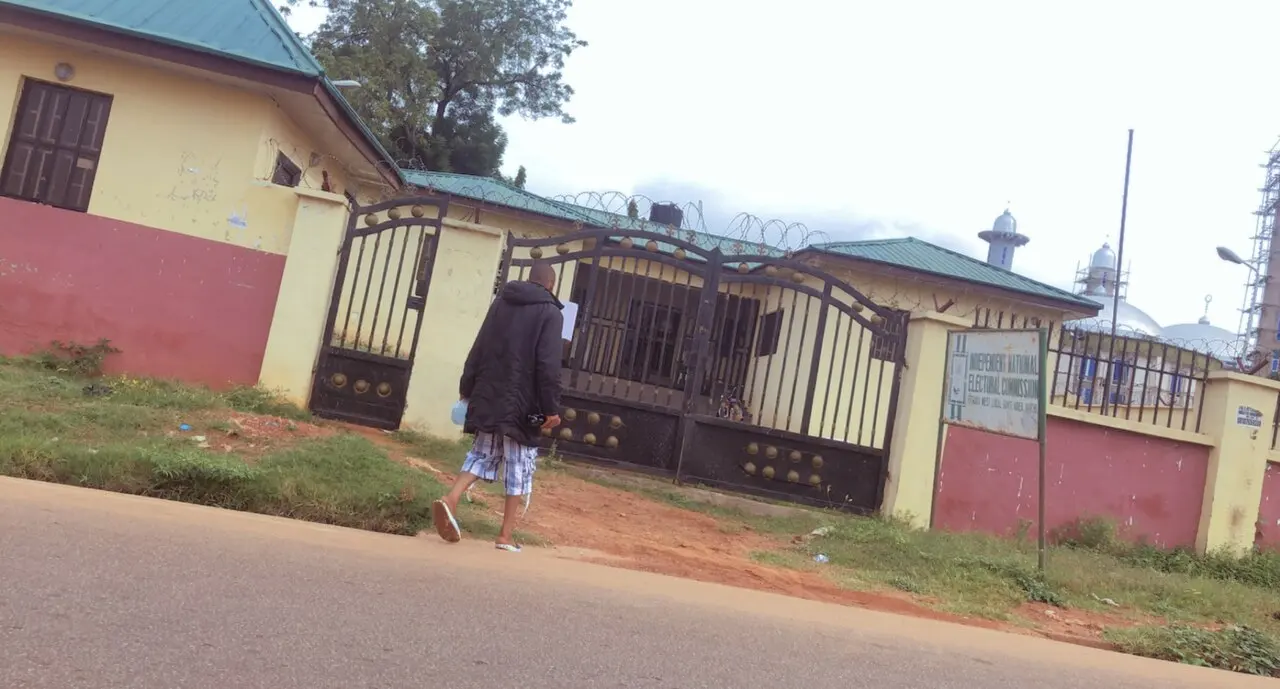
Nigeria’s INEC says it is ready for 2027 despite BVAS glitches
By the AFREEQUE newsroom, based on Vanguard, ThisDay, ThisDay and Leadership
Following the nationwide simulation on 28 November 2026, INEC chairman Joash Amupitan said the commission was ready for the 2027 general elections, despite difficulties with BVAS, delays and low turnout. He also announced the identification of risk-prone polling units and measures to address security issues, according to Vanguard.
Following the nationwide simulation on 28 November 2026, Joash Amupitan said that INEC was ready for the 2027 general elections. The commission’s chairman nevertheless acknowledged that technical and operational difficulties still needed to be addressed to ensure a free, inclusive, credible and transparent election. Yiaga Africa also identified operational, technological and procedural problems during the exercise.
The simulation was intended to test the performance of upgraded BVAS devices, electronic voter accreditation and the transmission of results to the IReV portal. It covered 17,676 polling units selected across the 36 states and the Federal Capital Territory, with two polling units in each of the 8,809 electoral wards. These centres represented approximately 10% of Nigeria’s 176,846 polling units.
Turnout was low in many locations, partly because of insufficient public awareness. Some polling units recorded no voters, while delays in the arrival of staff and materials postponed the start of the exercise. Some voters also encountered difficulties with BVAS, particularly with facial recognition or retrieving their registration details. At other centres, accreditation was completed quickly and without any reported technical problems.
In Jos, Plateau State, Amupitan described the conduct of the exercise and voter participation as satisfactory. He said voters were generally accredited within seconds. The INEC chairman particularly highlighted improvements in fingerprint verification. People whose fingerprints were not recognised could be authenticated through facial recognition, a process he presented as an improvement on previous simulations.
On security, INEC said it had assessed all polling units and forwarded the results to law enforcement agencies. Amupitan said this exercise was intended to identify vulnerable polling units and potential flashpoints. The commission is also deploying its electoral risk management framework to prepare additional measures concerning voters, staff and election materials. It had already asked its commissioners to address operational shortcomings before the simulation.
Electronic transmission remains one of the areas requiring attention. By 9.10 pm, 83.32% of the expected results had been uploaded to IReV, indicating a slow process. Participation difficulties, logistical delays, occasional BVAS failures and the problems identified by Yiaga Africa therefore constitute the main challenges announced by INEC ahead of 2027. The commission has also acquired 57,000 additional BVAS devices to replace defective equipment quickly.