URGENT

INEC tests BVAS, IReV and EC8A ahead of 2027 elections

By , based on Leadership, Leadership, Tribune Online, Kassataya and 2424.mg
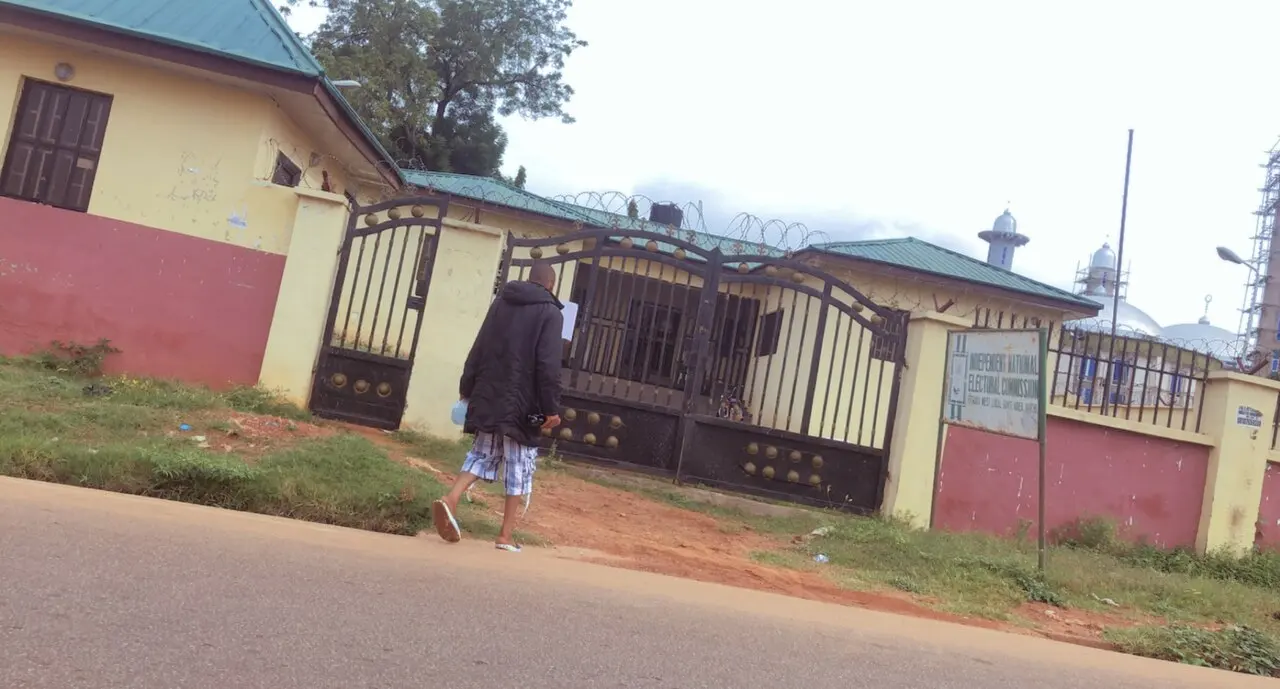
INEC tests BVAS, IReV and EC8A ahead of 2027 electionsKaizenify · CC BY-SA 4.0

Nigeria’s Independent National Electoral Commission (INEC) conducted a simulation on Saturday, 28 November 2026, at 17,676 polling units to test its biometric equipment and electronic results transmission tools. The exercise is intended to address shortcomings before the January 2027 general elections, according to Leadership.

Nigeria’s Independent National Electoral Commission (INEC) conducted an election simulation on Saturday, 28 November 2026, to check whether its equipment and procedures would ensure voter accreditation and the electronic transmission of results during the 2027 general elections. The exercise covered 17,676 polling units across the country’s 36 states and the Federal Capital Territory. The aim was to test the system on a national scale before its use in the elections, Leadership reports.

Three tools are at the heart of the operation. The first is the Bimodal Voter Accreditation System (BVAS), a device that verifies voters' identities using their fingerprints or facial recognition. The second is the INEC Result Viewing Portal (IReV), designed to receive and make accessible results transmitted from polling units. The third is the electronic EC8A form, used to record results at polling unit level. Its nationwide deployment marks another step in INEC’s electoral arrangements.

The simulation is intended in particular to assess the technical reliability of the equipment, the quality of the voter register and whether users can access transmitted results. Samson Itodo, of the election observation organisation Yiaga Africa, identified four areas to examine: device functionality, the integrity of electoral data, system accessibility and operational performance. The exercise will also check how long each accreditation and the digitisation of results forms take.

The transmission of documents is another important issue. Wilfred Ifogah, INEC’s deputy director of voter education and sensitisation, explained that the exercise was also intended to identify the most suitable communication networks for uploading results. In the general elections, each polling unit will have to transmit three separate result sheets: one for the presidential election, one for the Senate and one for the House of Representatives. Electoral officials will therefore have to photograph each of these electronic forms.

INEC is also seeking to test the capabilities of its new BVAS devices. The commission has acquired an additional 57,000 units in preparation for the 2027 elections. The simulation allows them to be tested under conditions closer to a nationwide electoral operation than those of previous trials. Samson Itodo recalled that a comparable exercise held in 2022 covered around 430 polling units, compared with 17,676 this time.

Initial observations nevertheless revealed difficulties. In some centres, voters encountered facial or biometric recognition problems. At Ajipowo Ward 2, in the Akure South area of Ondo State, one participant was unable to get the device to recognise his face. In Lagos, a 67-year-old man said the device eventually identified his face after three attempts. Organisational problems were also reported: at Tutungo, near Paiko, in Niger State, a voter waited five hours for the equipment to arrive after the official assigned to the centre went to the wrong polling unit.

Turnout was also low in several locations. In Abuja, only 12 voters had taken part in the exercise at two polling units observed by Leadership. At Gyadi-Gyadi South, in Kano State, no participants had been recorded by 10 am. In Ogun State, residents said they had not been informed about the simulation. INEC must therefore draw lessons from the technical and operational difficulties observed as it prepares the arrangements for the January 2027 general elections.

Share this article

Ongoing story · day by day

Nigeria General Elections

The national simulation on November 28, 2026, revealed technical and results-transmission difficulties, with approximately 12% of results uploaded by 3:09 p.m.

The latest developments

Earlier in this story

  1. 28 NovLow turnout at Nigeria’s INEC electoral test in Abia
  2. 28 NovNigeria’s INEC tests BVAS system ahead of 2027 elections
  3. 28 NovNigeria’s INEC adds 57,000 BVAS machines ahead of 2027
  4. 25 NovNigeria’s INEC orders commissioners to address operational shortcomings
  5. 25 NovNigeria’s INEC creates artificial intelligence unit ahead of 2027 elections

Understand the story: the key points, the timeline and questions and answers.

The whole story: 11 articles →

Related stories

Nigeria’s INEC tests BVAS system ahead of 2027 elections

Nigeria’s Independent National Electoral Commission (INEC) held a mock voter accreditation exercise on 28 November 2026 at 17,676 polling stations to test its equipment and procedures ahead of the 2027 general elections, according to ThisDay. The exercise revealed uneven participation, including polling stations with no voters in Borno State.

🇳🇬 Nigeria · Source: ThisDay ·

Nigerian elections: BVAS verifies voters by fingerprint or facial recognition

Nigeria’s electoral commission (INEC) has acquired 57,000 new BVAS devices to authenticate voters in the January 2027 general elections using fingerprints and facial recognition. The nationwide simulation on 28 November 2026 tested the equipment and revealed technical difficulties at several polling stations, according to Vanguard.

🇳🇬 Nigeria ·

Low turnout at INEC test in Nigeria’s Ondo State

The mock election organised by Nigeria’s Independent National Electoral Commission (INEC) in more than 17,000 polling units recorded low participation at several centres in Ondo State, where only two people voted out of 470 registered voters at Tipper Garage, according to Vanguard. The exercise, held ahead of the January 2027 general elections, also highlighted biometric system failures and logistical difficulties.

🇳🇬 Nigeria · Source: Leadership ·

Nigeria’s INEC adds 57,000 BVAS machines ahead of 2027

Nigeria’s Independent National Electoral Commission (INEC) has acquired 57,000 new BVAS devices ahead of the January 2027 general elections, to ensure faulty equipment can be replaced quickly, according to Vanguard. Its chairman, Joash Amupitan, also announced a revision of the number of voters assigned to each machine, a biometric audit of the electoral register and improvements to the results publication system.

🇳🇬 Nigeria · Source: Leadership ·

🇳🇬 Latest from Nigeria

Nigerian Army promotes ten lieutenant-colonels to colonelNigerian Army promotes ten lieutenant-colonels to colonelThe Nigerian Army has promoted ten lieutenant-colonels to the rank of colonel at a ceremony in Enugu. Major General Oluremi Fadairo led the presentation of the insignia, Punch reports.All Nigeria news →

Politics in West Africa

Togo repatriates 176 nationals from MaliTogo repatriates 176 nationals from MaliTogo has repatriated 176 of its nationals from Mali, amid returns linked to expulsions from Guinea over illegal gold mining. Togolese authorities have opened three reception centres and begun issuing identity cards to people who returned from Bamako; further returns are being prepared, Bénin Web TV reports.All Politics news →

The week in Africa

This week’s highlights

  1. ECCAS excludes Rwanda at Malabo summit, according to Kinshasa🇨🇩 DR Congo
  2. ECOWAS calls on Guinea-Bissau junta to reconsider election postponement🇬🇼 Guinea-Bissau
  3. Washington tightens Chinese access to US chips🇺🇸 United States
  4. Dangote Refinery to list 125 billion shares in Lagos🇳🇬 Nigeria
  5. Hunger set to worsen in 16 regions, including Sudan🌍 World
All of this week’s highlights →

Africa in your inbox

Be the first to get our letter in English: the essentials from every region of the continent, free.

Free · one email a week · unsubscribe in one click. Your address is only used to send you the letter, never sold. Personal data

← Back to the news