ECOWAS Parliament calls for tougher action against child trafficking
By the AFREEQUE newsroom, based on P.M. News and Punch
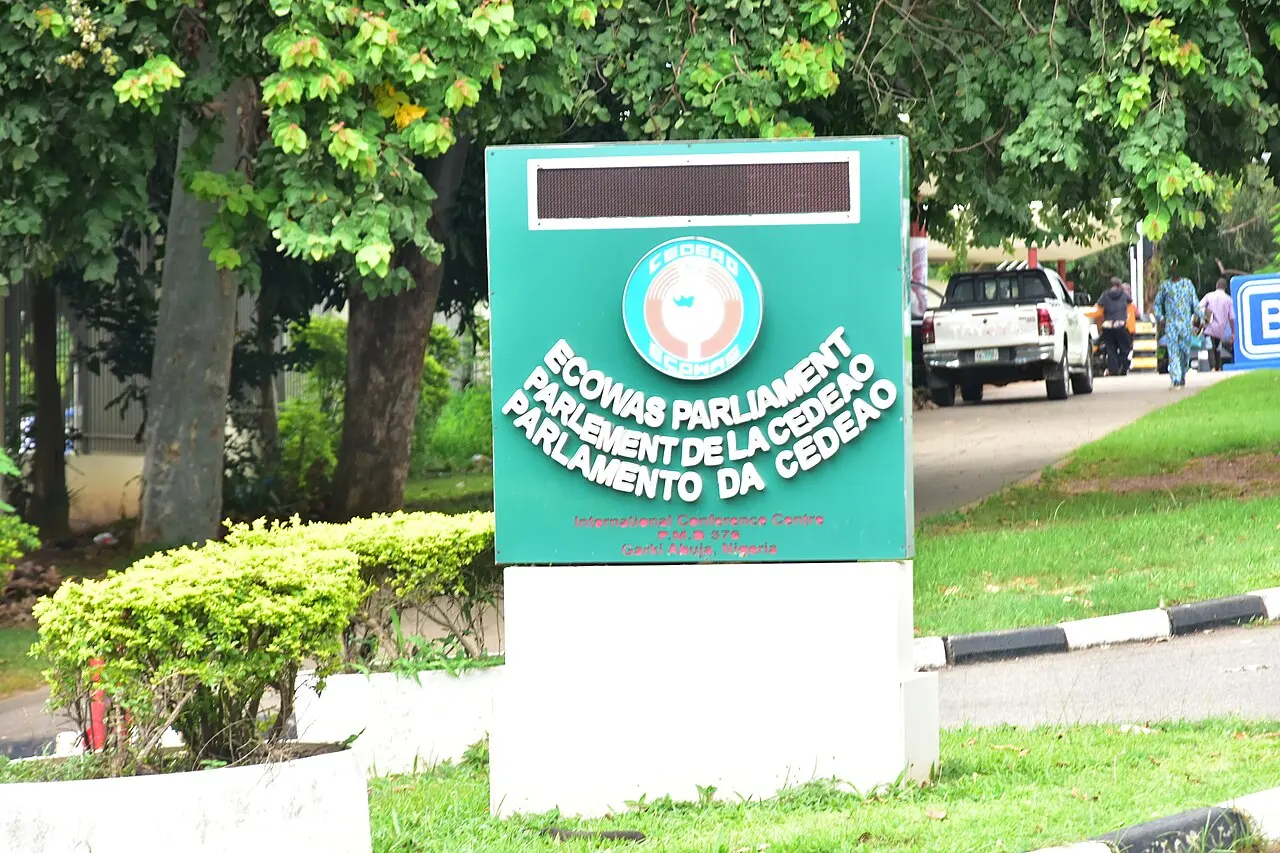
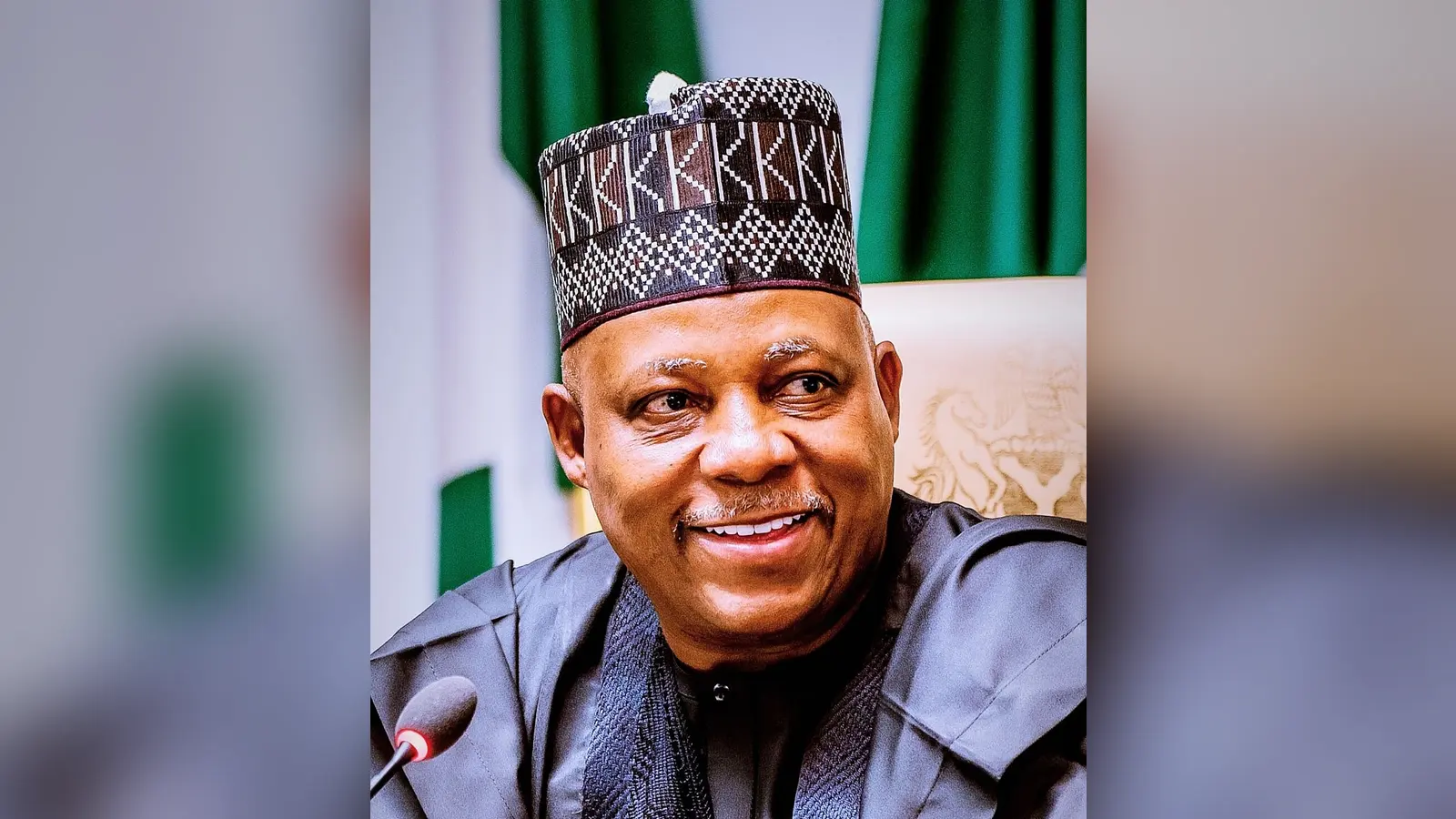
The ECOWAS Parliament is calling on member states to step up the fight against child trafficking and labour and put their commitments to protecting children into practice. Its president, Memounatou Ibrahima, made the appeal on Saturday in Abuja during a workshop held as part of the 2026 ordinary session, according to Punch. She called in particular for better monitoring of existing measures and additional resources.
Memounatou Ibrahima, president of the ECOWAS Parliament, called on member states to step up their efforts against child trafficking and labour on Saturday in Abuja, during a parliamentary workshop held as part of the 2026 ordinary session, according to Punch. She called for regional commitments to be translated into concrete measures and for better enforcement of laws protecting children.
The official highlighted shortcomings in the implementation of existing mechanisms, particularly a lack of funding, inadequate enforcement of penalties and limited coordination between institutions. She urged parliamentarians to assess programme results, including the number of children rescued and reintegrated, strengthen national laws and monitor budgets allocated to child protection. She also advocated monitoring mechanisms with clearly defined responsibilities, recalling that a similar workshop had taken place in May 2023.
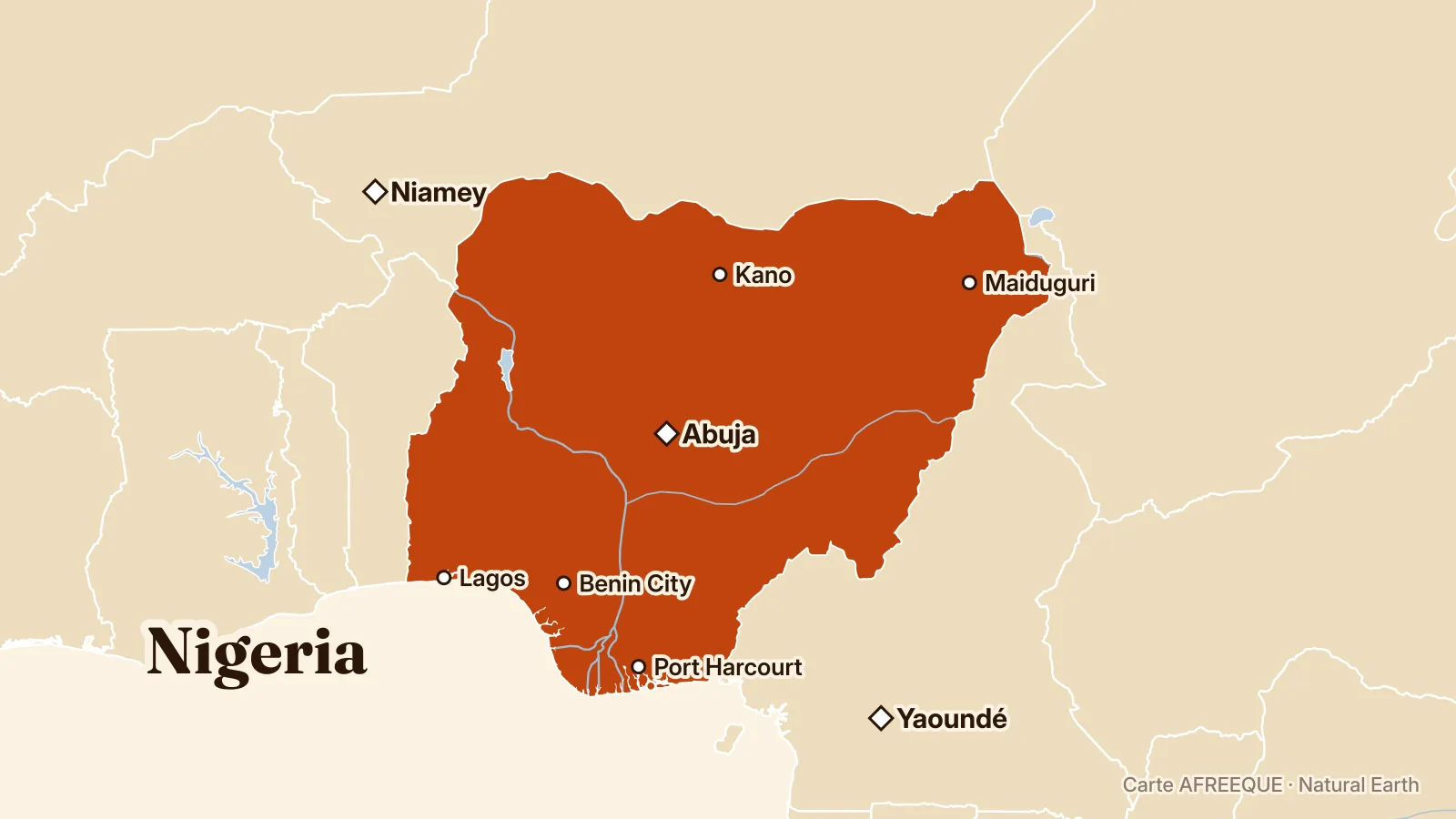
Nassirou Bako, ECOWAS Commissioner for Human Development and Social Affairs, said the number of recorded trafficking victims in the region had increased by 31% between 2019 and 2022. Children accounted for 47.9% of the 12,959 unidentified people mentioned in the statistics presented at the workshop. Benin recorded 4,015 identified victims in 2025, 84.7% of whom were young women. In Nigeria, 1,684 cases were recorded, 46.7% of which involved children.
Bako also reported an increase in convictions for trafficking-related offences in the 12 ECOWAS countries, from 388 in 2024 to 515 in 2025. However, he considered existing arrangements insufficient to meet rehabilitation and reintegration needs. He proposed, in particular, strengthening social registers, creating assistance funds for victims and investing more in vocational training. He also cited insecurity, population displacement and conflicts as factors increasing children’s exposure to exploitation.