














URGENT

Nigeria’s INEC denies claim of Peter Obi election simulation victory

By , based on P.M. News

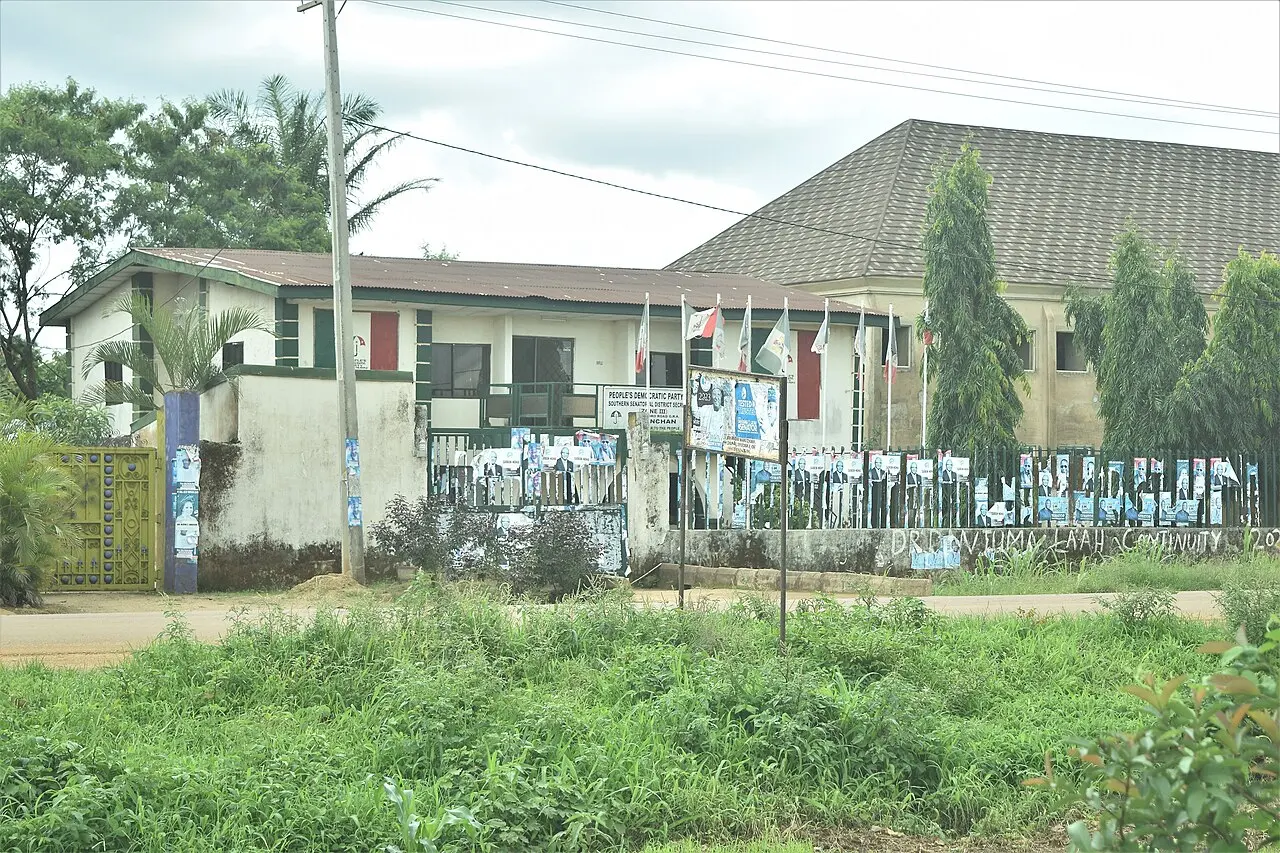
Nigeria’s INEC denies claim of Peter Obi election simulation victoryPeter ObiIllustrative image · Iyusuf615 · CC BY-SA 4.0

Nigeria’s Independent National Electoral Commission (INEC) says no real candidates took part in the election simulation organised to test its systems ahead of the 2027 general elections. It denies figures showing Peter Obi in the lead and says the Nigeria Election Intelligence System website is neither affiliated with nor authorised by the commission, according to its statement.

Nigeria’s Independent National Electoral Commission (INEC) has dismissed as false data attributing a lead to Peter Obi, presidential candidate of the Nigeria Democratic Congress (NDC), during an electoral exercise held on Saturday. INEC also said that the Nigeria Election Intelligence System (NEIS) website was neither affiliated with nor authorised by the commission.

Saturday’s exercise aimed to test electoral technologies, procedures and logistics ahead of the 2027 general elections. No real political parties or candidates took part: the ballot papers used featured fictitious names, INEC said in a statement published on Sunday by Adedayo Oketola, the commission’s spokesperson and chairman’s adviser.

The disputed figures came from an independent NEIS simulation, which placed Peter Obi ahead of Bola Tinubu and Atiku Abubakar with more than five million simulated votes. The presidential campaign council of the ruling APC party had also described the data as fraudulent. INEC has urged political parties, candidates, the media and the public not to circulate the figures and is considering possible action against those responsible. This clarification comes after the expansion of the biometric voting system, with 57,000 additional BVAS devices, announced on 28 November.

Share this article

Ongoing story · day by day

Nigeria’s general elections

On November 29, 2026, INEC Chairman Joash Amupitan says the commission is ready for the 2027 general elections despite BVAS malfunctions, delays and low turnout in the national test.

The latest developments

Earlier in this story

  1. 29 NovINEC tests BVAS, IReV and EC8A ahead of 2027 elections
  2. 29 NovNigerian elections: BVAS verifies voters by fingerprint or facial recognition
  3. 29 NovNigeria elections: 12% of test results uploaded
  4. 28 NovLow turnout at INEC test in Nigeria’s Ondo State
  5. 28 NovLow turnout at Nigeria’s INEC electoral test in Abia

Understand the story: the key points, the timeline and questions and answers.

The whole story: 15 articles →

Related stories

Nigeria’s INEC tests BVAS system ahead of 2027 elections

Nigeria’s Independent National Electoral Commission (INEC) held a mock voter accreditation exercise on 28 November 2026 at 17,676 polling stations to test its equipment and procedures ahead of the 2027 general elections, according to ThisDay. The exercise revealed uneven participation, including polling stations with no voters in Borno State.

🇳🇬 Nigeria · Source: ThisDay ·

SERAP demands cybersecurity audits of Nigeria’s electoral systems

Nigerian NGO SERAP has given the Independent National Electoral Commission (INEC) seven days to publish technical reports and cybersecurity audits of its electoral systems ahead of the 2027 general elections, according to Vanguard. The demand follows a nationwide simulation held on 28 November across 17,676 polling stations, which raised questions about the reliability of equipment and results transmission systems.

🇳🇬 Nigeria · Source: P.M. News ·

Nigerian elections: BVAS verifies voters by fingerprint or facial recognition

Nigeria’s electoral commission (INEC) has acquired 57,000 new BVAS devices to authenticate voters in the January 2027 general elections using fingerprints and facial recognition. The nationwide simulation on 28 November 2026 tested the equipment and revealed technical difficulties at several polling stations, according to Vanguard.

🇳🇬 Nigeria ·

INEC tests BVAS, IReV and EC8A ahead of 2027 elections

Nigeria’s Independent National Electoral Commission (INEC) conducted a simulation on Saturday, 28 November 2026, at 17,676 polling units to test its biometric equipment and electronic results transmission tools. The exercise is intended to address shortcomings before the January 2027 general elections, according to Leadership.

🇳🇬 Nigeria ·

🇳🇬 Latest from Nigeria

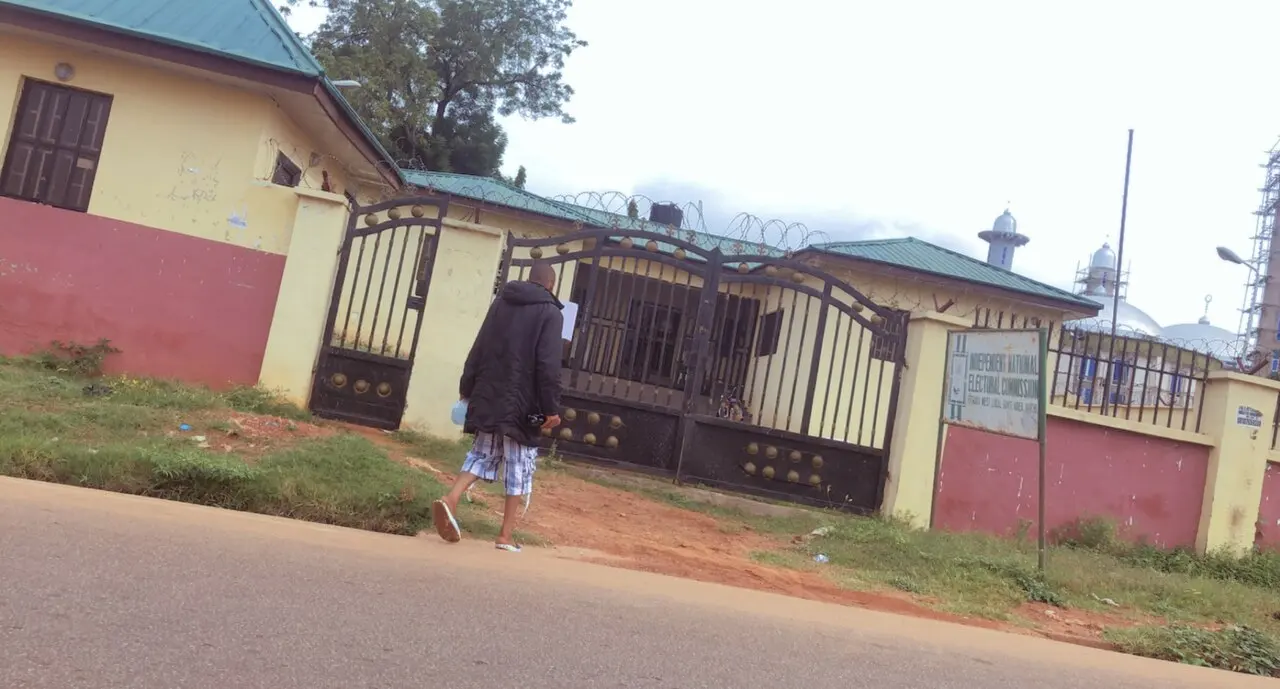
Armed men set fire to rally venue in Imo StateArmed men set fire to rally venue in Imo StateArmed men set fire on the evening of 28 November to the venue planned for the launch of the Rainbow Coalition in Amaimo, in Nigeria’s Imo State. More than 40 tents and facilities were destroyed and workers assaulted, according to Vanguard. The attack comes amid tensions between the PDP and APC, as Governor Hope Uzodimma rejects the coalition’s presence, despite its support for Bola Tinubu’s re-election in 2027.All Nigeria news →

Politics in West Africa

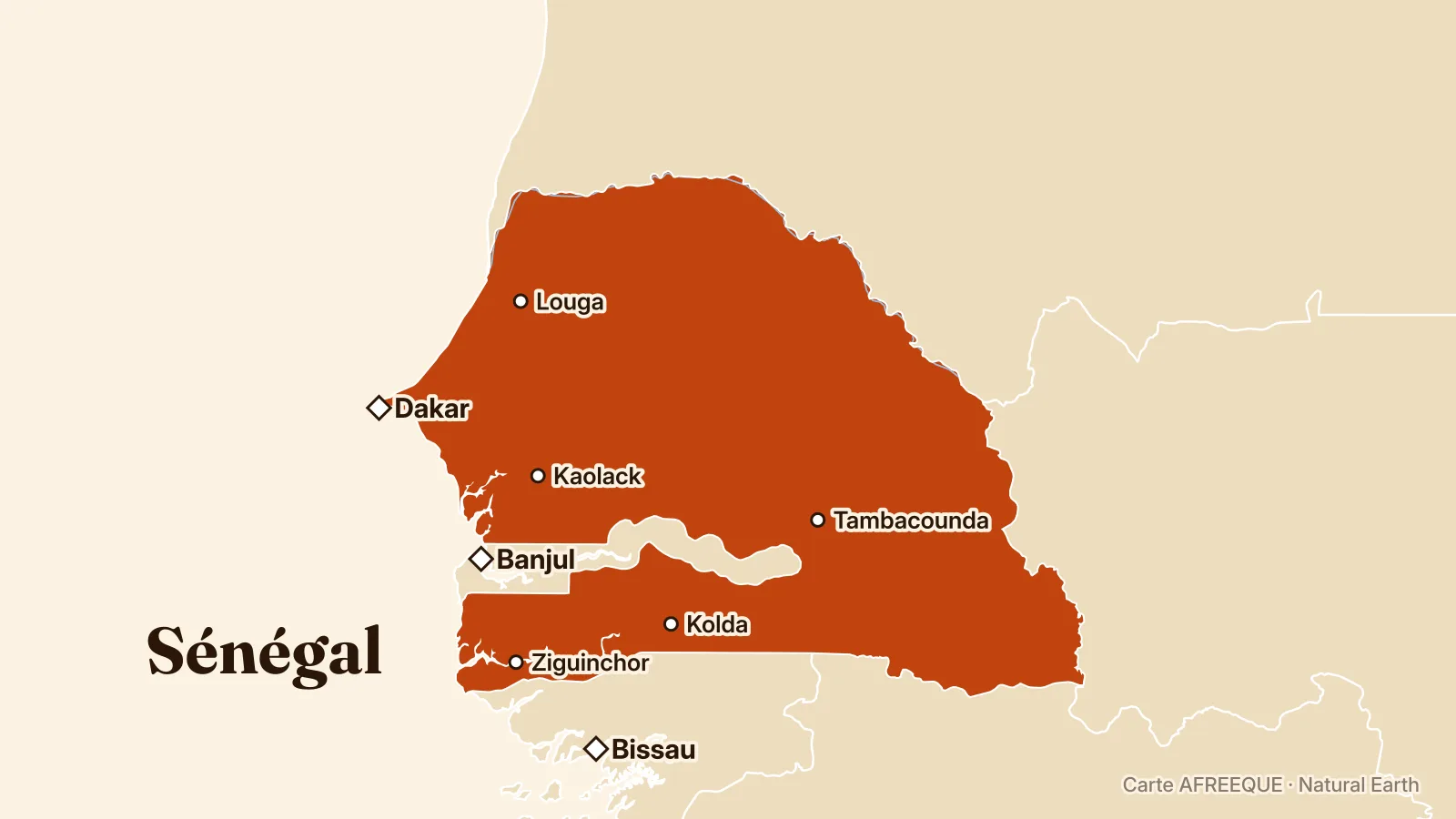
Map: SenegalOulampane mayor Sagar Coly dies after being burned in SenegalOulampane mayor and PASTEF municipal coordinator Sagar Coly died on Sunday 29 November 2026 in Ziguinchor, after suffering severe burns at his home on 26 November, according to Le Soleil. His wife, suspected of the attack, reportedly admitted to the incident before the gendarmes. PASTEF paid tribute to his political commitment and offered its condolences to his loved ones.All Politics news →

The week in Africa

This week’s highlights

  1. Russian strikes kill three people in Ukraine🇺🇦 Ukraine
  2. Spaniards vote to choose the next government🇪🇸 Spain
  3. Niger sanctions CNPC and seeks to revise Benin pipeline terms🇳🇪 Niger
  4. ECOWAS calls on Guinea-Bissau junta to reconsider election postponement🇬🇼 Guinea-Bissau
  5. Washington extends agreement on Egyptian antiquities for five years🇪🇬 Egypt
All of this week’s highlights →

Africa in your inbox

Be the first to get our letter in English: the essentials from every region of the continent, free.

Free · one email a week · unsubscribe in one click. Your address is only used to send you the letter, never sold. Personal data

← Back to the news