













Nigeria’s INEC acknowledges trust deficit and announces reforms
By the AFREEQUE newsroom, based on Leadership and Daily Trust
Nigeria’s electoral commission (INEC) acknowledges that the 2023 general election undermined public confidence and says it has begun overhauling its operations ahead of the 2027 vote, according to Daily Trust. Its chairman, Joash Amupitan, announced several technological and administrative measures, including an audit of the electoral register and tighter scrutiny of results.
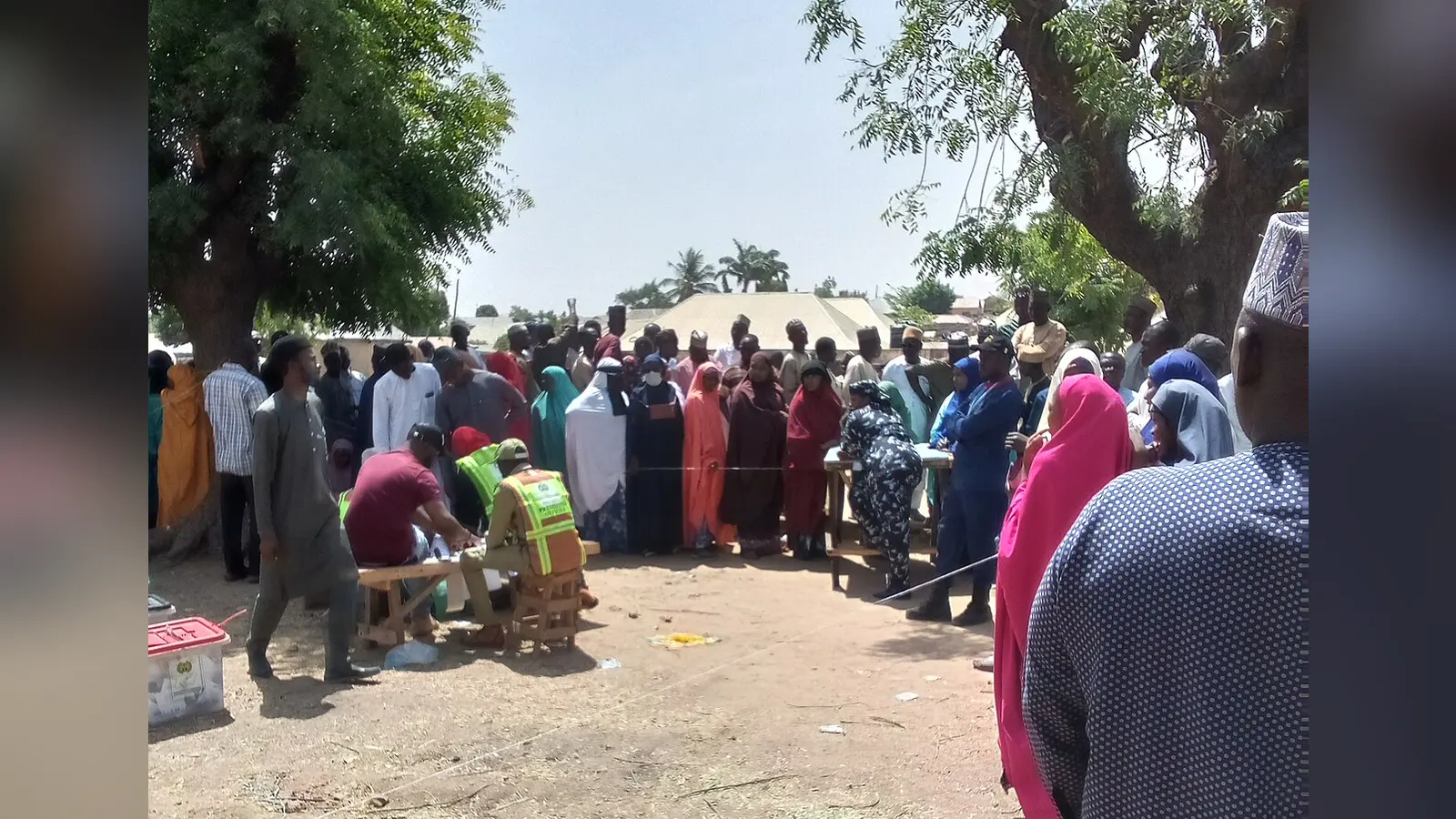
Over the past 13 months, INEC has used governorship elections held in Anambra, Ekiti and Osun states, local council elections in the Federal Capital Territory and 16 by-elections to address its operational weaknesses, Joash Amupitan said in Abuja through National Commissioner May Agbamuche-Mbu. He said these exercises had helped reduce the time taken to announce results to 24 hours.
The commission has also revised its procedures in line with the Electoral Act 2026. Its IReV electronic portal has been strengthened to automatically reject polling station result sheets, particularly EC8A forms, containing arithmetic errors or recording more votes than the number of accredited voters.
Regarding electoral inclusion, 232,658 people living with disabilities are now on the electoral register. INEC plans to expand assistive equipment to facilitate their participation. Biometric checks on the register, particularly through the Automated Biometric Identification System (ABIS), have also enabled the removal of more than 1.6 million irregular registrations. The register now contains more than 100 million verified voters.
A test election is scheduled for 28 November to assess the technological systems ahead of the 2027 general election. Amupitan also raised concerns about political violence, intimidation and attacks on campaign convoys and supporters. He said security forces would work with the commission to prosecute those responsible for these acts and those who ordered them.