


























Electoral violence in Nigeria raises fears of capital flight
By the AFREEQUE newsroom, based on Ghanaian Chronicle, Business Day Nigeria, Daily Trust and P.M. News
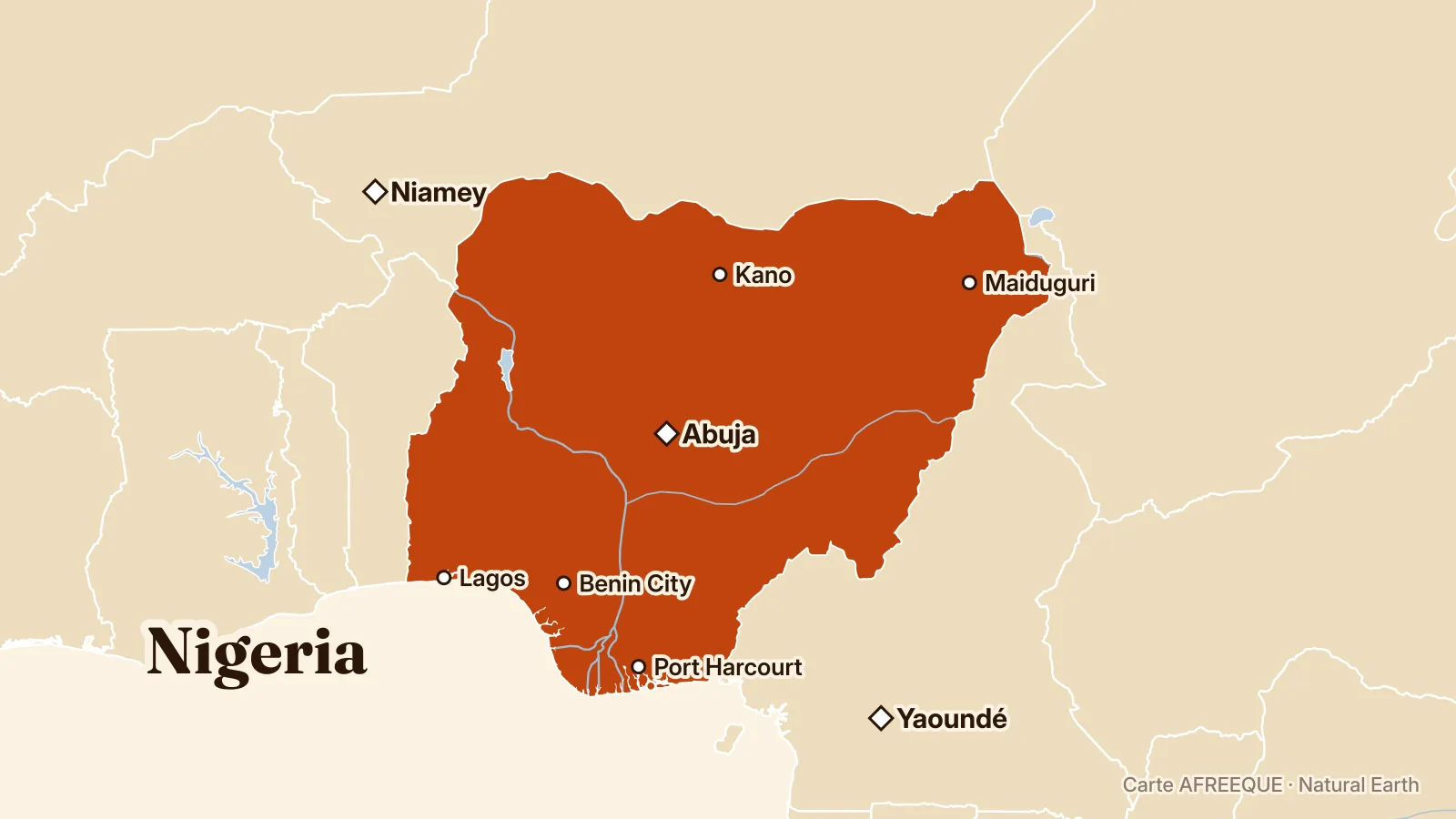
Political violence that is increasing ahead of Nigeria’s 2027 general elections could weaken investor confidence, trigger capital flight and raise the cost of doing business, according to Daily Trust. The Centre for the Promotion of Private Enterprise (CPPE) issued this warning, which targets political leaders as much as state institutions.
In a policy note published on Sunday, the Centre for the Promotion of Private Enterprise (CPPE), led by Muda Yusuf, sets out the economic effects of this instability: uncertainty for investment, disruption to business activity, capital outflows, pressure on the exchange rate and higher operating costs. According to him, high political risks can deter new projects, delay expansion plans and push up the risk premiums demanded by investors.
Clashes, insecurity and violent protests could also threaten supply chains, logistics and access to markets. On the foreign exchange market, Muda Yusuf warns that prolonged instability could weigh on investor sentiment, prompt portfolio withdrawals and heighten currency volatility.
The CPPE calls for security to be prioritised around shopping centres, industrial sites, transport corridors, markets and critical infrastructure throughout the electoral period. Muda Yusuf also considers the independence of the Independent National Electoral Commission (INEC), security services, the judiciary and regulators essential to the credibility of the poll and to investor confidence.
He calls on parties and their leaders to publicly reject violence, restrain their supporters and cooperate with investigations and prosecutions of perpetrators. Finally, he asks that political competition not disrupt economic governance or existing contractual commitments, and that leaders put national economic stability above partisan interests.