Nigeria raises foreign exchange bureaux cash limit to $1 million
By the AFREEQUE newsroom, based on Vanguard

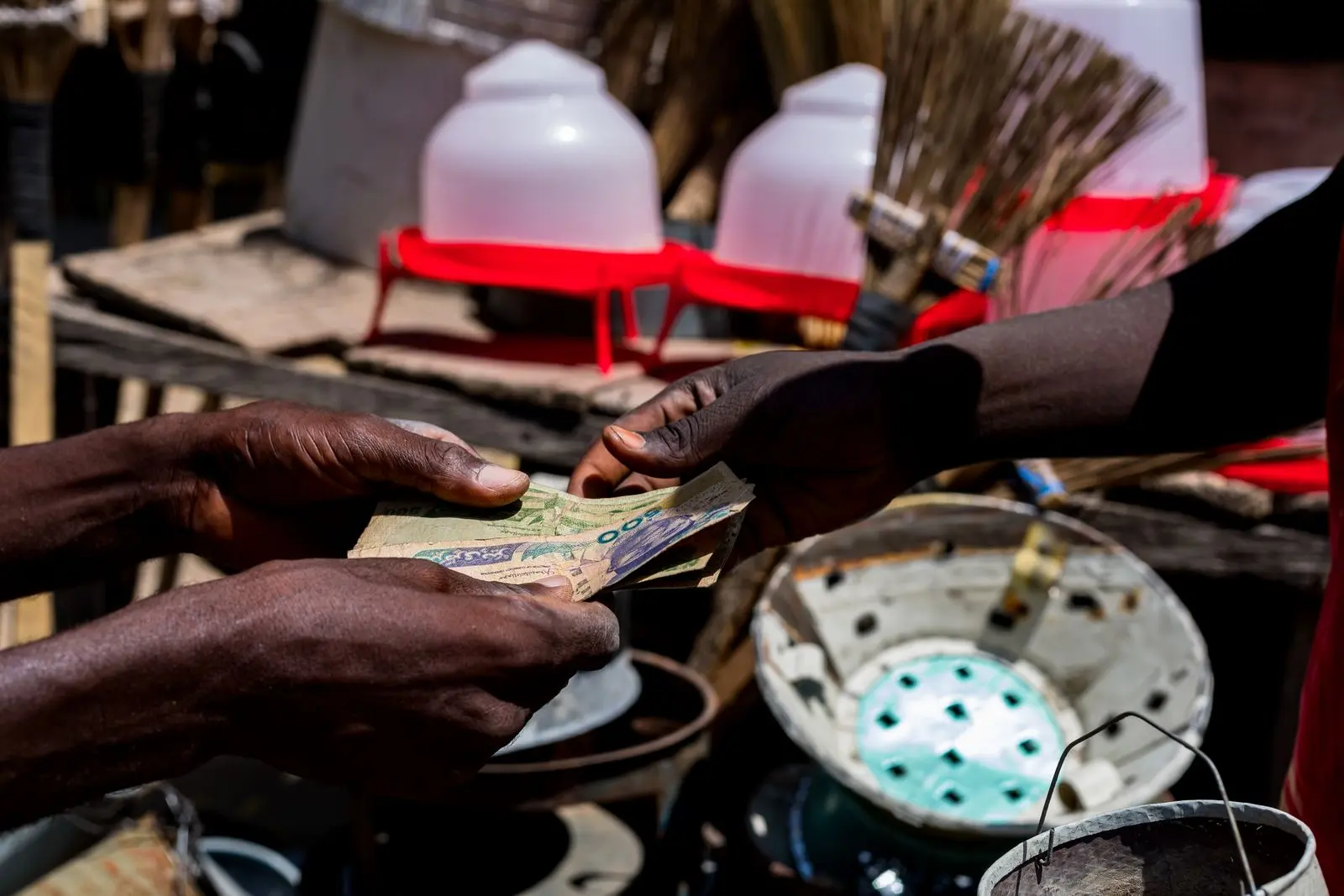
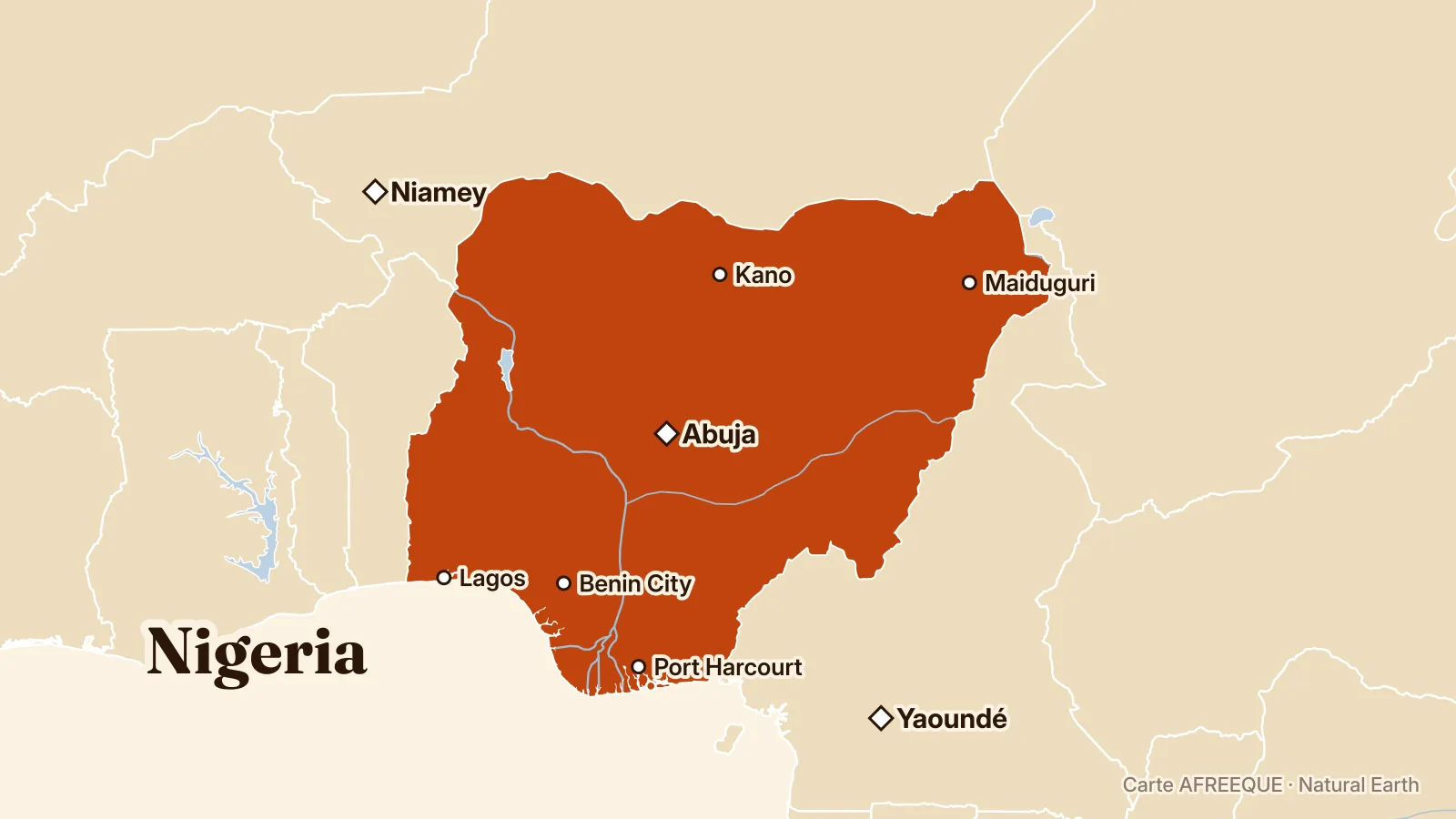
Nigeria’s central bank has temporarily raised the weekly limit for foreign exchange bureaux to purchase cash dollars from $150,000 to $1 million to address seasonal pressures in the foreign exchange market. It has also pledged to supply dollars in cash to authorised banks, which will be able to use them to meet up to 100% of these bureaux' foreign exchange purchases, according to Vanguard.
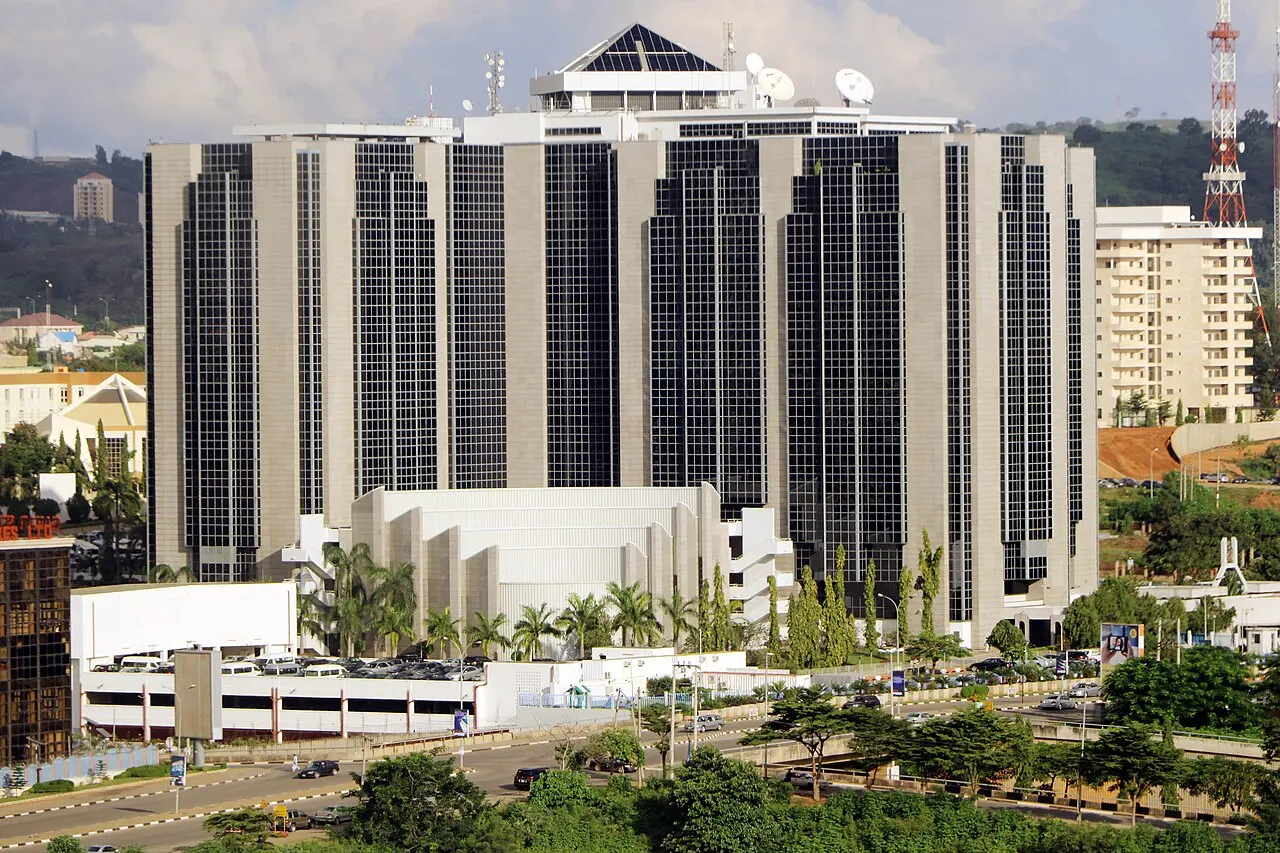
The Central Bank of Nigeria (CBN) has temporarily raised the weekly cash foreign exchange purchase limit for each licensed Bureau de Change (BDC) operator from $150,000 to $1 million. It also plans to supply authorised commercial banks to enable them to meet their customers' needs, according to a directive communicated by email on 24 November 2026 and confirmed to Vanguard by bankers and foreign exchange operators.
Licensed bureaux will now be able to receive in cash up to 100% of the value of their approved foreign exchange purchases on Nigeria’s official foreign exchange market, the NFEM. Transactions will be conducted through the banks where they hold their settlement accounts. The central bank has pledged to provide these institutions with the dollars needed for distribution.
Kunle Ezun, chief economist at Ecobank Nigeria, confirmed that the directive had been sent. He said banks were preparing to launch operations, with a processing time of two days. Taiwo Ebenezer, head of the South-West zone of the Association of Bureaux De Change Operators of Nigeria (ABCON), also said that some banks had already contacted operators.
Under the procedure, bureaux de change must submit their requests through the FX Purchase Tracker (FXBT) portal. Banks must acknowledge receipt on the same day, then approve or reject each request on the platform, giving reasons for any refusals. They subsequently consolidate confirmed requirements for verification before receiving dollars from the CBN and distributing them to the operators concerned.
The central bank presents the measure as a response to the seasonal increase in demand for dollars and a way to facilitate access to cash for end users. It comes as Nigeria’s foreign exchange market faces pressures, particularly from declining foreign exchange reserves and fluctuations in the naira.
Key figures
Africa in data · Currencies
 The naira against the dollar
$1 = 1,367 naira
−1.6% over 7 days−1.6% over 30 days
Reference rate of 24 November 2026
Its value in dollars, over 12 weeks
1 Sept24 Nov
The region’s currencies, over 7 days
 Dalasi 74.15 GMD0.0%
 Leone 22.97 SLE−0.1%
 Ouguiya 40.71 MRU−0.6%

 CFA franc 600.9 XOF−0.8%
 Cedi 11.84 GHS−1.2%
- Naira 1,367 NGN−1.6%
See the figures
| Week | $1 = |
|---|---|
| 24 November 2026 | 1,367 NGN |
| 17 November 2026 | 1,346 NGN |
| 10 November 2026 | 1,345 NGN |
| 3 November 2026 | 1,341 NGN |
| 27 October 2026 | 1,343 NGN |
| 20 October 2026 | 1,331 NGN |
| 13 October 2026 | 1,328 NGN |
| 6 October 2026 | 1,322 NGN |
| 29 September 2026 | 1,326 NGN |
| 22 September 2026 | 1,326 NGN |
| 15 September 2026 | 1,324 NGN |
| 8 September 2026 | 1,322 NGN |
| 1 September 2026 | 1,338 NGN |