Nigeria keeps benchmark interest rate at 23% amid election spending
By the AFREEQUE newsroom, based on Leadership and Daily Trust
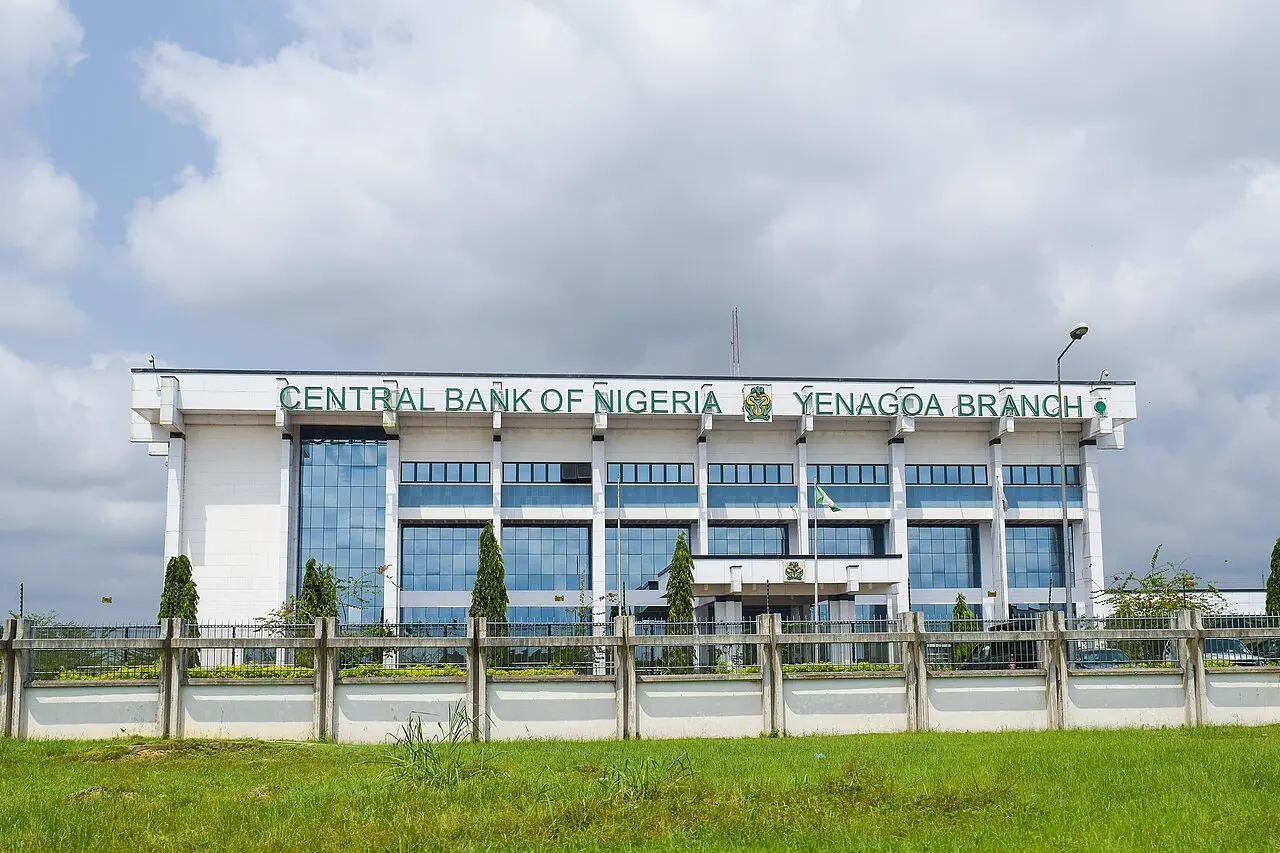
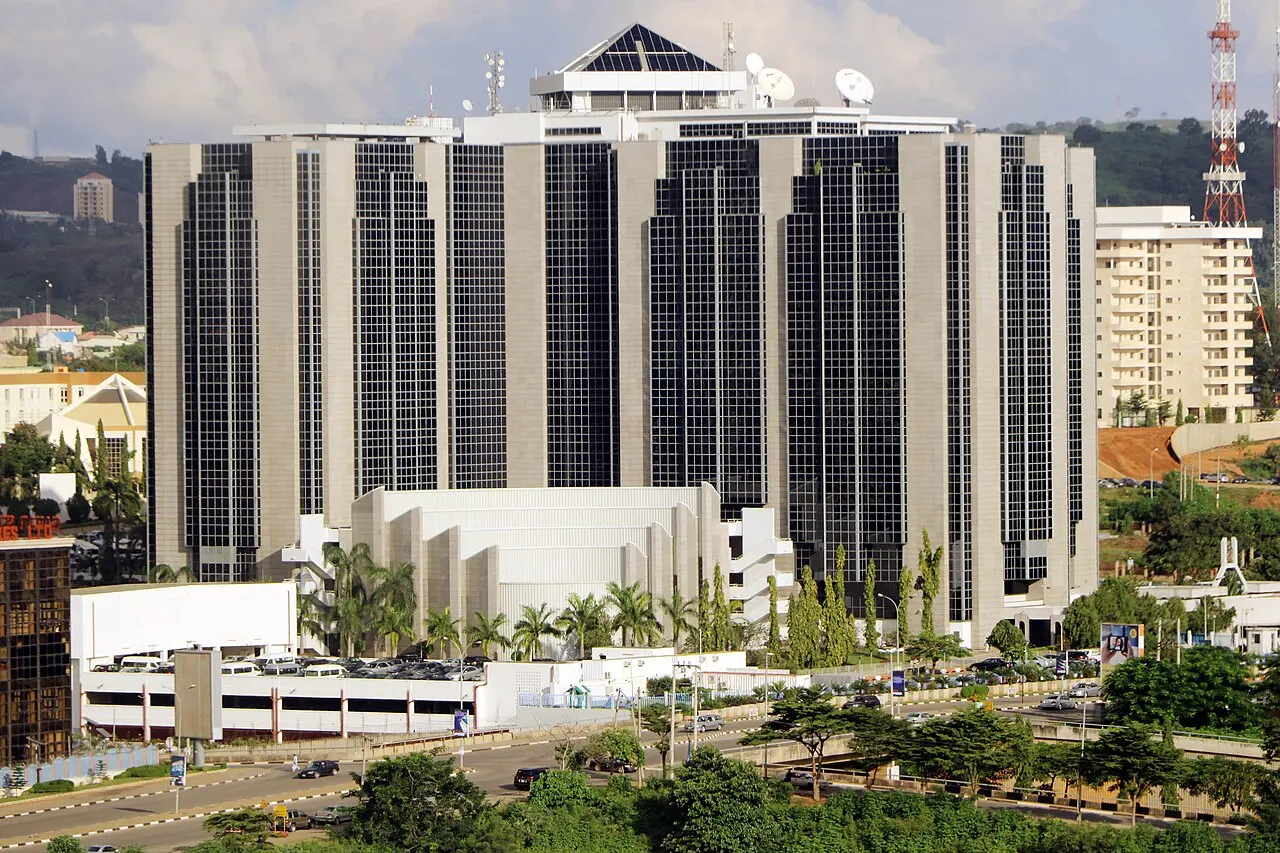
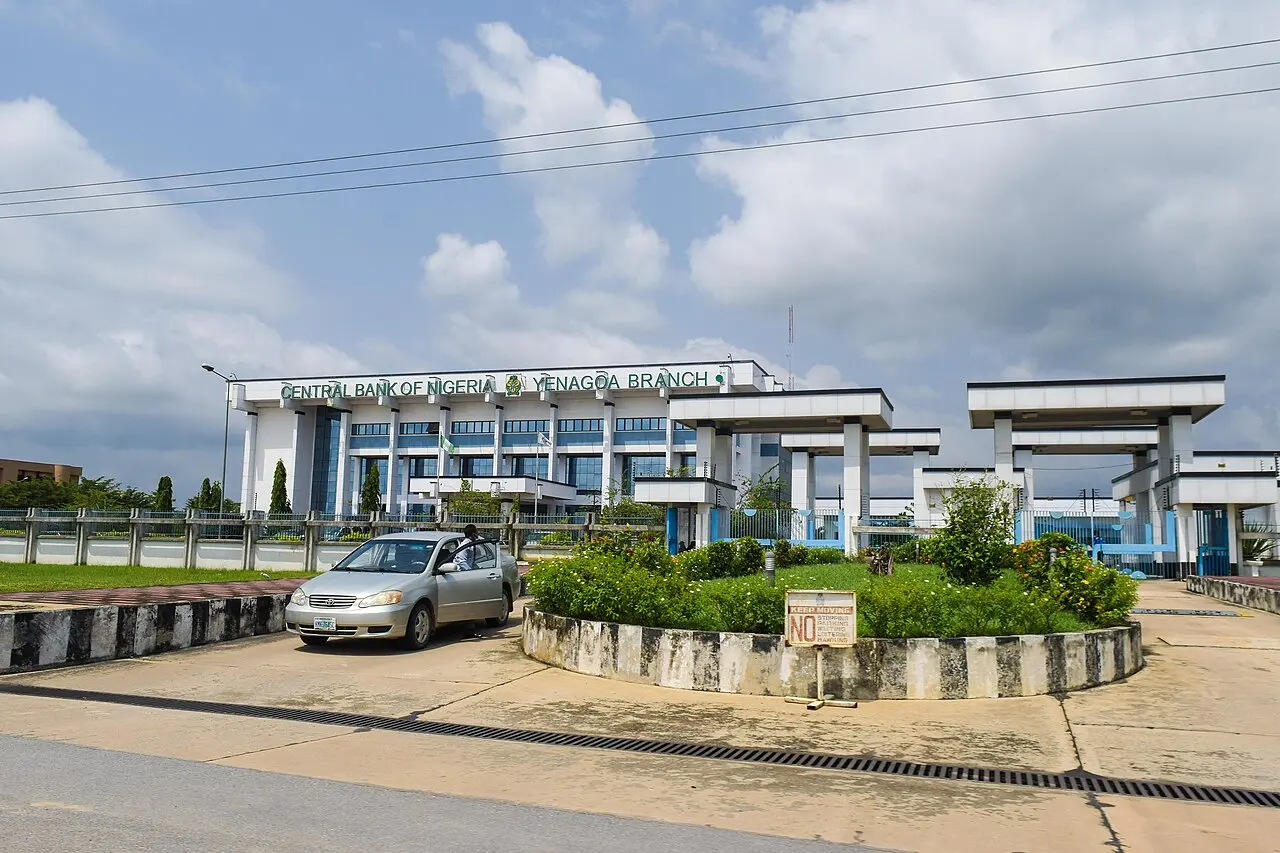
The Central Bank of Nigeria (CBN) kept its benchmark interest rate at 23% at its 308th monetary policy meeting, held on 23 and 24 November 2026. The decision comes as inflation fell to 14.06% in October, but pressures from money in circulation, election spending and energy uncertainties persist, reports Daily Trust.
The Central Bank of Nigeria kept its benchmark interest rate at 23% after inflation fell to 14.06% in October 2026. The decision was taken at the 308th meeting of the Monetary Policy Committee, held on 23 and 24 November, according to Daily Trust. Governor Olayemi Cardoso signed the statement formalising the decision.
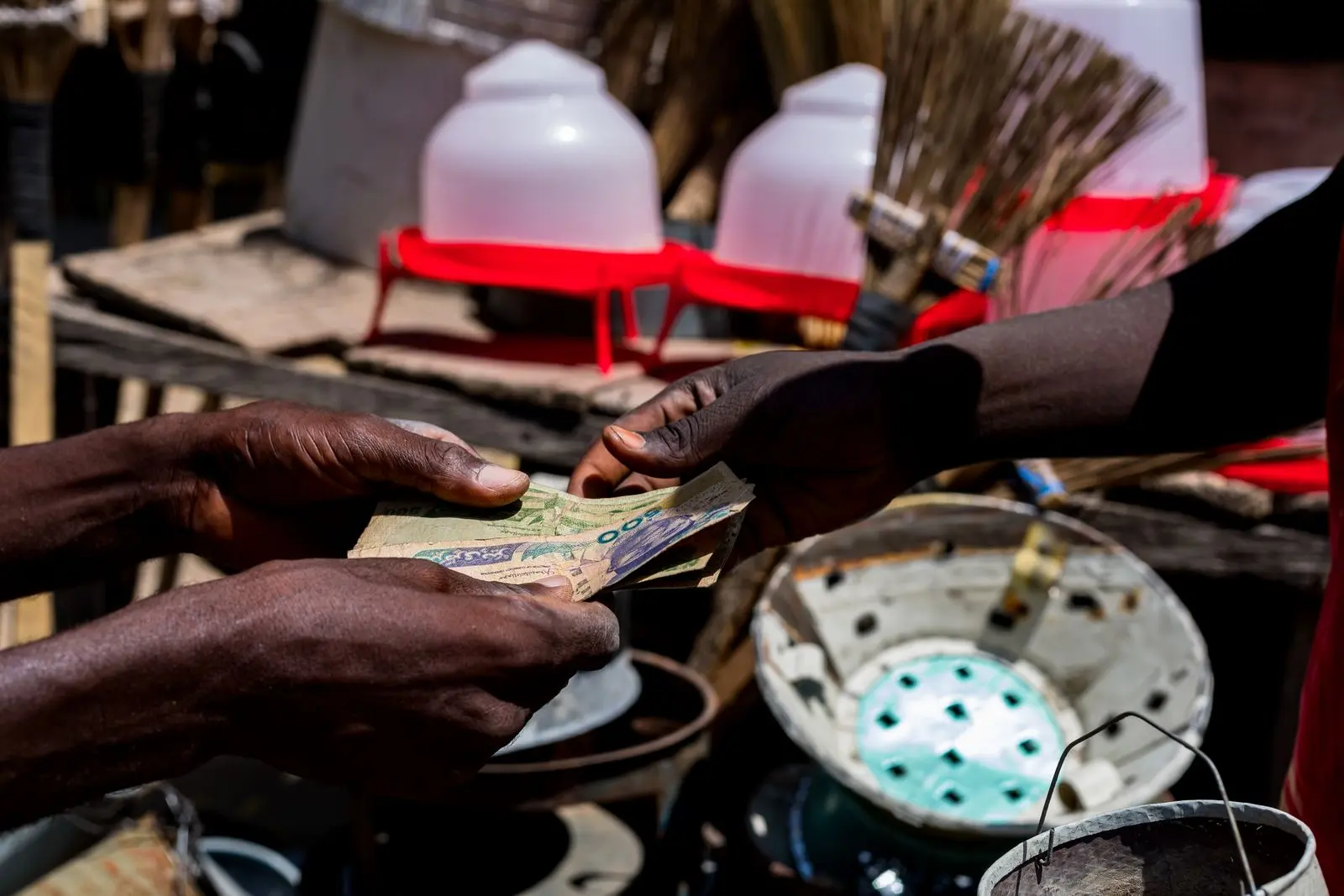
Olamide Ologunagbe, a macroeconomic strategist at Afrinvest Group, believes that growth in the money supply justifies this cautious approach. Its annual growth rate rose from 4.7% in April to around 19.7% in September. She also noted tensions in the foreign exchange market since mid-October, which prompted the central bank to sell dollars at a rate not seen since the Covid-19 pandemic. She recommends monitoring these two indicators before considering monetary easing.
Abdulazeez Kuranga, regional economist for West Africa at Standard Bank Group, highlighted the difficulties of anticipating price movements since the revision of the method used to calculate them. He noted food inflation of 14.06% and core inflation of close to 10%. Tensions linked to the conflict in the Middle East also pose a risk to the disinflation trajectory.
Nigeria’s presidential and parliamentary elections are scheduled for 16 January 2027, followed by gubernatorial and state assembly elections on 6 February. Cowry Research believes that campaign spending and associated liquidity movements linked to this timetable influenced the decision to keep rates unchanged. Tayo Bello also considers that a reduction in borrowing costs could have stimulated borrowing, increased the money in circulation and reignited price rises, particularly for food.