Nigeria builds passport factory with annual capacity of six million
By the AFREEQUE newsroom, based on Premium Times, Daily Post, Leadership, Tribune Online, ThisDay and Punch
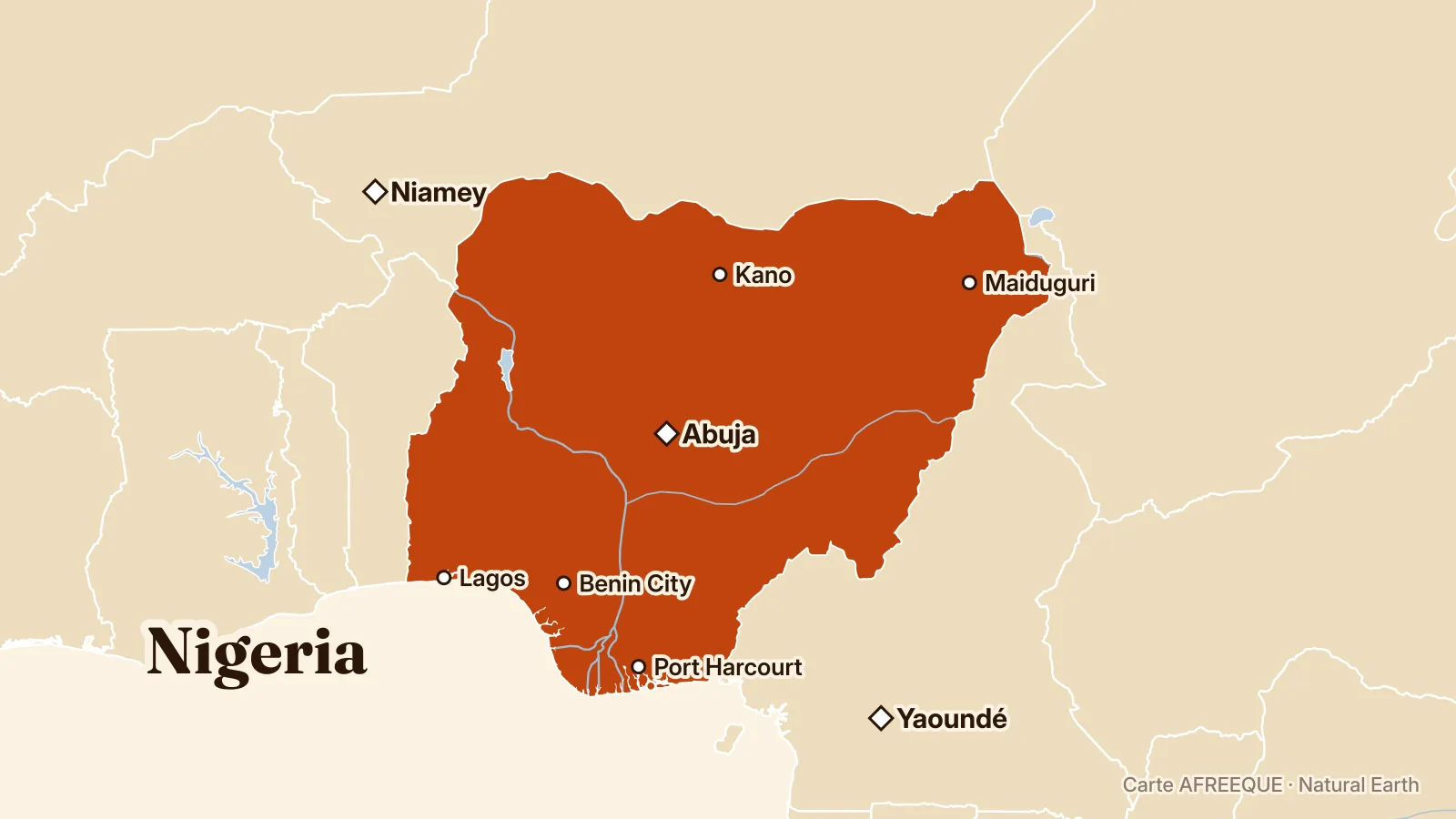
Nigeria has begun construction in Abuja of an electronic passport manufacturing centre valued at 70 million dollars. Scheduled to become operational in May 2027, it will produce six million booklets a year, with capacity to reach ten million, against national demand estimated at between 1.8 and 2 million. Interior Minister Olubunmi Tunji-Ojo also announced plans to export to African countries, particularly ECOWAS members, according to Premium Times.
Nigeria plans to produce six million electronic passports a year from May 2027, with the possibility of increasing capacity to ten million. Interior Minister Olubunmi Tunji-Ojo announced the start of construction of a manufacturing centre estimated to cost 70 million dollars at the headquarters of the Nigeria Immigration Service in Abuja, according to Premium Times.
The country’s annual demand is between 1.8 and 2 million booklets. The surplus production is intended to supply other ECOWAS member states and exports to other African markets, which are currently supplied notably by European and American manufacturers. The minister believes this capacity could make Nigeria a regional supplier of electronic travel documents.
The project is being carried out with Iris Smart Technologies under a private partnership that does not require direct funding from the federal government. The site will cover 1.1 hectares and have an independent power supply, including solar energy, as well as technologies based on artificial intelligence. President Bola Tinubu is to be invited to inaugurate the centre in May 2027.
The facility complements reforms undertaken in the passport issuance process. The centralised personalisation centre, completed in September 2025, had already benefited from an investment of more than five million dollars by Iris Smart Technologies. The Director General of the Immigration Service, Kemi Nandap, stressed that previous booklet shortages had complicated procedures for Nigerian students, families and travellers.