URGENT
🇳🇬 NigeriaBusiness

Naira falls to 1,468 per dollar on parallel market

By , based on Vanguard, Tribune Online and Punch
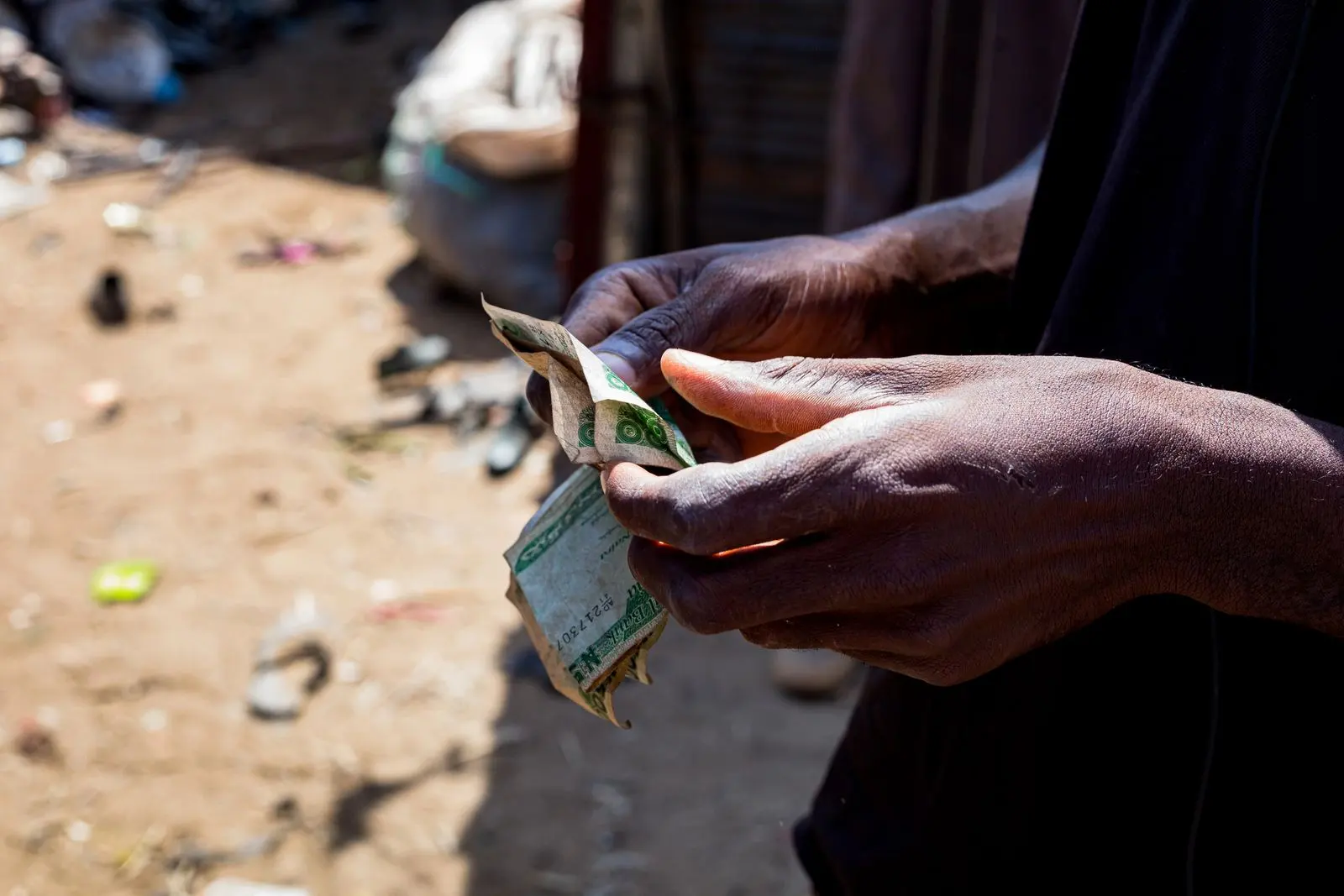
Naira falls to 1,468 per dollar on parallel marketIllustrative image · MUHAMMAD MUKTAR · Pexels · Licence Pexels

The Nigerian naira has depreciated to 1,468 per dollar on the parallel market and 1,388 on the official market, amid insufficient foreign currency supply and increased demand, according to Vanguard. Foreign exchange reserves have fallen to $54.713 billion, down $406 million in one month, while economic and political uncertainty is fuelling investor concerns.

On the official market, the naira lost 54.50 against the dollar between 19 October and 19 November, falling from 1,333.50 to 1,388, according to data from the Central Bank of Nigeria (CBN). Over the same period, the parallel market saw the dollar rise from 1,375 to 1,440 naira, according to figures reported by Punch. The country’s external reserves also fell from $55.119 billion to $54.713 billion between these two dates. However, the volume of interbank transactions on the official market increased by 59.13% to reach $800.3 million on Thursday.

CBN Governor Olayemi Cardoso announced in September that national reserves had exceeded $55 billion, their highest level in more than 18 years. He attributed this increase to the central bank’s management and remittances from the diaspora. He also defended foreign exchange market reforms, which have reduced gaps between the different exchange rates, and recalled that the former monetary subsidy system represented an estimated cost of 2.2% of GDP.

Economist Ike Ibeabuchi links the naira’s weakness to a decline in dollar inflows, particularly from exporters and investors, while demand related to imports and international payments remains high. He considers that the festive season is also contributing to this seasonal pressure.

Muda Yusuf, director-general of the Centre for the Promotion of Private Enterprise, points to other possible factors: political spending, capital outflows and uncertainty surrounding economic policy. He believes that statements by some political officials in favour of reinstating fuel subsidies could worry foreign investors and trigger capital withdrawals. However, he stresses that these hypotheses do not constitute established causes.
Share this article

Related stories

South African rand falls to 17.45 against the dollar

The South African rand fell to levels last seen in November 2025, under pressure from a stronger dollar, falling gold prices and political uncertainty, according to Business Day. Tensions over US interest rates and concerns about municipal and national coalitions are reinforcing investor caution.

🇿🇦 South Africa · Source: Business Day (South Africa) ·

Nigeria’s Dangote refinery expands share offer to $2.1 billion

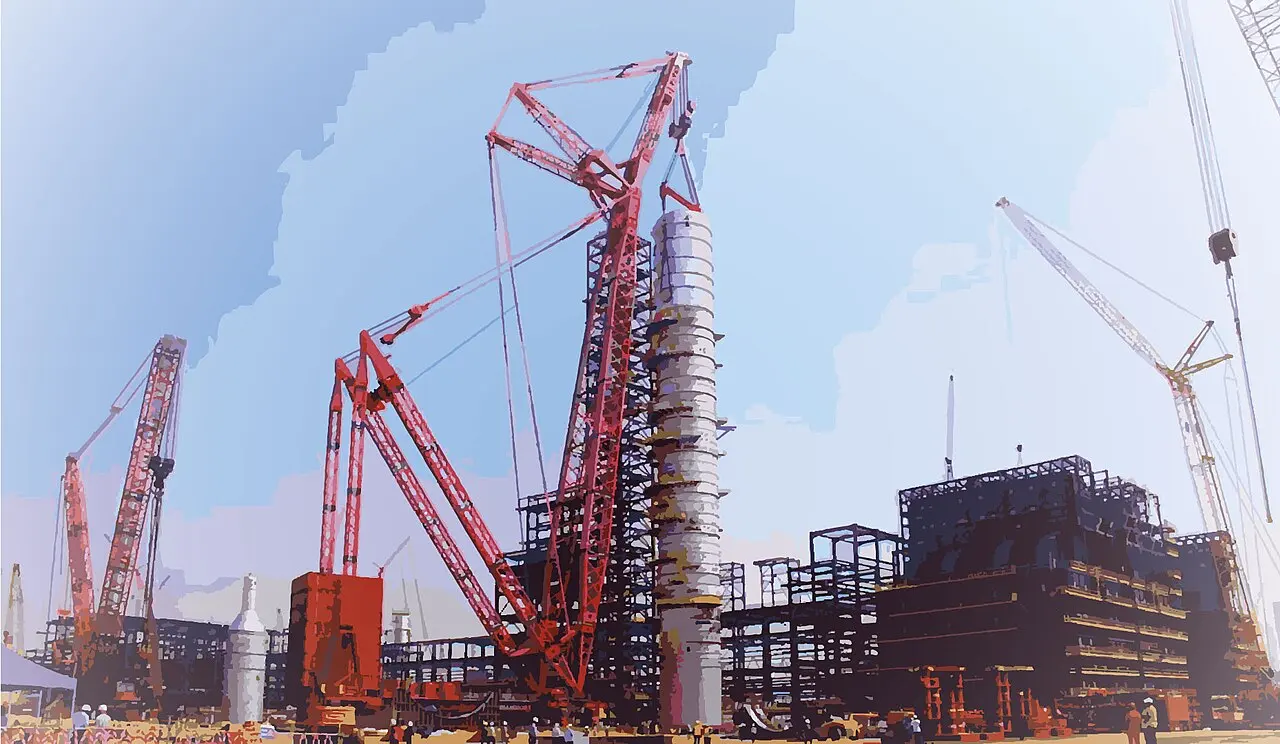
Nigeria’s Dangote refinery plans to increase its stock market listing from $1.62 billion to $2.1 billion, a 30% rise, after receiving subscriptions worth nearly $4.5 billion, according to ThisDay. Nigerian retail investors are expected to receive all the shares they requested, while foreign investors are likely to bear most of the reductions. African subscriptions were led notably by South Africa, Botswana and Kenya.

🇳🇬 Nigeria · Source: ThisDay ·

Nigerian stock market loses 642 billion naira in market value

The Nigerian Exchange’s (NGX) ASI index fell 0.40% to close at 248,329.65 points, wiping 642 billion naira off its market capitalisation. According to Leadership, the decline was driven by share price losses at Aradel Holdings, Zenith Bank and Champion Breweries, while the market remained almost evenly balanced.

🇳🇬 Nigeria · Source: Leadership ·

Nigeria’s Abia State proposes 1.2 trillion naira budget for 2027

Abia State Governor Alex Otti has submitted a 1.23 trillion naira budget proposal for 2027 to the state legislature, according to ThisDay. The plan allocates 960 billion naira to investment, representing 80% of expenditure, while 552.67 billion naira is expected to come from concessional loans earmarked for infrastructure. Education and health are due to receive 20% and 15% of the budget respectively.

🇳🇬 Nigeria · Source: ThisDay ·

🇳🇬 Latest from Nigeria

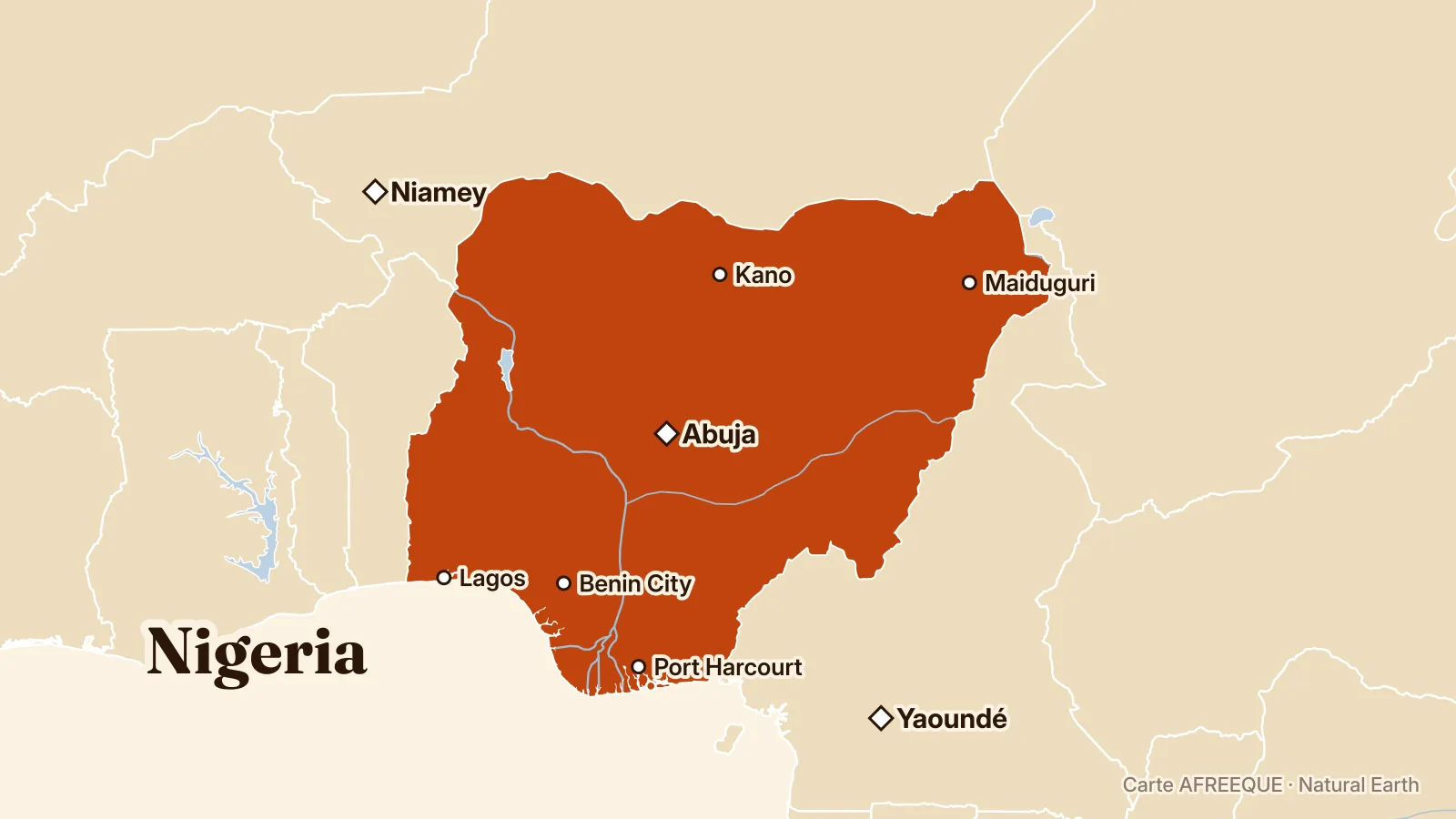
Map: NigeriaArmed attacks in Nigeria’s Plateau State kill 10Attacks on the communities of Bong and Doemak, in Nigeria’s Plateau State, have killed ten people and burned more than 15 houses, according to Bathrobas Dakagan of the Doemak Development Association. Worried residents are calling for a base of the Department of State Services (DSS) in Qua’an-Pan, as the attacks continue despite the curfew.All Nigeria news →

Business in West Africa

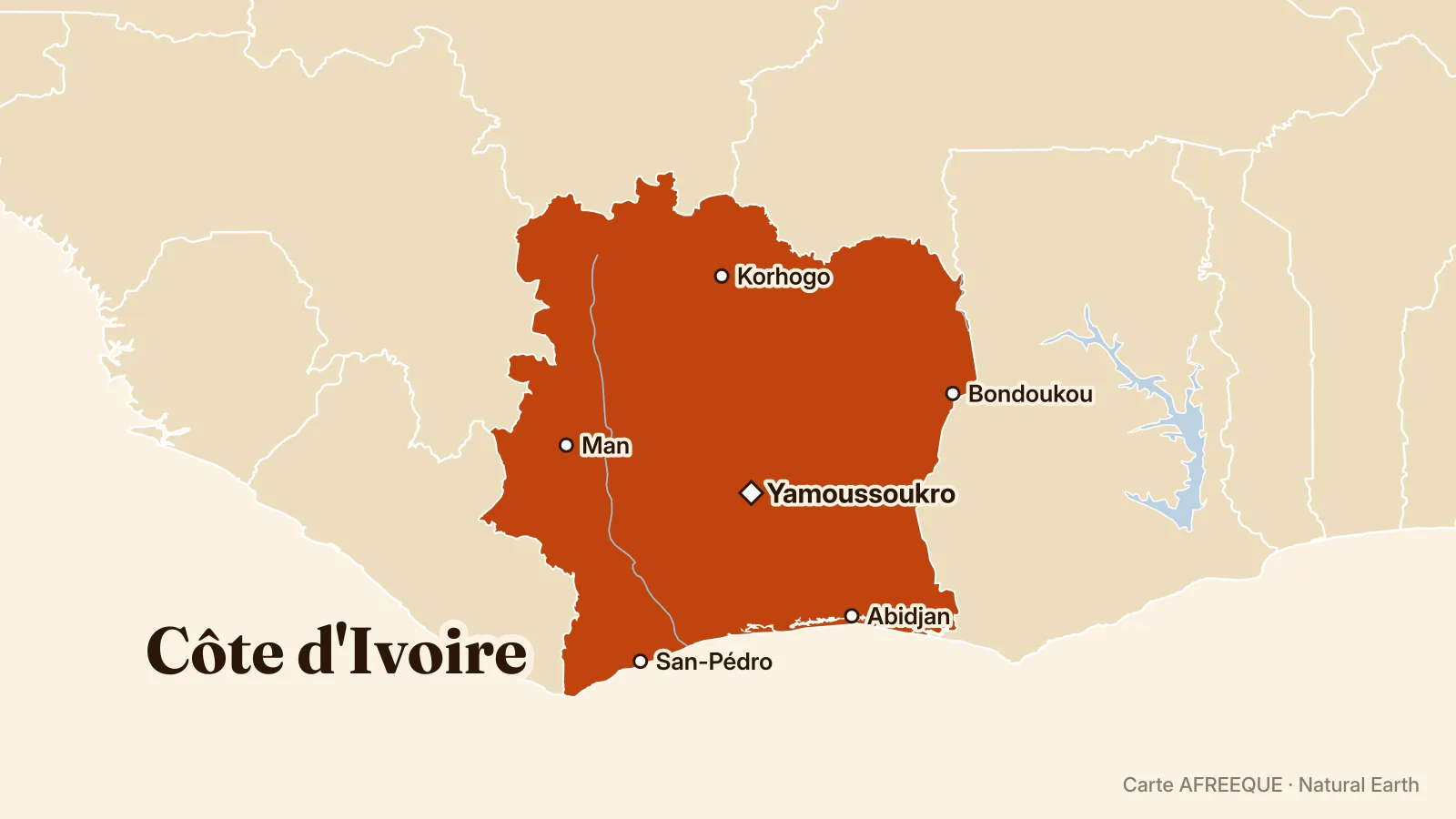
Map: Ivory Coast16 Ivorian private security officers trained in specialist techniquesSixteen officers from the Private Security Operational Tactical Group (GTOSP) completed a two-week seminar in Abidjan-Marcory on Sunday 15 November, organised by International Sport and Safety. The Tactical Safety International seminar enabled them to strengthen their theoretical and practical skills, according to L’Intelligent d’Abidjan.All Business news →

The week in Africa

This week’s highlights

  1. 14 African countries at high risk of debt distress, AfDB says🌍 World
  2. Africa rejects any renegotiation of Paris Agreement at COP31🌍 World
  3. Diomaye Faye enforces 2026 supplementary budget by decree🇸🇳 Senegal
  4. ANC could hand Johannesburg and Tshwane to South Africa’s ActionSA🇿🇦 South Africa
  5. Guinea to require local processing of its minerals🇬🇳 Guinea
All of this week’s highlights →

Africa in your inbox

Be the first to get our letter in English: the essentials from every region of the continent, free.

Free · one email a week · unsubscribe in one click. Your address is only used to send you the letter, never sold. Personal data

← Back to the news