Nearly 90 million displaced people face climate risks
By the AFREEQUE newsroom, based on Bizcommunity
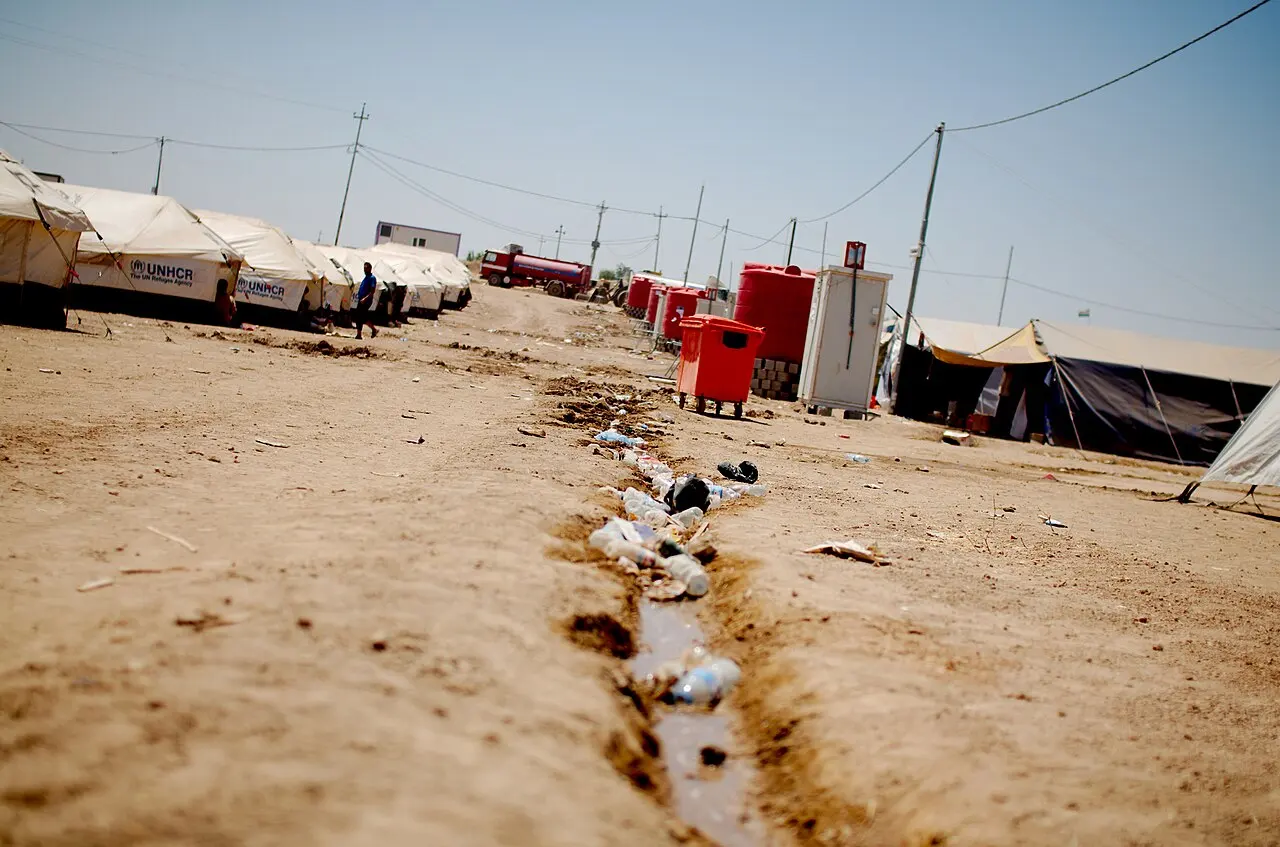
Nearly 90 million forcibly displaced people live in countries highly exposed to droughts, floods and extreme heat, according to the UNHCR. The report calls for increased adaptation funding ahead of COP31 in Antalya, Turkey, amid growing risks for vulnerable populations.
Nearly 90 million forcibly displaced people live in countries increasingly exposed to droughts, floods and extreme heatwaves linked to climate change, according to the United Nations High Commissioner for Refugees (UNHCR). In a report published on Friday 6 November, the agency estimates that nearly three-quarters of the world’s displaced people live in countries facing serious climate risks, notably Afghanistan and Bangladesh.
The UNHCR also highlights the difficulties faced by refugees attempting to return to their countries of origin. In the first half of 2026, more than two-thirds of refugee returns were to countries highly exposed to climate hazards. In Syria, where nearly four million displaced people have recently returned, water shortages and irregular rainfall are complicating their resettlement. Floods along the Euphrates in May also damaged homes and caused new displacement.
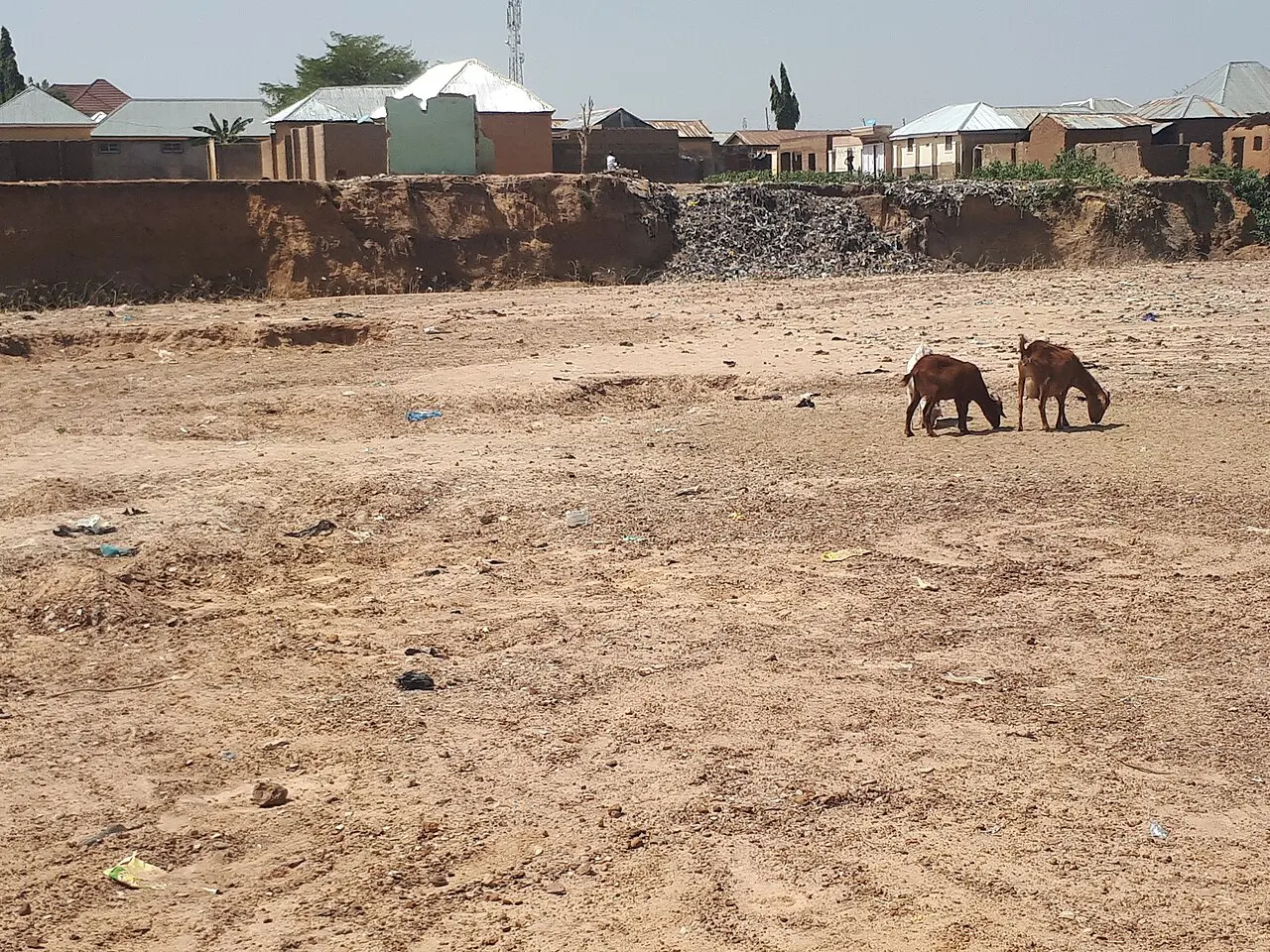
In sub-Saharan Africa, one in three refugee camps could experience at least 100 days of dangerous heat per year by 2050, according to UNHCR projections. In some camps in Ethiopia, notably Helaweyn, this period could exceed 200 days a year, with increased risks of heatstroke and premature deaths. The agency also cites the case of a Sudanese refugee who fled fighting in Al-Fashir in June 2023 to reach Farchana camp in eastern Chad. She reportedly sometimes has to go a week without finding drinking water and walk increasingly far to obtain it, because seasonal waterways are drying up.
UNHCR Assistant High Commissioner for Operations Anton Leis Garcia said climate adaptation in areas affected by conflict and forced displacement was a vital necessity. He called on donors to direct more climate funding towards the most vulnerable populations. The report was published ahead of COP31, the United Nations climate conference, being held in Antalya, Turkey.