Nasdaq falls 4% as AI stocks lead market sell-off
By the AFREEQUE newsroom, based on Business Day (South Africa)
The Nasdaq fell by around 4% on Wednesday on Wall Street, driven by a slump in artificial intelligence-related stocks and new US tariff proposals. According to Business Day, citing SWBC chief investment officer Chris Brigati, the lack of fundamental support leaves little chance of a rebound before the end of the year.
The Nasdaq fell by around 4% on Wednesday 25 November on Wall Street, amid heavy selling of technology stocks linked to artificial intelligence. Proposals for new US tariffs also weighed on markets, as investors questioned the profitability of the huge sums invested in AI, reports Business Day. The Dow Jones was down 602.93 points, or 1.21%, at 49,415.77 points before midday.
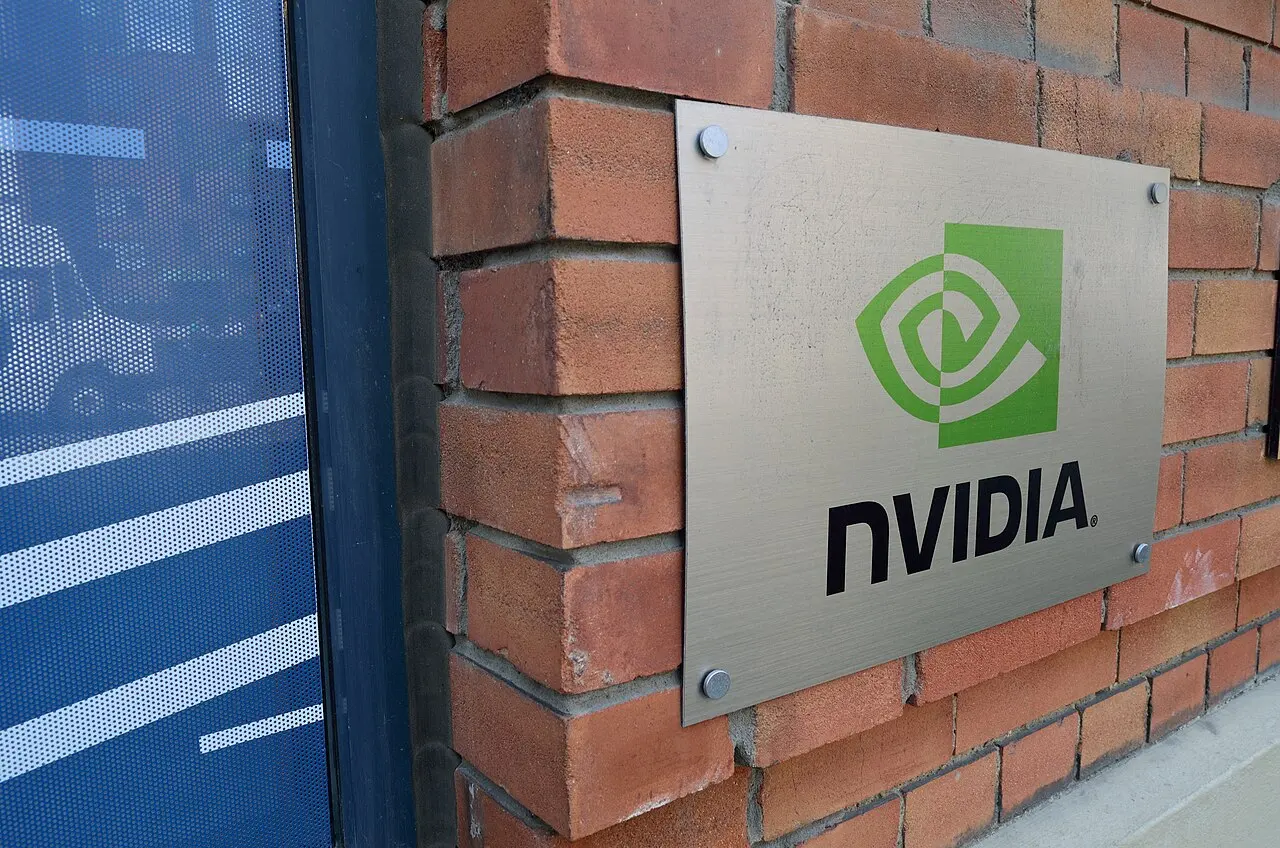
Semiconductor manufacturers recorded the biggest losses. Nvidia fell 8.7%, while the Philadelphia Semiconductor Index dropped 7.3%. Among major technology companies, Alphabet lost 5%, Amazon 5.4%, Microsoft 3% and Apple 1.7%. Artificial intelligence company Anthropic also fell 2.1%. Its shares had closed the previous session at 81.90 dollars, below their initial public offering price of 83 dollars, just days after its market debut. The Nasdaq 100 briefly reached a decline of 20% from its closing record, bringing it close to the technical definition of a bear market.
Concerns about corporate spending on AI added to uncertainty over the US economic outlook. Chris Brigati, chief investment officer at SWBC, believes that markets lack fundamental reasons to support a year-end rally. He particularly points out that massive investments in artificial intelligence infrastructure have yet to demonstrate their ability to generate the expected revenues and profits. Jensen Huang’s return to the helm of Nvidia had temporarily supported markets earlier in the week, without dispelling these concerns. The Nasdaq and S&P 500 therefore remained exposed to their worst November performance since 2008.
Washington’s trade proposals added to the pressure. The US administration is considering additional taxes targeting 14 trading partners, on the grounds of their excess industrial capacity. China would be the hardest hit, with an additional levy of 20%, which would come on top of the tariffs of around 25% introduced under Donald Trump’s first term. These measures are reigniting international trade tensions and complicating investors' expectations, as they already face the prospect of interest rates remaining high for longer.
US economic data also fuelled monetary concerns. US growth in the third quarter was revised upwards, while inflation increased in October. These developments strengthen expectations of another interest rate hike by the Federal Reserve in December and then in early 2027. Art Hogan, chief market strategist at B. Riley Wealth, believes that concerns about tariffs have taken precedence over economic indicators.