Mozambique and South Africa reopen Samora Machel crash inquiry
By the AFREEQUE newsroom, based on Jornal Tropical
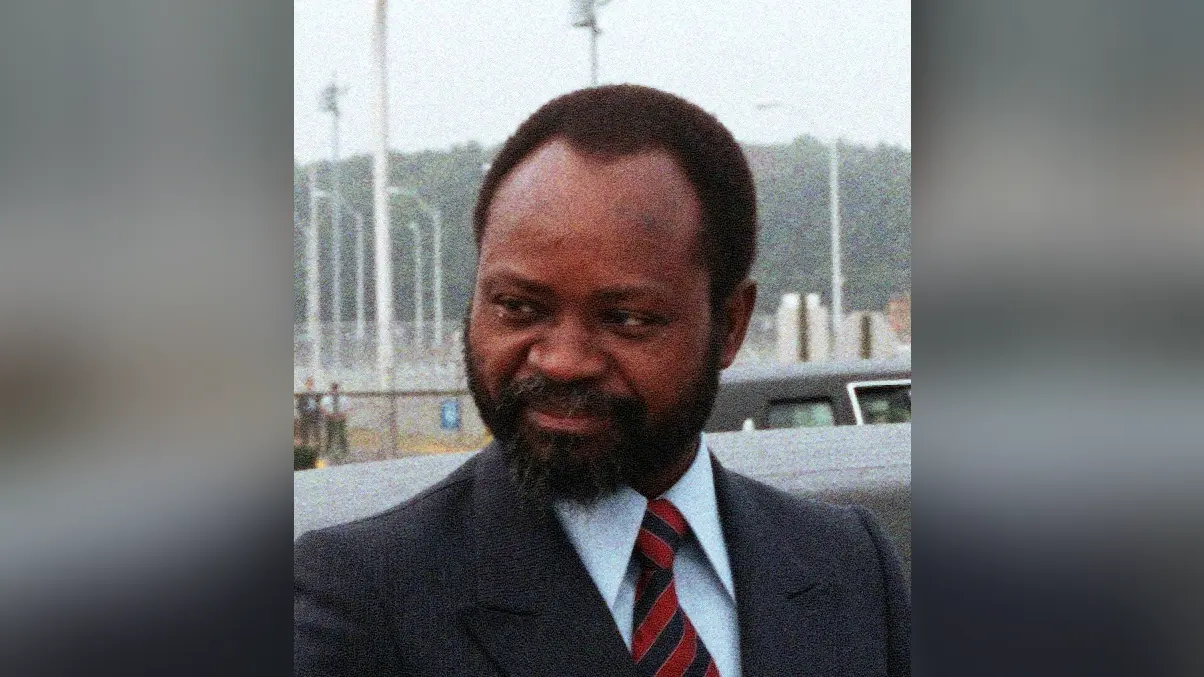
Mozambique and South Africa’s police forces have opened a new investigation into the aircraft crash that killed Mozambican President Samora Machel and 33 others in 1986. New documents, recordings and photographs are among the material being examined, according to the South African newspaper Times, cited by Lusa.
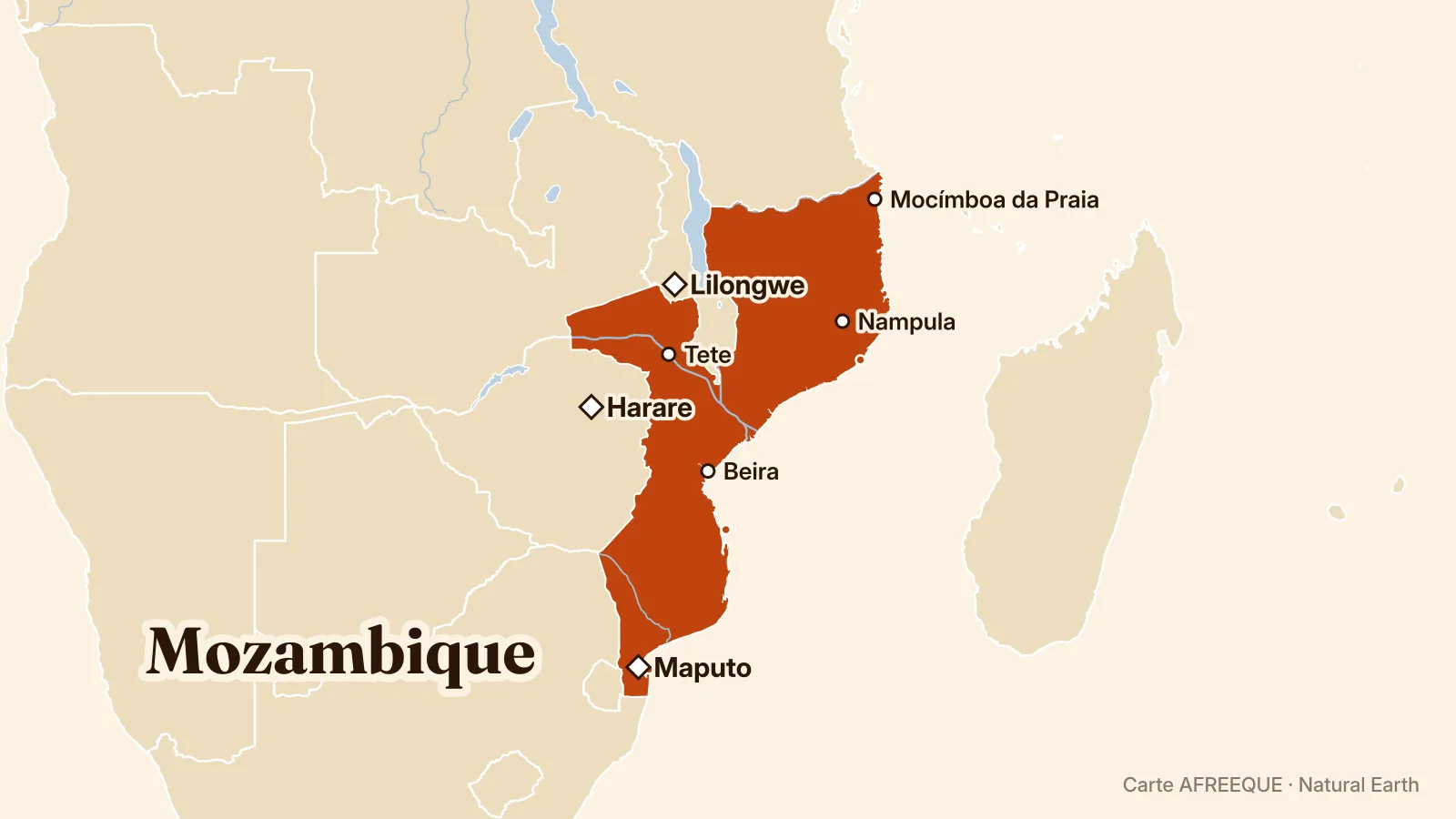
The police forces of Mozambique and South Africa have opened a new investigation into the crash of the aircraft carrying Samora Machel, Mozambique’s first president, in October 1986. The investigation follows the receipt in January of new information and previously unseen documents, the South African newspaper Times reports, citing a source in the Hawks, the police’s investigative unit, and a source in the South African presidency.
The documents reportedly revive the theory that the apartheid regime interfered with the flight path of the presidential aircraft, a Tupolev TU-134. False radio signals allegedly drew the aircraft towards the Lebombo Mountains, near the border at Mbuzini, where it crashed. The accident on 19 October 1986 killed 34 people and injured nine.
The investigation also involves South Africa’s National Prosecuting Authority and Civil Aviation Authority. Specialists have taken new aerial photographs of the site and collected satellite images and GPS readings. The material being examined reportedly includes documents, recordings of conversations and photographs, according to Times.
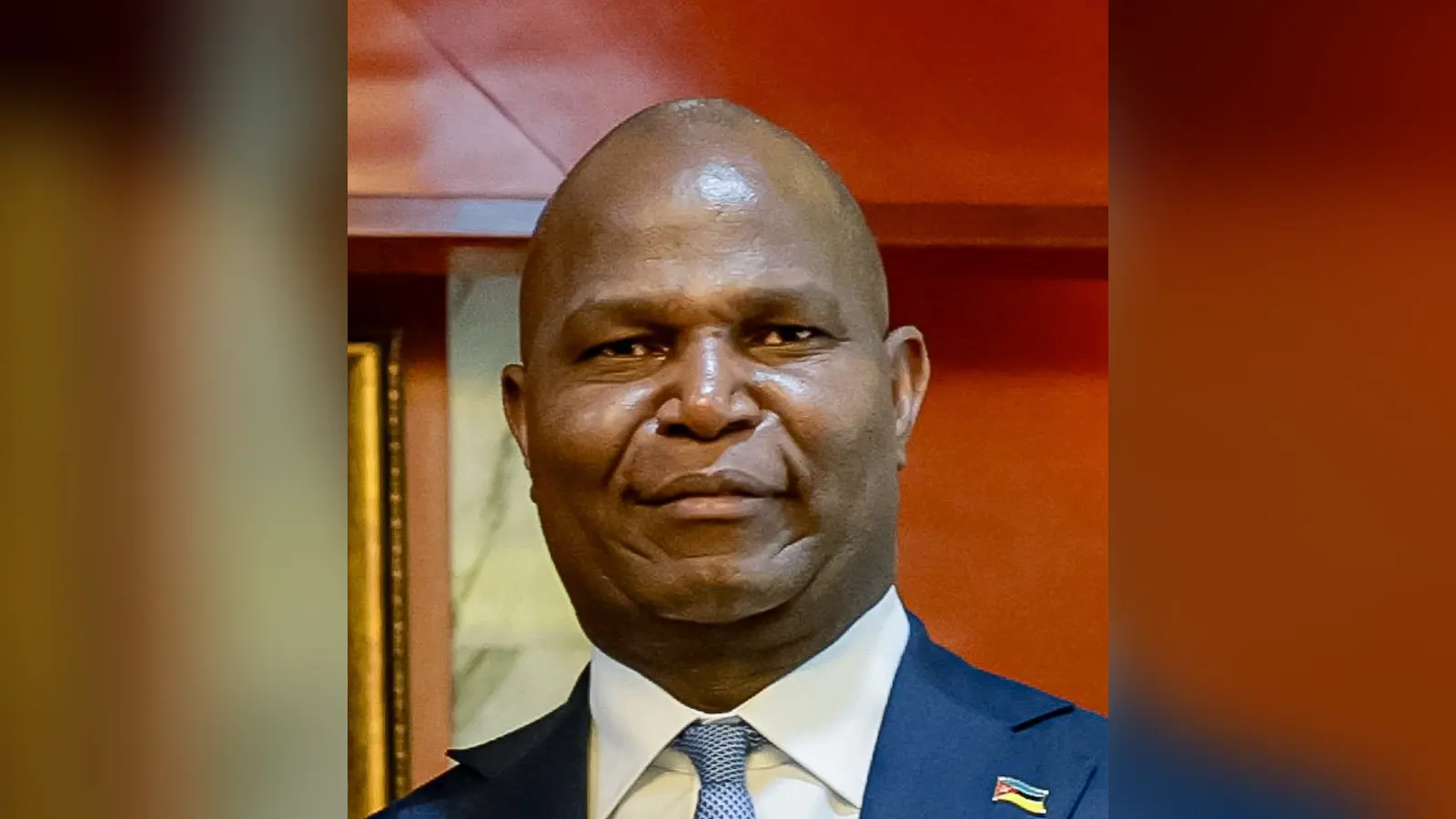
An official commission led after the crash by South African judge Cecil Margo concluded that there had been navigation and piloting errors, non-compliance with cockpit rules and communication problems with the control tower. The investigation notably found that the pilots had identified a deviation from the flight path but had not corrected their course. The new investigation comes after Daniel Chapo called for the truth about Samora Machel’s death on 19 October.
Summary produced with the help of artificial intelligence tools, under AFREEQUE’s editorial responsibility.