











Mining in Kigezi, Uganda: local officials demand better communication
By the AFREEQUE newsroom, based on Daily Monitor
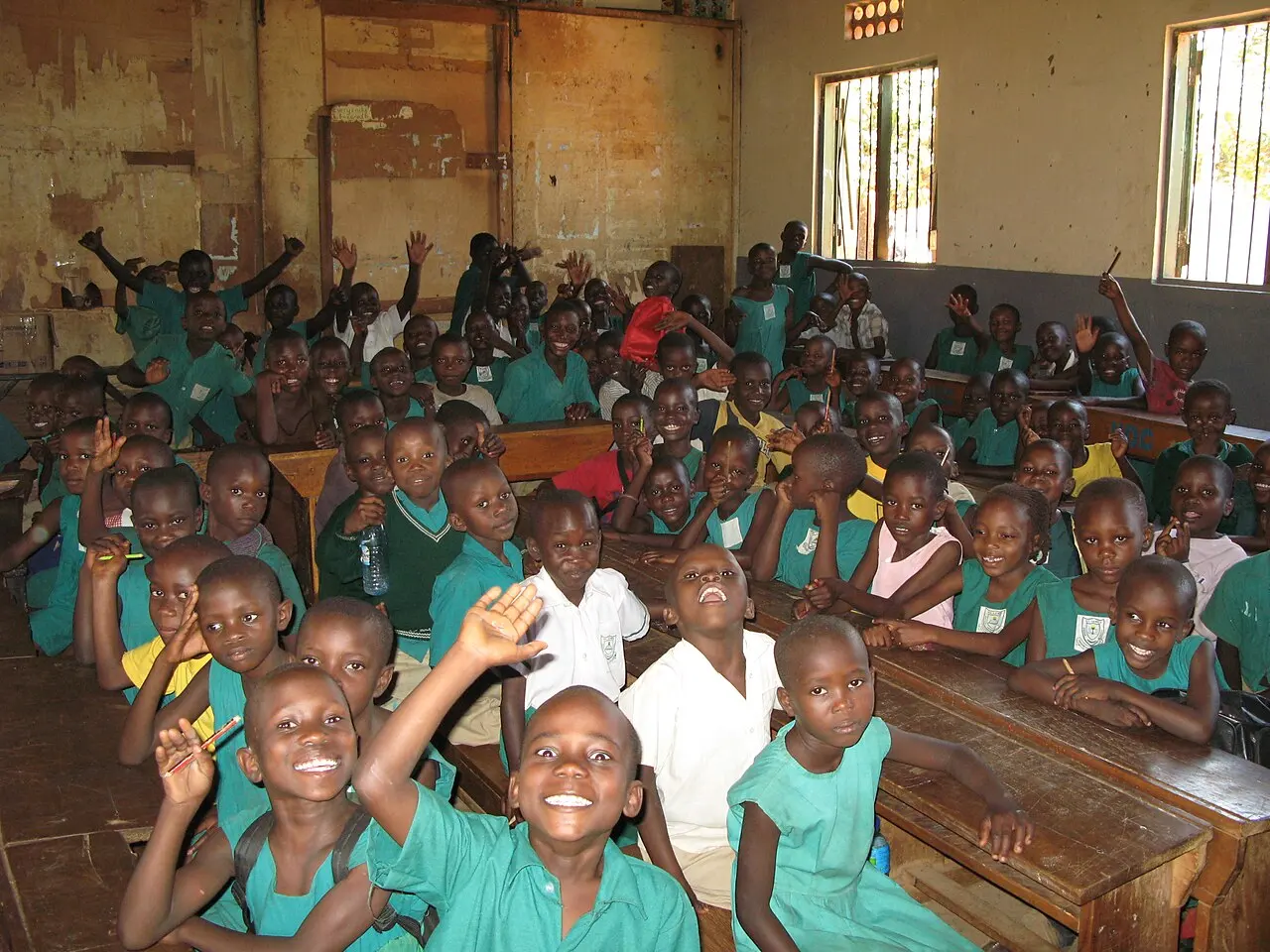
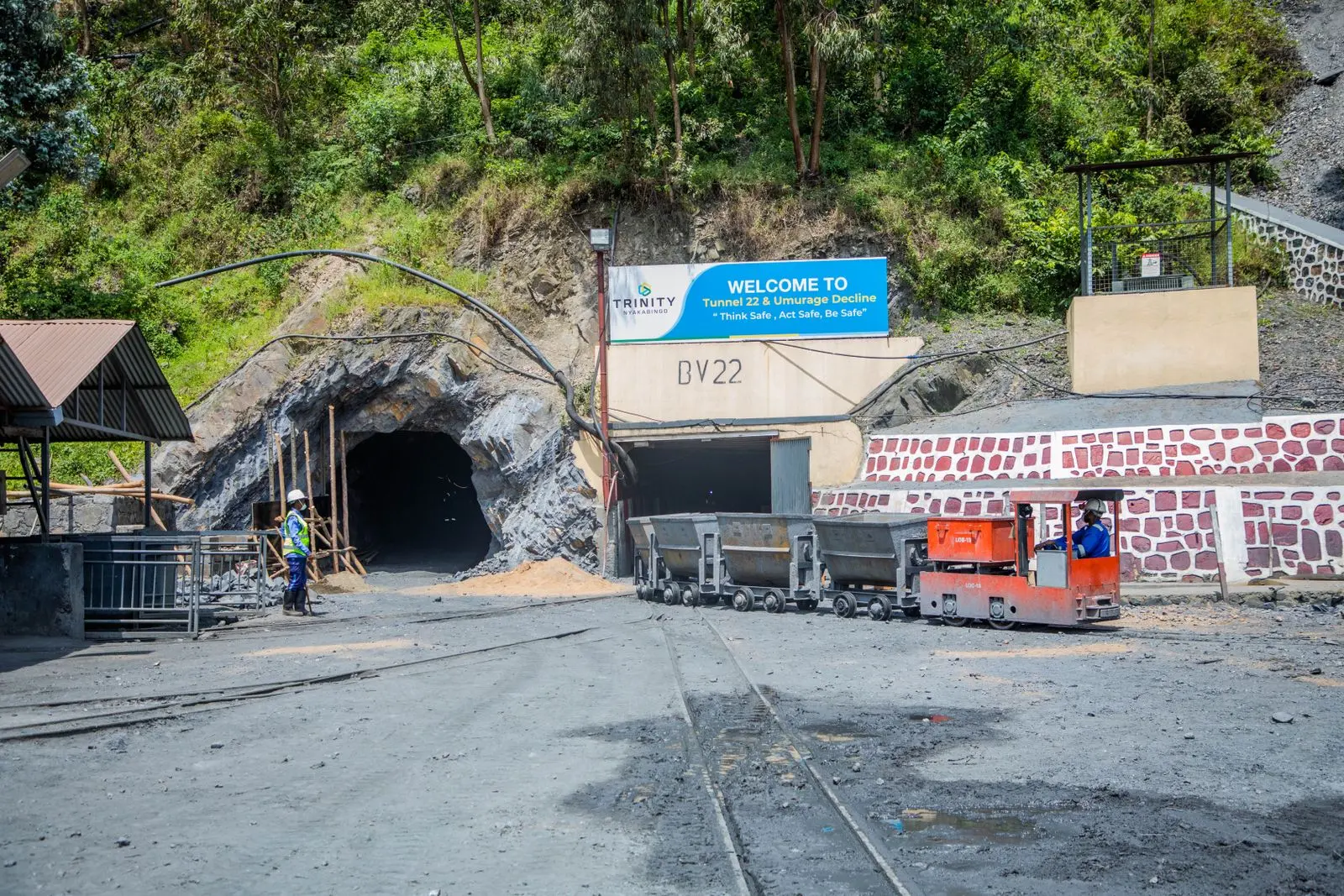 Illustrative image · Safi Erneste · Pexels · Licence Pexels
During a workshop on mining laws held in Kabale, local officials from Kigezi call on the Ministry of Energy and Mineral Development to bridge the communication gap with the districts. State Minister for Mining Phiona Nyamutoro recalls that citizens own the land but minerals belong to the State, according to Daily Monitor.
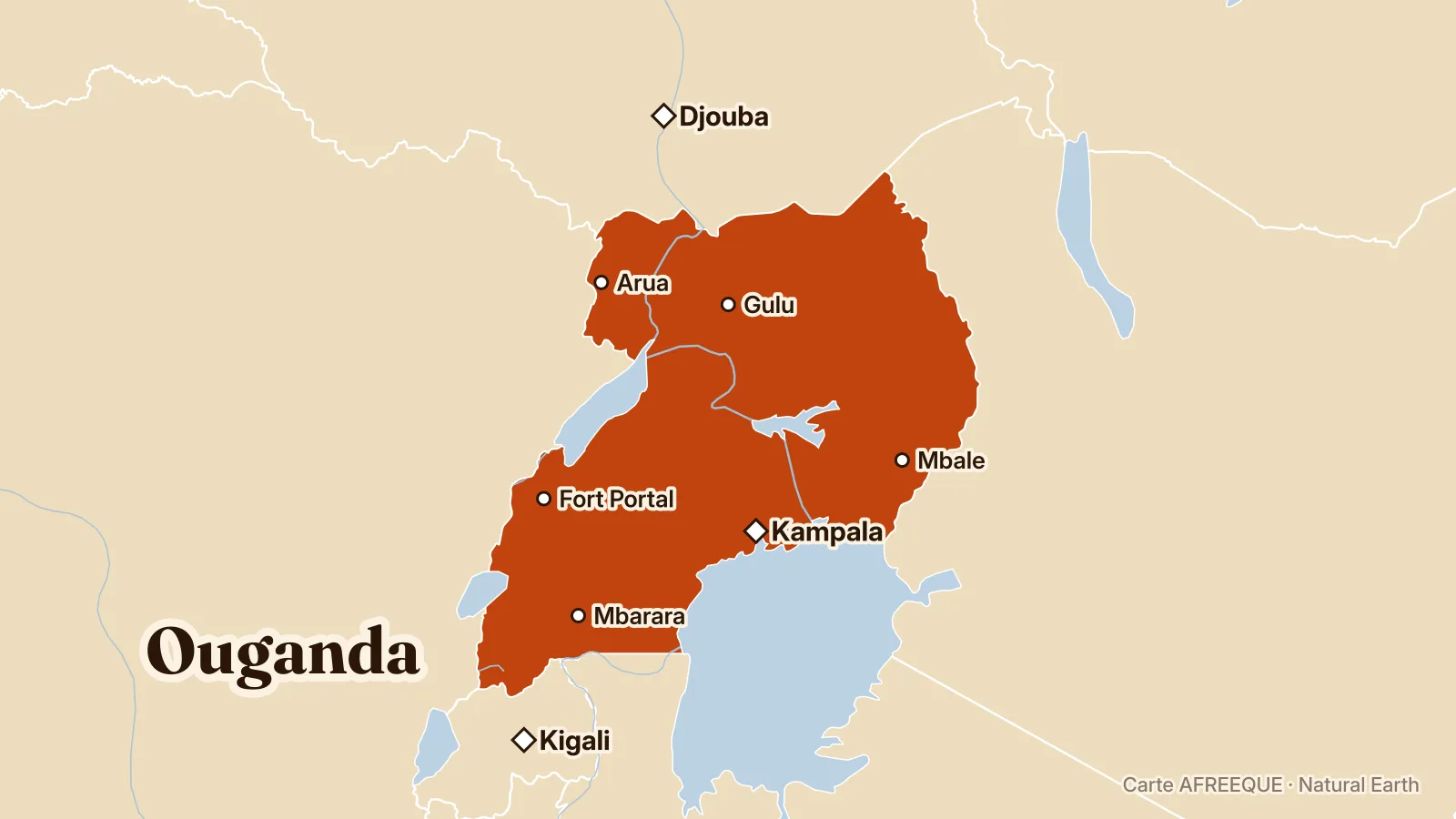
Local leaders in the Kigezi sub-region, in south-western Uganda, are calling on the Ministry of Energy and Mineral Development to bridge the communication gap with district authorities. At a one-day workshop on mining awareness held on Tuesday in Kabale, they claim that mineral traders exploit this gap to marginalise local leaders, presenting themselves as accountable to the ministry rather than to the district.
Zadok Kamusiime, the resident district commissioner of Rukiga, says this lack of coordination leaves district officials without the means to deal with investors. He also asks why only Rwandans work in mining in Butanda sub-county, in Kabale district, when Ugandans could do the same work.
In Kanungu, the chairperson of the district council (LCV), Francis Byamukama, reports illegal gold mining that continues despite a government ban: five pits are still active and two people have lost their lives. He asks when the State will lift the ban, and why royalties on gold were abolished while food traders still pay taxes.
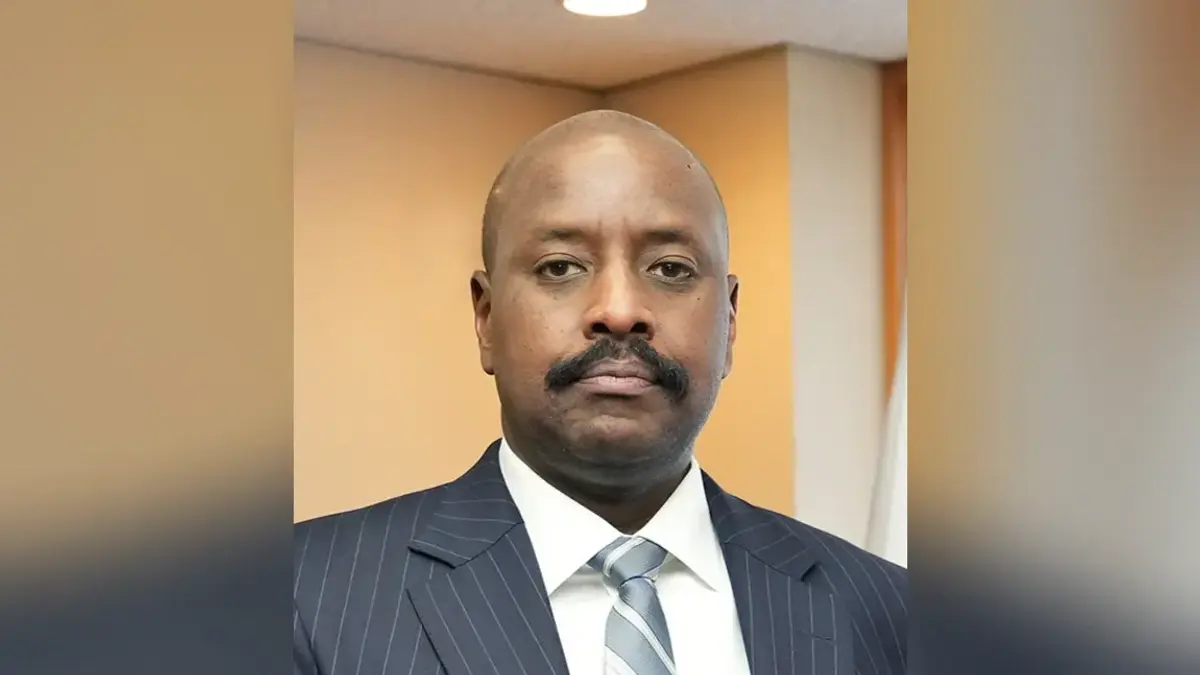
Phiona Nyamutoro, State Minister for Mineral Development, spoke to journalists in Kabale. She explains that misunderstandings often arise around land ownership and mining rights: citizens own their land, but all minerals remain the property of the State.