Mali proposes 2027-2036 decade-long education programme
By the AFREEQUE newsroom, based on Mali Actu
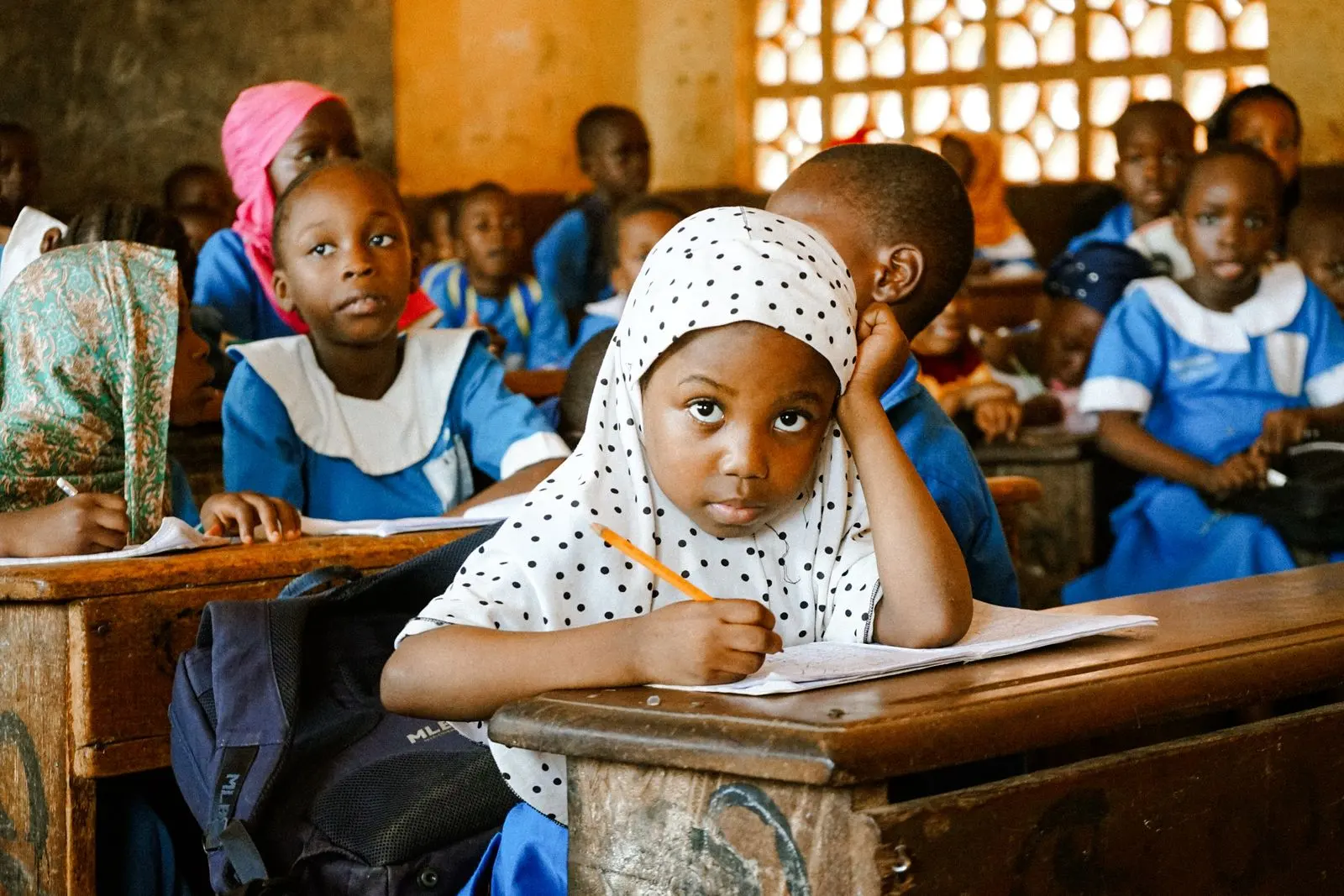 Illustrative image · Şeyhmus Kino · Pexels · Licence Pexels
The Bamako Forum proposes an Integrated Decade-long Programme to Reform Mali’s education system, coordinating education, vocational training, higher education and research from 2027 to 2036. The government is urged to begin drafting it within three months and adopt it within 12 months, according to the Bamako Forum’s conclusions.
The Bamako Forum proposes that Mali develop an Integrated Decade-long Programme to reform the education system for the 2027-2036 period. The conclusions of the Forum’s 26th edition, held from 5 to 7 November 2026 in Bamako, present this period as indicative, subject to the authorities’ decision, Mali Actu reports.
The programme would cover education, vocational training, higher education and research. It would notably aim to improve the quality of learning and align training more closely with the needs of the economy, in line with Mali Vision 2063 and the National Strategy for Emergence and Sustainable Development 2024-2033, according to Mali Actu.
The recommendations call on the Malian government to begin drafting the programme within three months of the Forum’s conclusion and recommend its adoption within a maximum of 12 months. Six areas are proposed: governance and strategic planning, access and equity, quality of teaching and links between educational pathways, adapting training to economic needs, research and digital technology, as well as funding and accountability of stakeholders.
The Forum also recommends a National Learning and Qualification Programme for All, combining functional literacy, catch-up education, school reintegration, vocational training, apprenticeships and recognition of prior learning. The recommendations notably target rural, isolated or insecurity-affected areas, as well as girls, young mothers, displaced people and people with disabilities, Mali Actu reports.
In terms of teaching, the conclusions propose the gradual construction of a common national foundation of knowledge, skills and values including basic learning, national languages, history, citizenship, scientific culture and digital technology. They also recommend pathways between mainstream schools, medersas and Franco-Arabic schools, according to Mali Actu.