Jensen Huang’s return reignites debate on sexism
By the AFREEQUE newsroom, based on L’essentiel, IOL and Punch
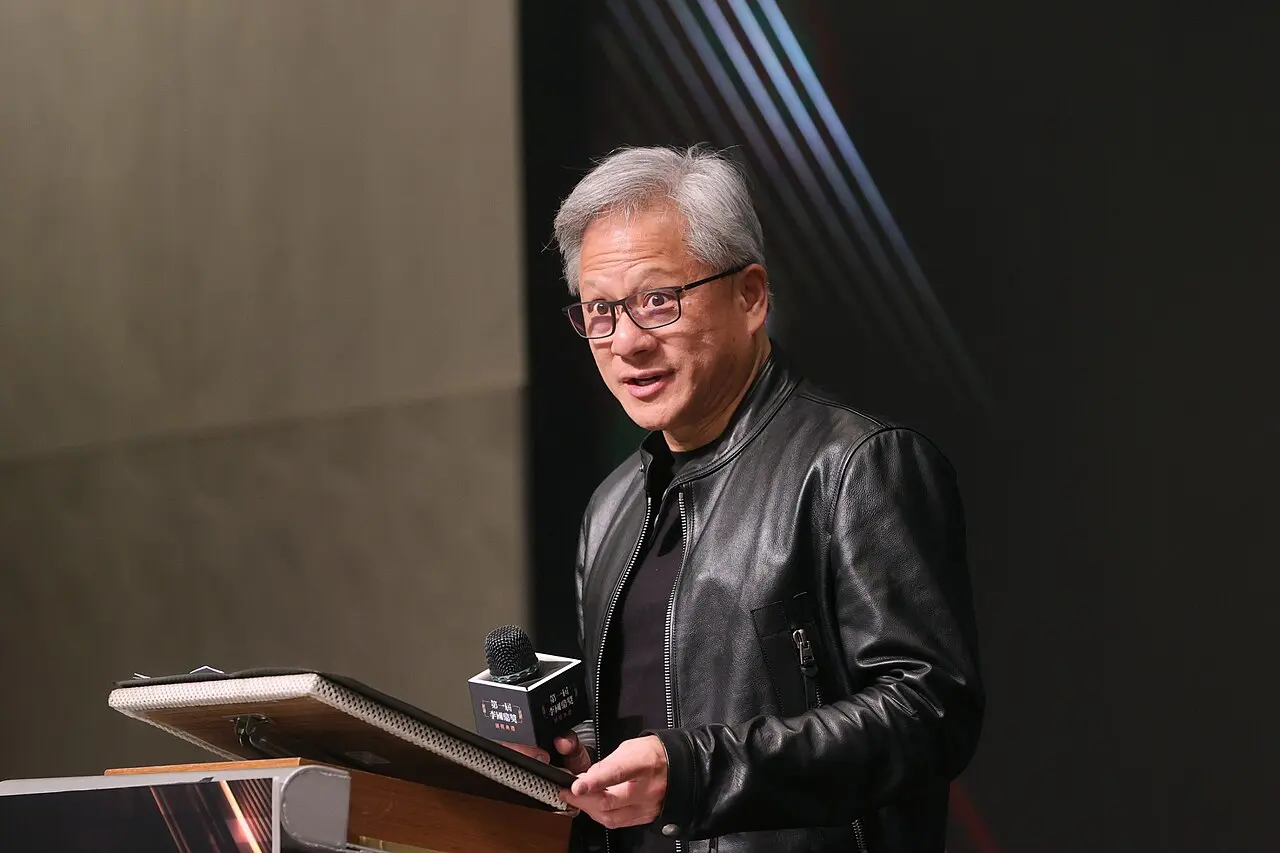
Jensen Huang’s return as chief executive of Nvidia has revived criticism of sexism, double standards and the responsibility of influential men in technology. The mobilisation of Donald Trump, Elon Musk and other Silicon Valley figures in support of the co-founder has also reignited debate over women’s place in leadership roles, IOL reports.
Jensen Huang stepped down as head of Nvidia on 12 November, following accusations of extramarital relationships, including with an employee of the group and a woman whom US authorities suspected of having links to Chinese intelligence services. Board chair Harvey Jones announced on 17 November that the company did not plan to reinstate him in his role. Donald Trump then intervened to back his return, telling CNBC: ‘I made the deal.’
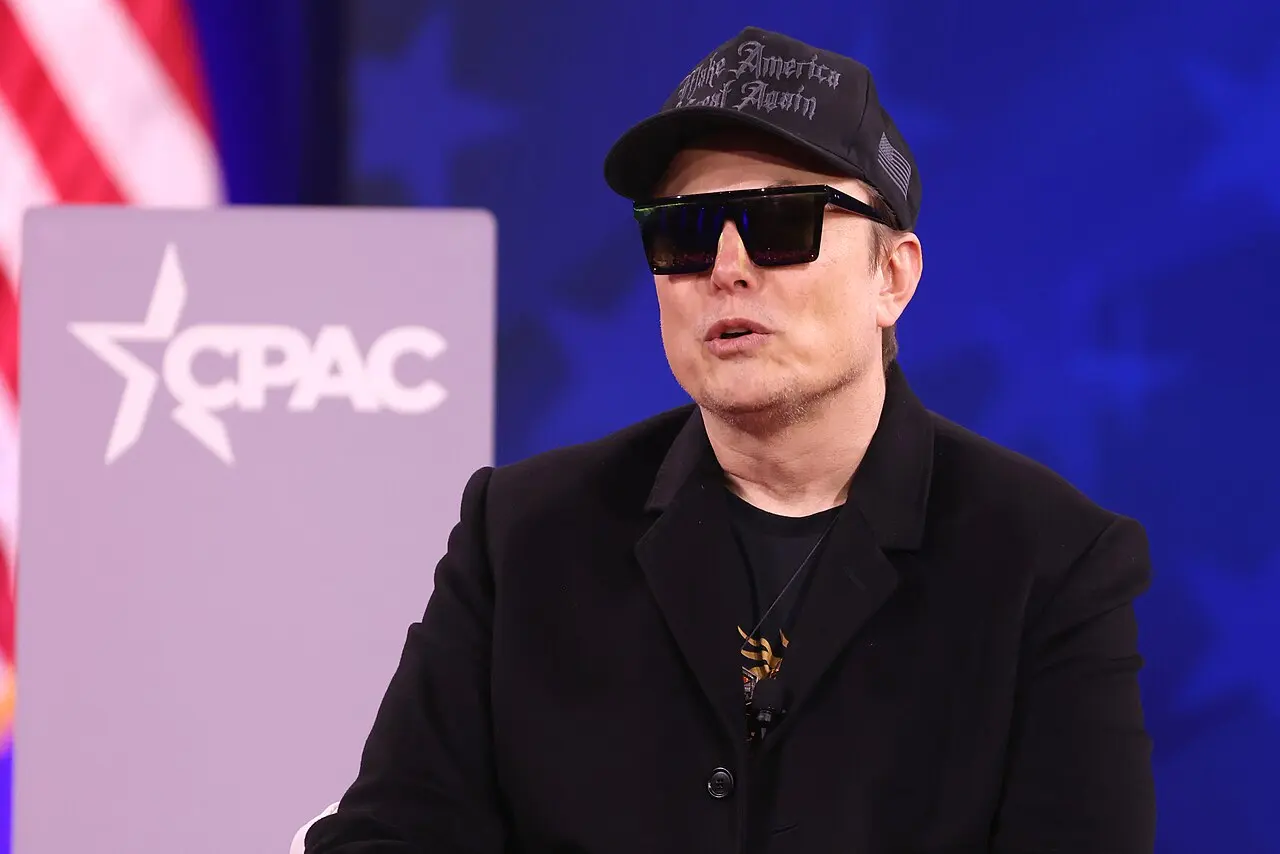
The campaign in Huang’s favour drew in Elon Musk, who signed a petition calling for his reinstatement. Investor Jason Calacanis presented him as a hero, arguing that US competition with China in artificial intelligence should take precedence over the allegations. This defence of founders also draws on the ‘founder mode’ doctrine, which favours their direct involvement in running companies. Sarah Kunst, head of Cleo Capital, believes that elevating certain male figures in this way helps shield them from demands for accountability.
During Huang’s absence, Colette Kress, Nvidia’s chief financial officer, had been named acting chief executive. This situation illustrates the ‘glass cliff’ phenomenon, theorised by Michelle Ryan, professor at the Australian National University: women are appointed to leadership roles when companies are going through crises, under conditions that increase their risk of failure and the criticism directed at them. Ryan also stresses the particular pressure that accompanies these appointments. Laura Kray, professor at Berkeley, notes that the legitimacy of an interim leader is a major issue.
On 17 November, when presenting quarterly results, Kress had assured investors of the strength of the group’s operations. Nvidia had recorded particularly strong performance, but its share price fell by almost 3% the following day. The stock had already lost more than a quarter of its value since the first revelations at the end of October. Huang’s return thus ended Kress’s interim tenure prematurely.