Top stories

In Eswatini, rate cuts may not reduce loan costs

By , based on Times of Eswatini

In Eswatini, rate cuts may not reduce loan costs

An International Monetary Fund study finds that cuts to policy rates in Eswatini may not reduce borrowing costs, as banks could increase their margins to protect profitability. The report links this risk to the banking sector’s integration with South African markets and to interest rate movements, according to the IMF.

Cuts to Eswatini’s policy rate may not result in cheaper loans, as commercial banks could increase their margins on new lending. That is the conclusion of an International Monetary Fund (IMF) study on the transmission of monetary policy through the kingdom’s banking sector.

The study finds that a widening negative gap between the Central Bank of Eswatini’s policy rate and the South African Reserve Bank’s rate is associated over time with higher lending rates. Banks may raise their margins to protect income and returns from risks linked to this divergence, which can limit the impact of rate cuts on borrowing, investment and economic activity.

Most loans in Eswatini have variable rates and track the prime lending rate, set at 3.5 percentage points above the policy rate. This arrangement has been in place since September 2003. Policy rate cuts therefore affect the cost of existing variable-rate loans relatively quickly, while banks retain the option of adjusting the margin on new loans according to borrower risk, funding costs and market conditions.

The study, titled “Monetary Policy Transmission Through Banking: Evidence from Eswatini”, was prepared by IMF economist Yumeng Gu. It attributes these mechanisms in part to the integration of Eswatini’s banking sector with South African financial markets. The publication follows an IMF warning about the cost of an EEC bailout in Eswatini, published on 7 October 2026.

Summary produced with the help of artificial intelligence tools, under AFREEQUE’s editorial responsibility.


Share this article

Related stories

Eswatini private sector credit falls 1.4% in August 2026

Credit to Eswatini’s private sector fell by 1.4% in August 2026 to 23.5 billion emalangeni, driven by a 4.8% decline in loans to businesses. It nevertheless remained 10.5% above its August 2025 level, according to the Central Bank of Eswatini.

🇸🇿 Eswatini · Source: Times of Eswatini ·

Senegal’s Agricultural Bank receives first climate funding disbursement

La Banque agricole du Sénégal has received its first disbursement from the Green Climate Fund to fund agricultural practices adapted to climate change. The project combines a credit line with a technical assistance grant, according to a statement from the Senegalese bank.

🇸🇳 Senegal · Source: APS ·

Eswatini youth fund seeks to strengthen local manufacturing

Eswatini’s youth revolving fund is calling for loans to be linked to the creation of manufacturing businesses capable of reducing imports. Its director, Mandla Nkambule, presented the approach to the Senate Finance Committee in Ezulwini, advocating better support for urban and rural entrepreneurs.

🇸🇿 Eswatini · Source: Times of Eswatini ·

Gaps threaten pensions managed by Fairlife in Eswatini

Eswatini’s financial regulator has identified serious shortcomings in the management of the Fairlife Beneficiary Fund, which administers 20 pension funds and related schemes. Its 80% funding ratio, lack of monthly bank reconciliations and absence of a recovery plan are weakening benefits for thousands of beneficiaries, according to the regulator’s investigation submitted to a court file.

🇸🇿 Eswatini · Source: Times of Eswatini ·

🇸🇿 Latest from Eswatini

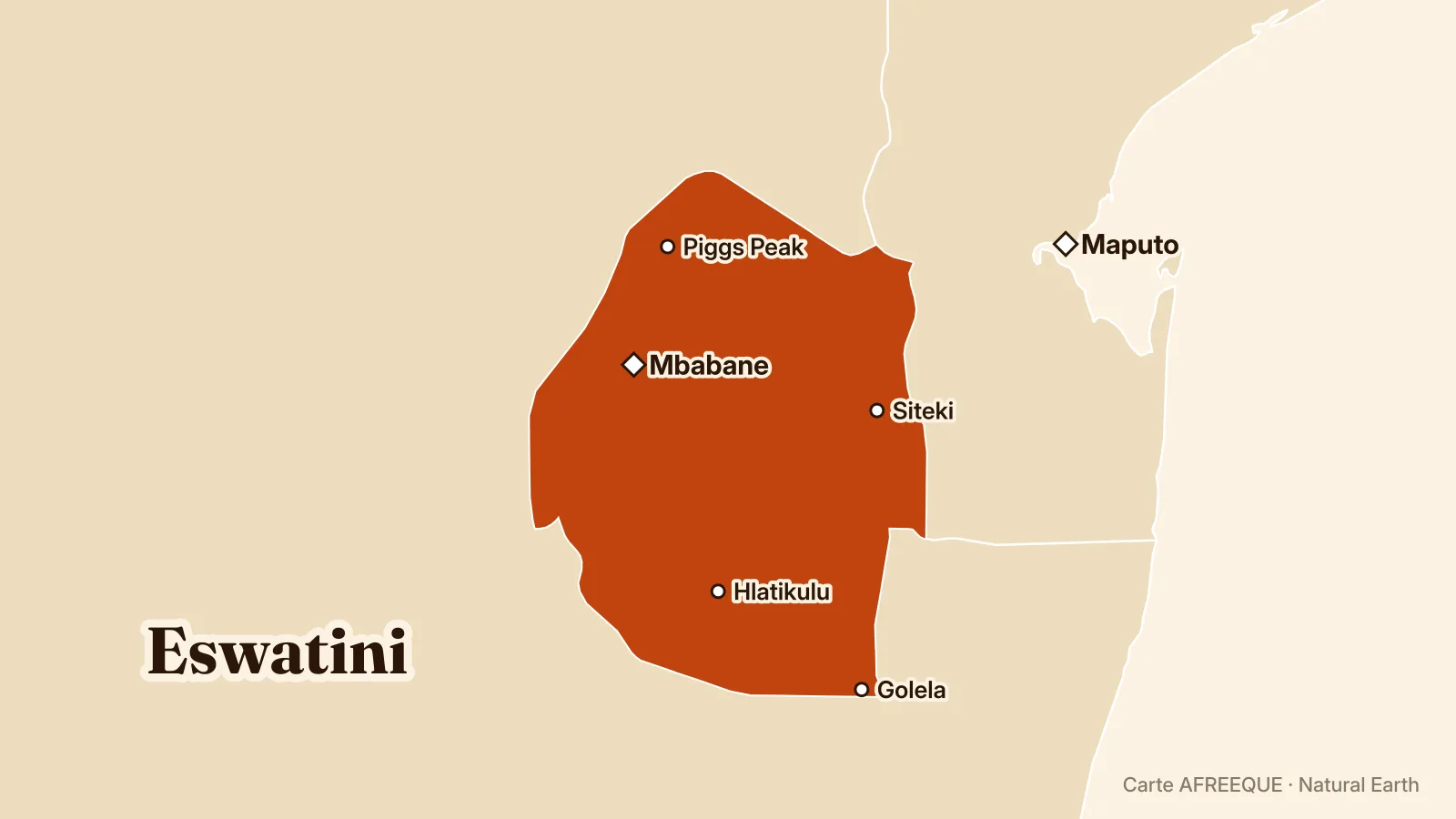
Map: EswatiniEswatini: Walter Bennett offers Senate evidence of telecommunications corruptionBusinessman and former senator Walter Bennett says he has information about alleged corruption at Eswatini’s Ministry of Information, Communications and Technology. At a hearing on three finance bills, he said he was ready to present it to the Senate if assurances were given about its examination and handling, the Times of Eswatini reports.All Eswatini news →

Business in Southern Africa

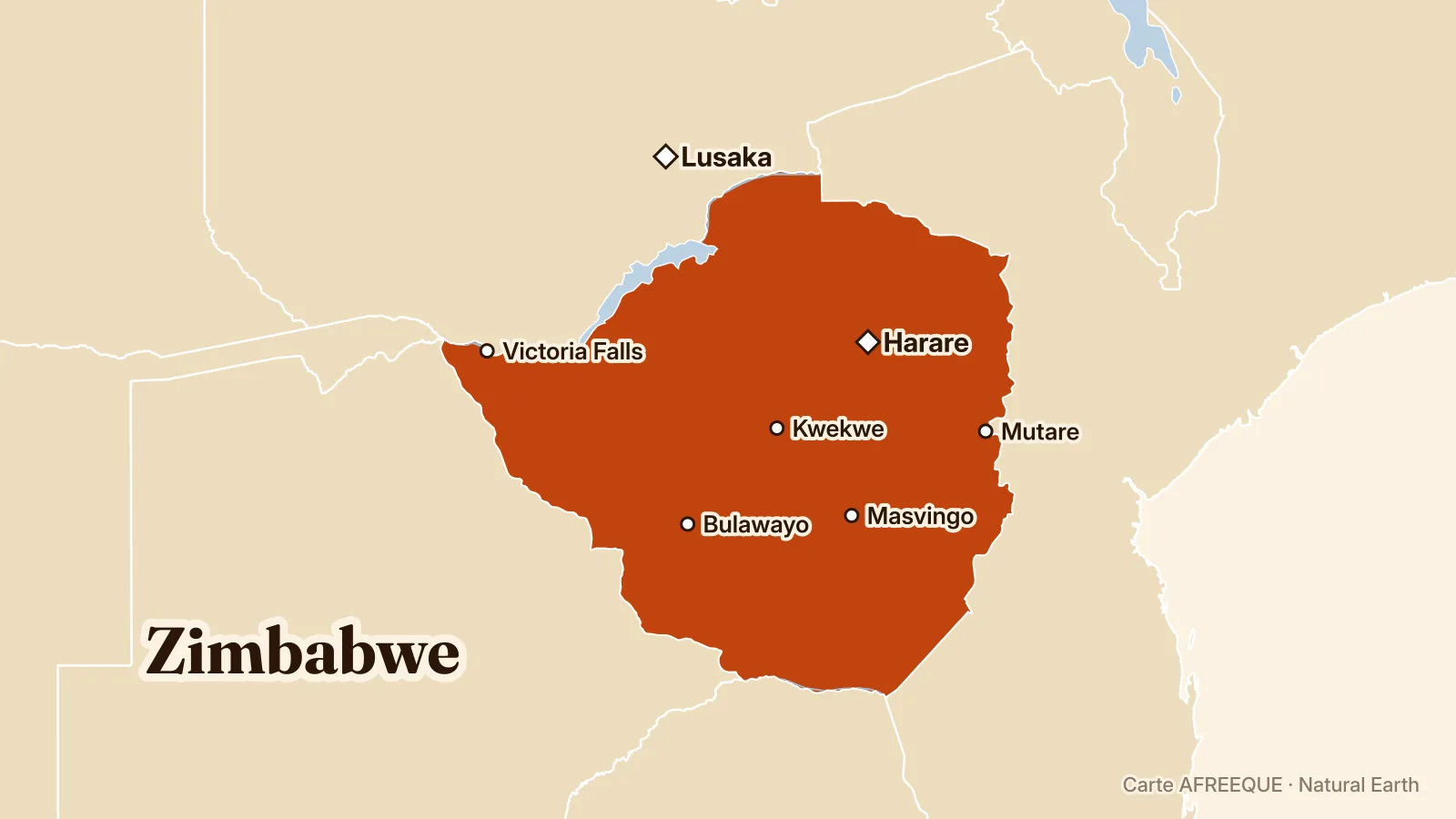
Map: ZimbabweZimbabwe strengthens grain reserves ahead of super El NiñoThe Zimbabwean government is strengthening its strategic grain reserves and expanding irrigation to limit the effects of a particularly intense El Niño episode that has been forecast. Acting Information Minister Paul Mavima presented the measures after a Cabinet meeting in Harare, according to Dailynews.All Business news →

The week in Africa

This week’s highlights

  1. Ebola in Nigeria: 44 contacts of patient identified🇳🇬 Nigeria
  2. AES and ECOWAS resume official dialogue in Dakar🇸🇳 Senegal
  3. Kenya: Paul Mackenzie and 28 co-defendants found guilty of 191 murders🇰🇪 Kenya
  4. Godongwana to address concerns over municipal funding, Ramaphosa says🇿🇦 South Africa
  5. Abiy Ahmed threatens Eritrea with ‘very serious’ consequences🇪🇹 Ethiopia
All of this week’s highlights →

Africa in your inbox

Be the first to get our letter in English: the essentials from every region of the continent, free.

← Back to the news