IMF demands budget framework from Senegal before $2.2 billion loan
By the AFREEQUE newsroom, based on Sowetan, Dakaractu and RFI
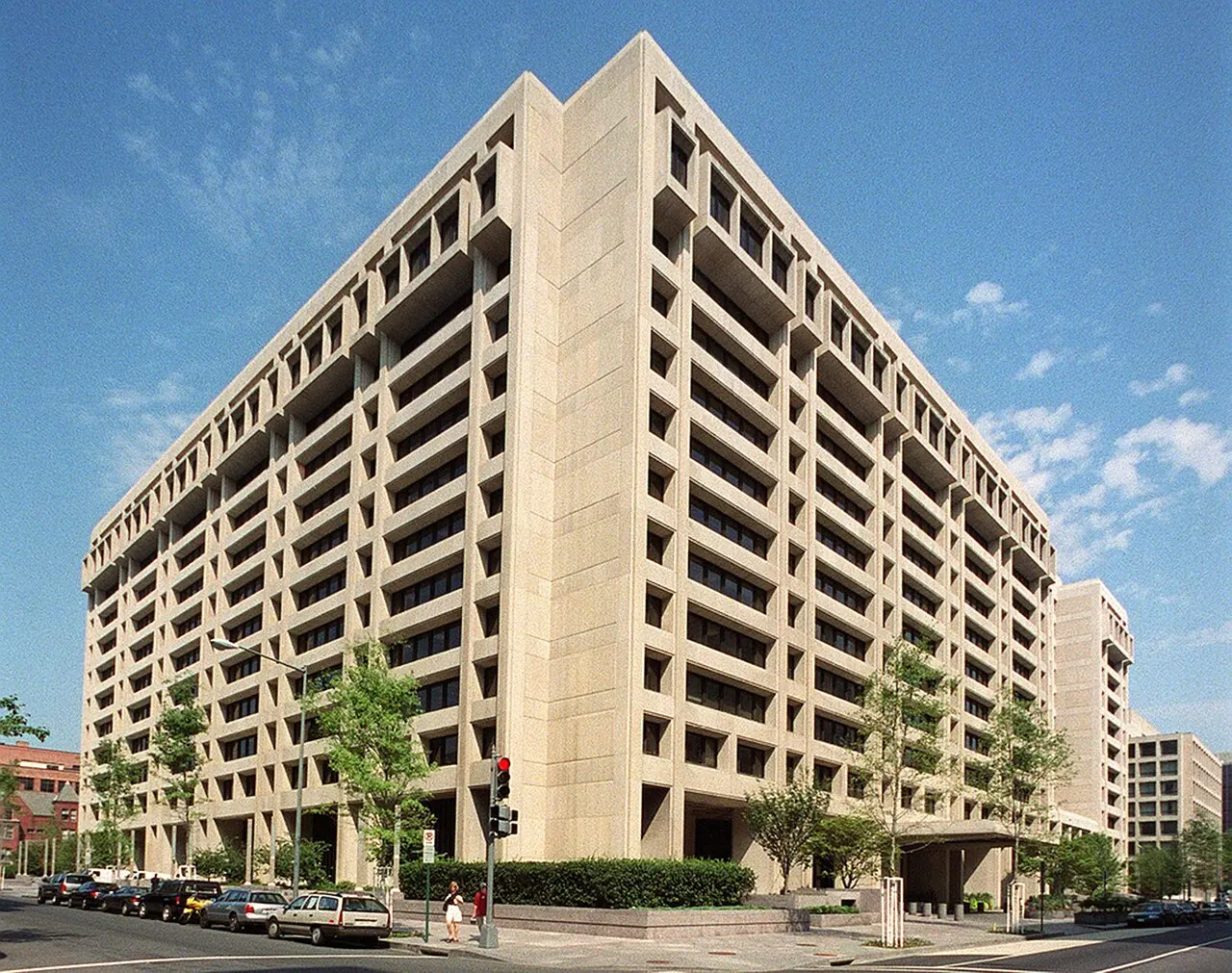
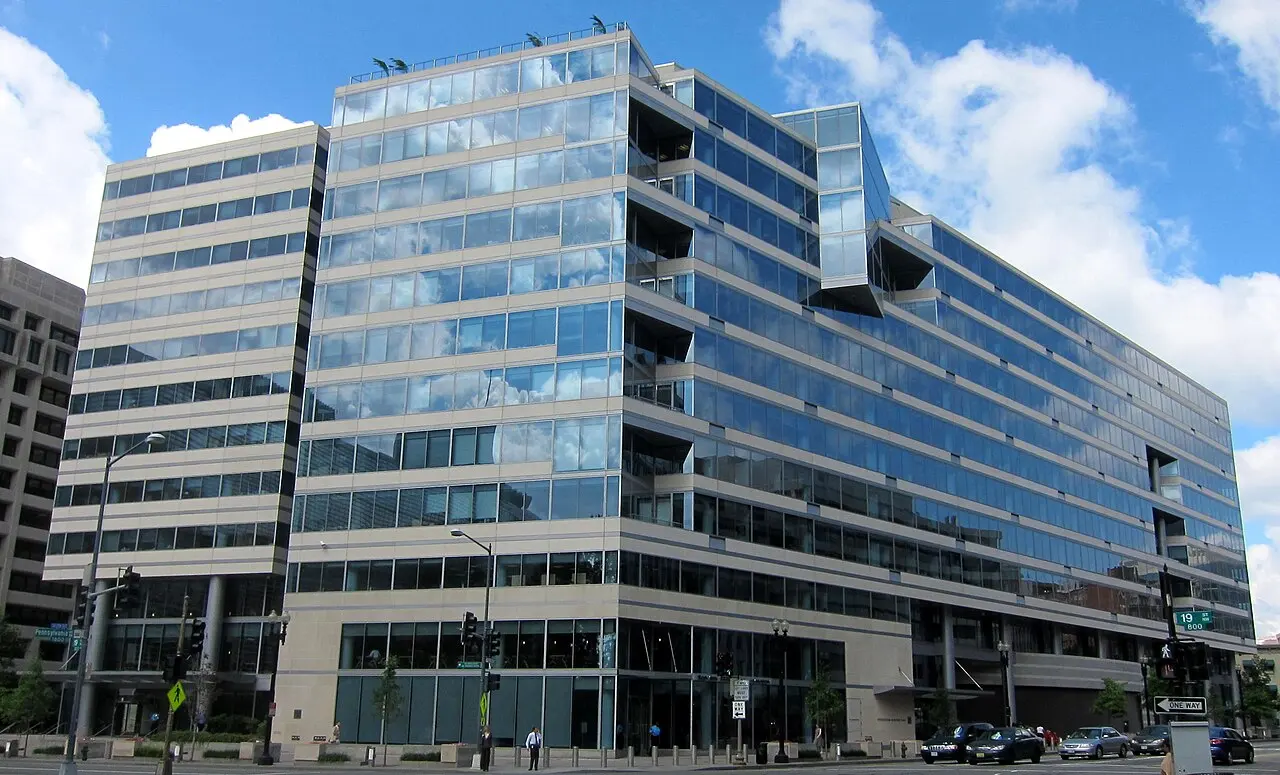
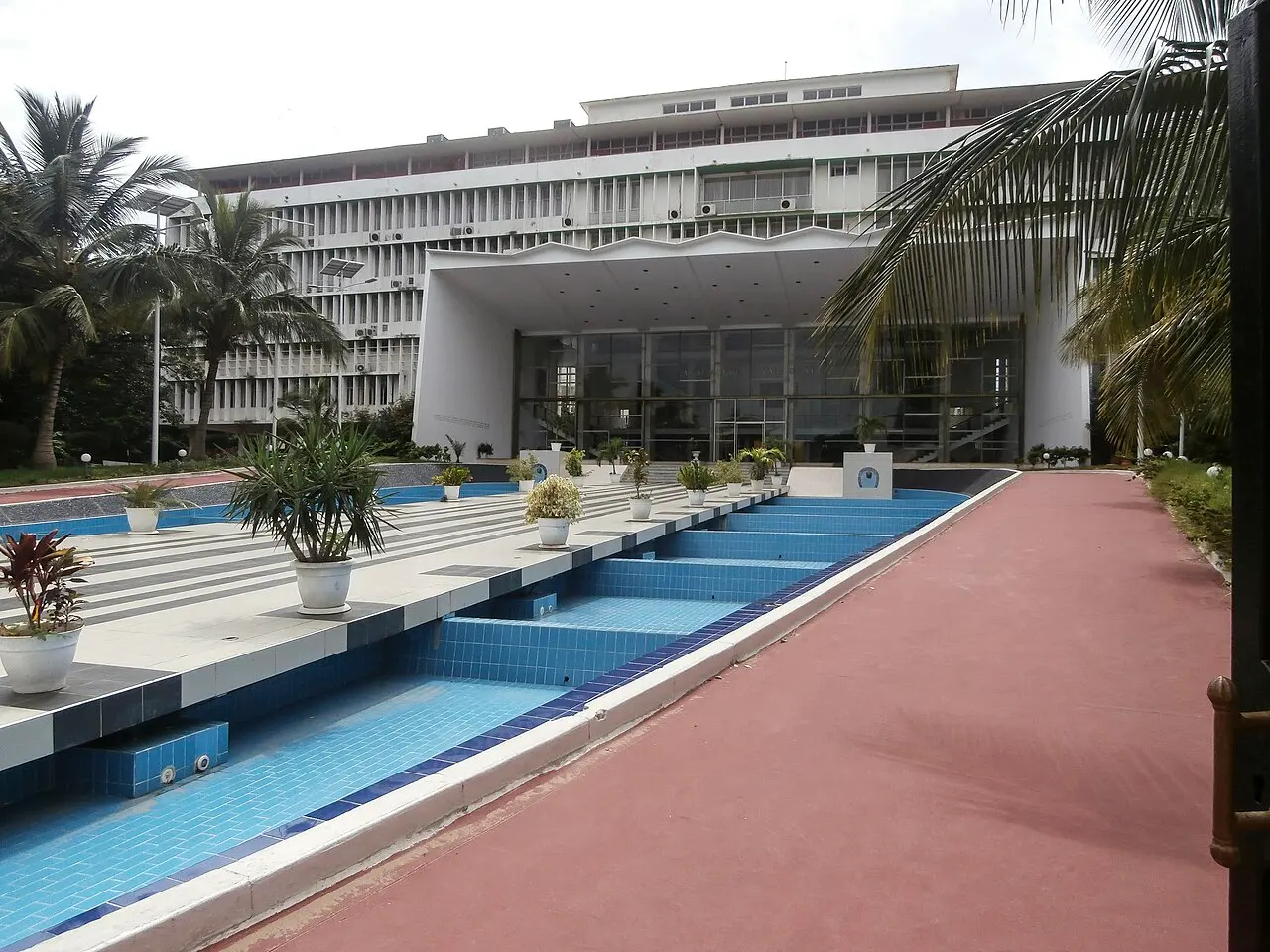
The IMF is still conditioning approval of its $2.2 billion loan to Senegal on the adoption of a budget that meets its commitments, according to RFI. More than two months after the staff-level agreement, the file is still awaiting consideration by the Executive Board, while the draft 2027 budget remains blocked in the National Assembly.
Senegal must still meet three conditions before its $2.2 billion programme can be submitted to the IMF Executive Board, the only body authorised to approve it, IMF spokesperson Julie Kozack said on Thursday 12 November. These are a budget framework consistent with the technical agreement of 1 September, completion of corrective measures on hidden debt, and assurances of financing from partners.
Asked about a possible entry into force of the budget by decree, she referred to the criteria of capacity to adopt and apply a budget consistent with the legal framework, without explicitly endorsing this route. The IMF says it does not want to intervene in political discussions or parliamentary procedures, but expects the authorities to demonstrate their commitment to the agreed measures. The budget dispute pits President Bassirou Diomaye Faye against former Prime Minister Ousmane Sonko, whose Pastef party holds the majority in the National Assembly. The 2026 supplementary budget was rejected in plenary and the draft 2027 budget in the finance committee, which weakens the programme’s timetable.
On external debt, the IMF announced in early October the rapid creation of a creditors' committee under the G20 common framework, after an information meeting on 6 October. Six weeks later, the committee had still not been set up. On hidden debt, which the new administration discovered in 2024 and whose undeclared commitments were estimated at around $13 billion, the IMF notes progress with audits, the revision of statistics and reforms to public debt management. It nevertheless calls for stronger budgetary controls, the removal of comfort letters used in some financing, and an audit entrusted to a private international firm.
Update of 13 November 2026: After the 2026 supplementary budget was rejected in plenary and the draft 2027 budget in the finance committee, the timetable of the IMF-backed programme in Senegal is weakening. To read: Senegalese budget blocked: IMF programme timetable weakened.