Global internet freedom declines for 16th consecutive year
By the AFREEQUE newsroom, based on Freedomhouse

Global internet freedom has declined for the 16th consecutive year, with deterioration in 16 of the 38 countries assessed and improvement in eight, according to a Freedom House report. Iran saw the sharpest decline, while Estonia remains the country where online freedom is best protected, according to the US organisation.
Global internet freedom has declined for the 16th consecutive year, according to the annual Freedom on the Net report by the US organisation Freedom House, published on 22 October. Among the 38 countries assessed, the situation deteriorated in 16 and improved in eight.
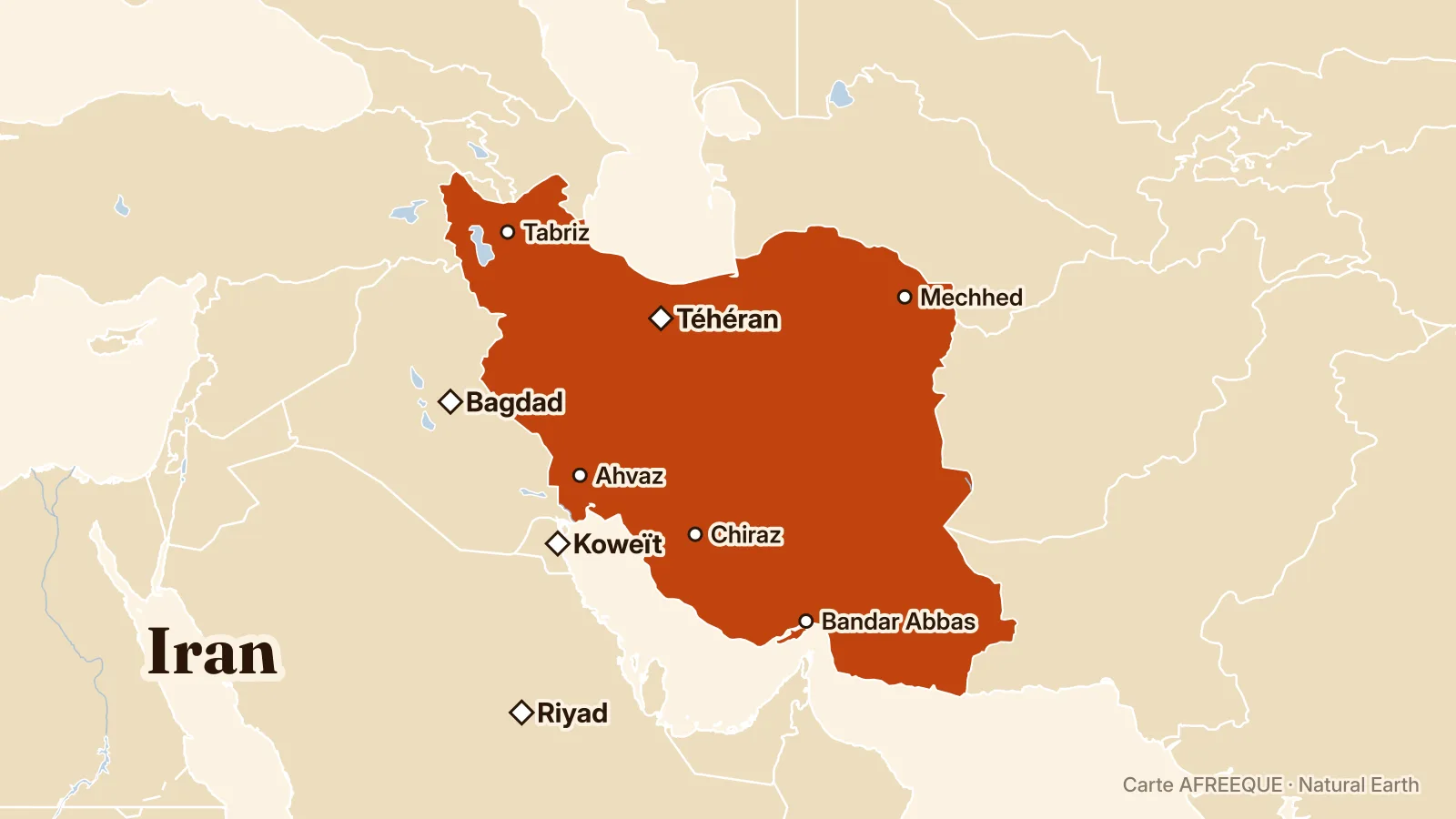
Iran recorded the sharpest decline, joining China and Myanmar among the countries where online freedom is most restricted. By contrast, Bangladesh saw the biggest improvement for the second year running, while Estonia remains the freest environment on the internet.
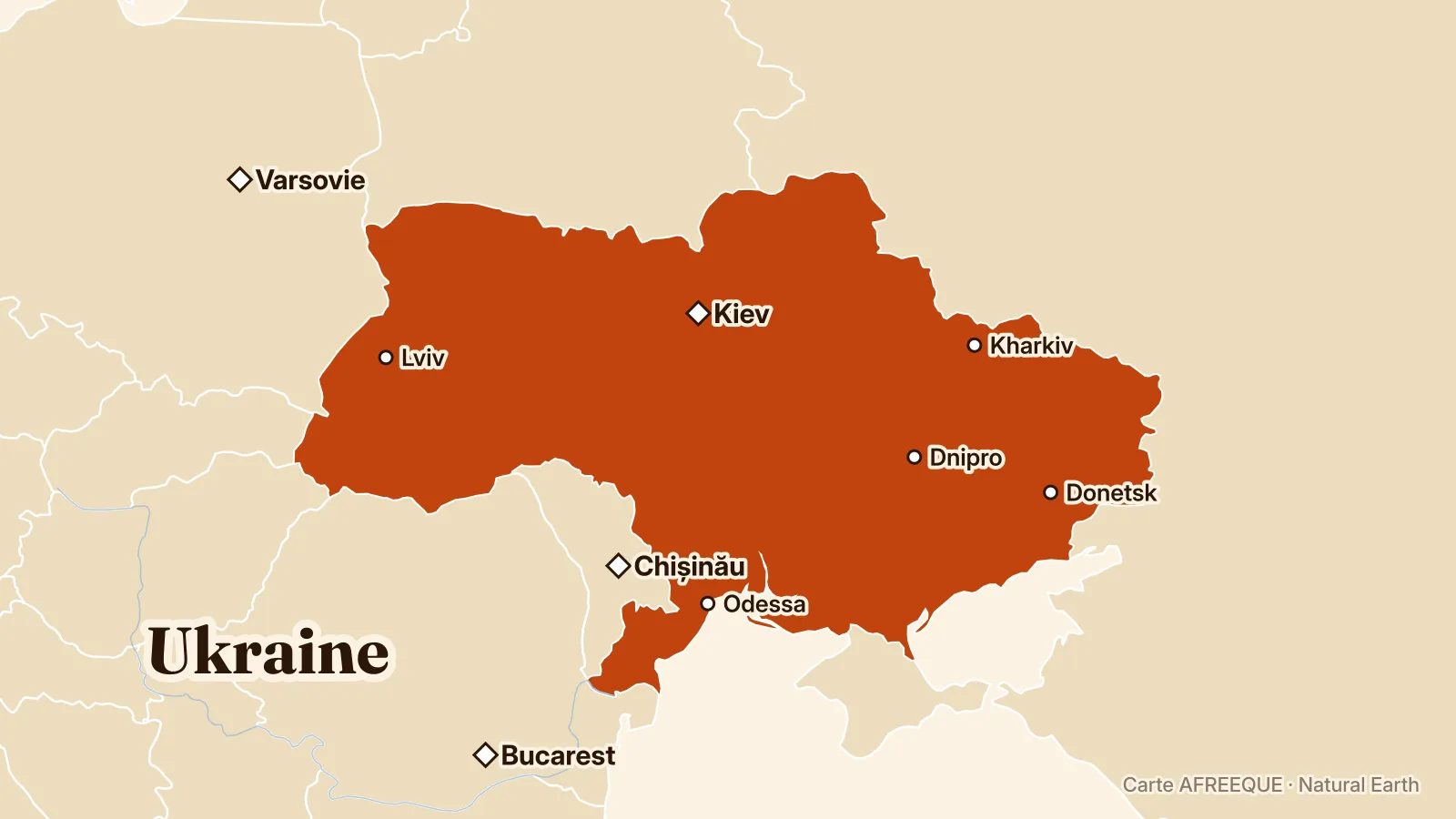
Iranian authorities imposed a nationwide internet shutdown lasting around 88 days, the longest recorded by Freedom on the Net, and reorganised access so that only a minority could connect to global platforms. Russia, for its part, expanded shutdowns and restrictions targeting virtual private networks.
The report also notes that, by June 2026, laws requiring age verification to access social media or other online content had been proposed, adopted or implemented in 10 of the 38 countries studied. Australia and Indonesia have banned social media for under-16s. Freedom House also says that Georgia moved from the “free” to the “partly free” category amid a crackdown on online activism and criticism of the ruling Georgian Dream party.
Summary produced with the help of artificial intelligence tools, under AFREEQUE’s editorial responsibility.