URGENT
🇬🇭 GhanaBusiness

Ghana to invest $1.5 billion in mineral processing

By , based on 3News

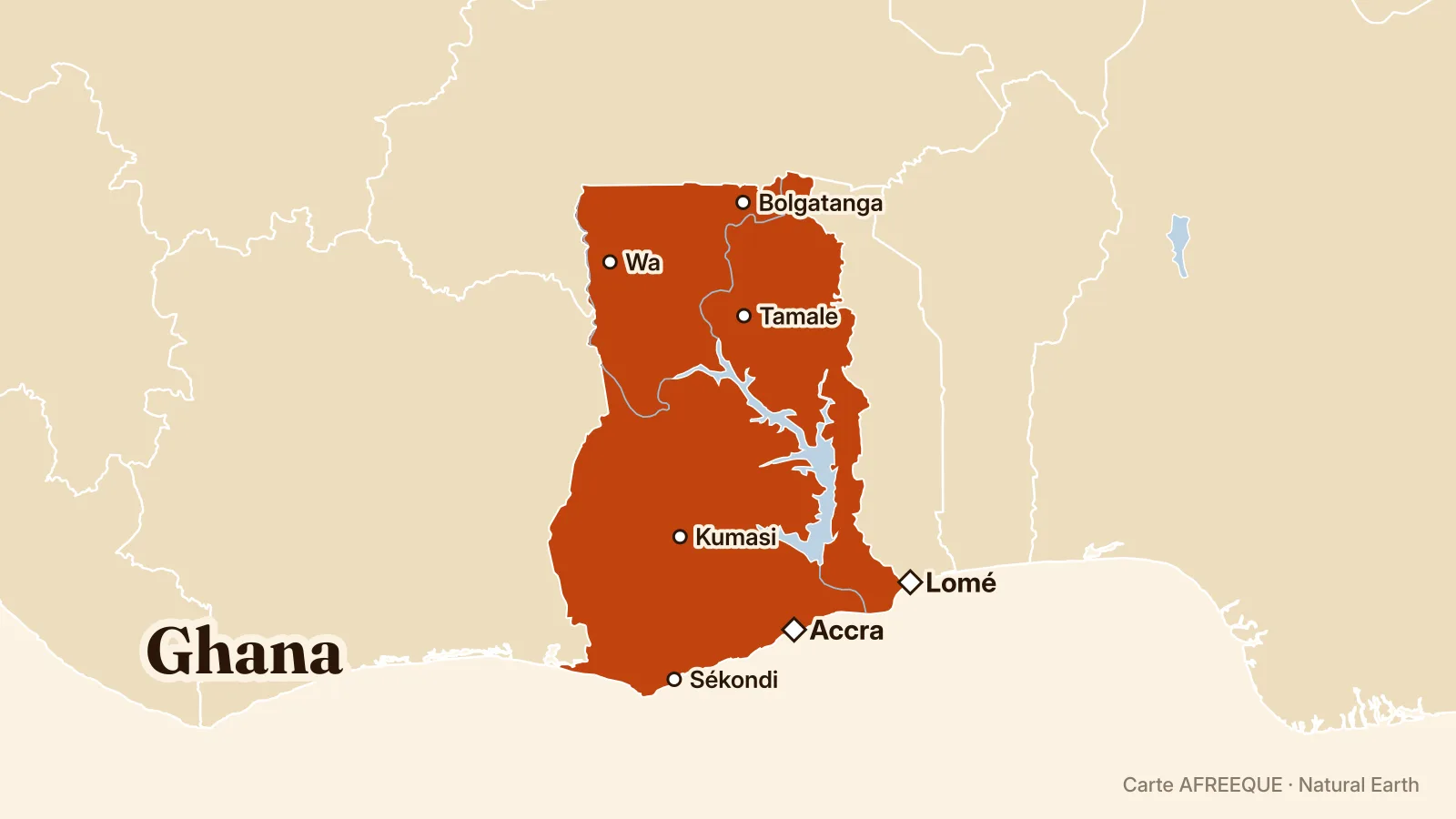
Map: Ghana

Ghana will invest $1.5 billion in the local processing of manganese, bauxite, lithium and gold, Finance Minister Cassiel Ato Forson announced on 12 November 2026. The plan provides for a ban on exports of raw artisanal gold from 2028 and raw manganese and bauxite from 2030, according to 3News.

Ghana will invest $1.5 billion in the local processing of its critical minerals, Finance Minister Cassiel Ato Forson announced during the presentation of the 2027 budget before Parliament on Thursday 12 November 2026, according to 3News. The investment, under pillar 4 of the “New Economy” programme, will focus on four minerals: manganese, bauxite, lithium and gold.

For gold, the government wants to refine locally at least 70% of artisanal and small-scale production by December 2027, then 100% by December 2028, with a ban on exports of raw artisanal, small- and medium-scale gold from 2028. For manganese and bauxite, the target is to process at least 50% locally by the end of 2028 and 100% by the end of 2030, with a ban on raw exports in 2030; bauxite will be used to refine alumina and smelt aluminium. For lithium, the country will begin with local refining before gradually developing production capacity for battery-grade chemicals, components and battery cells.

The government also wants to create a 24-hour critical minerals processing enclave in the Western Region. From 2027, it plans to build a railway line from Takoradi to Nyinahin, connect the mining towns of Nsuta and Awaso, transport manganese and bauxite to the west for local processing, then extend the line from Nyinahin to Hamile, in the Upper West Region, by 2030, with a modern inland port at Hamile serving Burkina Faso, Mali, Niger and the Sahel.

These measures complement the priorities of the 2027 budget, whose presentation had been announced for Thursday evening, and add to other local processing targets set by Accra, such as the ban on imported rice by 2030.

Share this article

Related stories

Ghana plans to ban imported rice by 2030

Ghana plans to ban commercial rice imports by the end of 2030 to boost domestic production. The plan also includes 100,000 additional hectares under cultivation and about 125,000 jobs through agricultural hubs in several regions, according to Finance Minister Cassiel Ato Forson.

🇬🇭 Ghana · Source: MyJoyOnline ·

Ghana targets 8% growth and unemployment below 8%

Ghana is targeting real GDP growth of about 8% and unemployment below 8% by 2030, Finance Minister Cassiel Ato Forson announced. The government also wants a path towards an investment-grade sovereign rating, according to MyJoyOnline.

🇬🇭 Ghana · Source: MyJoyOnline ·

Ghana to introduce no new taxes in 2027, Ato Forson announces

The Ghanaian government will introduce no new taxes in the 2027 budget, Finance Minister Cassiel Ato Forson announced on 12 November 2026 before Parliament. Instead, it plans to modernise collection of income tax, communications tax and customs duties, and review Ghana’s tax treaties, according to MyJoyOnline.

🇬🇭 Ghana · Source: MyJoyOnline ·

Ghana to present 2027 budget on Thursday evening

Ghana’s Speaker of Parliament, Alban Bagbin, has granted Finance Minister Cassiel Ato Forson permission to present the 2027 budget in the evening, at 6pm on Thursday 12 November. The document, titled “The New Economy”, is to set revenue targets and spending priorities, with no new loans, according to 3News.

🇬🇭 Ghana · Source: 3News ·

🇬🇭 Latest from Ghana

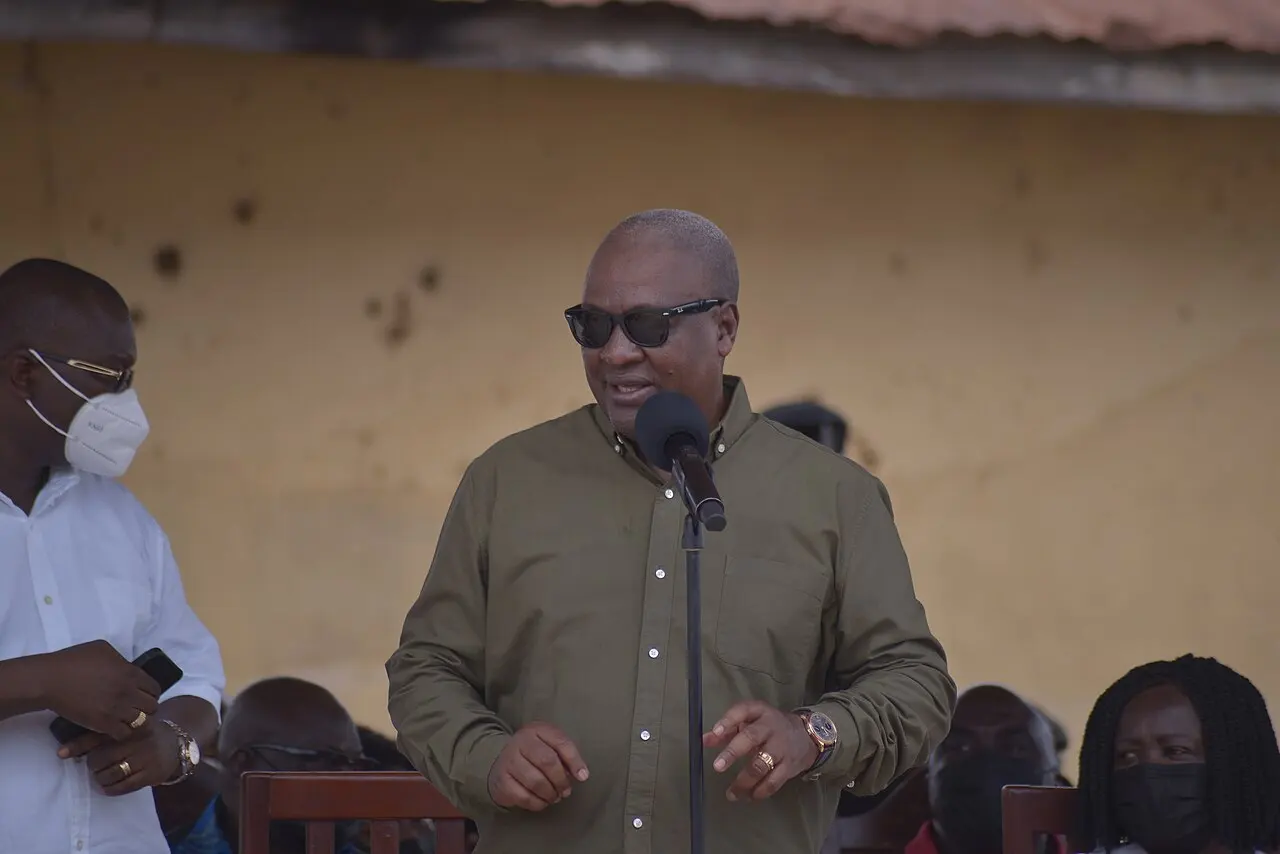
Ghana keeps two series of banknotes in circulationGhana keeps two series of banknotes in circulationGhanaian President John Dramani Mahama confirmed that old cedi banknotes will remain valid alongside the new Heritage Series until banks gradually withdraw the old notes. The coexistence of the two series is intended to support the monetary transition, Mahama said in Accra on Thursday.All Ghana news →

Business in West Africa

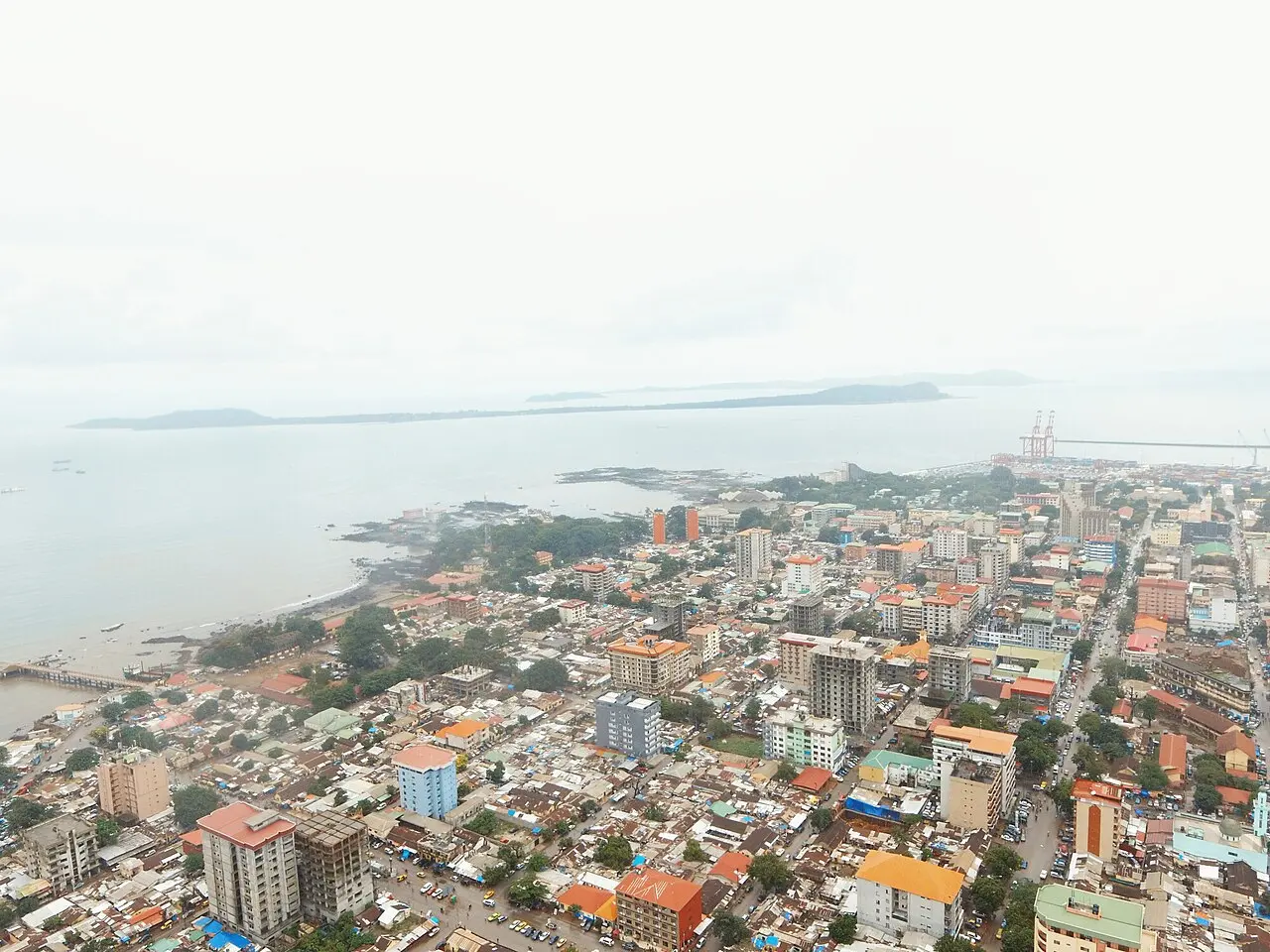
Guinea puts Conakry BRT cost at $361 millionGuinea puts Conakry BRT cost at $361 millionGuinea’s Transport Ministry detailed, at the Simandou Mining Summit 2026, a bus rapid transit project in Greater Conakry valued at $361 million, providing for 39.2 km of dedicated lanes, 51 stations and up to 275,000 passengers a day from 2030. A second project covers a 35 km Kaloum-Kagbélen urban railway with 15 stations, costing $693 million, according to Guinee7.All Business news →

The week in Africa

This week’s highlights

  1. Putin demands Ukrainian state border in talks with Witkoff and Kushner🇺🇦 Ukraine
  2. SADC prepares regional plan against Ebola🇨🇩 DR Congo
  3. Dangote IPO attracts 5.85 trillion naira in subscriptions🇳🇬 Nigeria
  4. Colette Kress takes interim leadership of Nvidia🇺🇸 United States
  5. ANC loses 15 points but keeps Ramaphosa🇿🇦 South Africa
All of this week’s highlights →

Africa in your inbox

Be the first to get our letter in English: the essentials from every region of the continent, free.

Free · one email a week · unsubscribe in one click. Your address is only used to send you the letter, never sold. Personal data

← Back to the news