Ghana plans to ban imported rice by 2030
By the AFREEQUE newsroom, based on MyJoyOnline
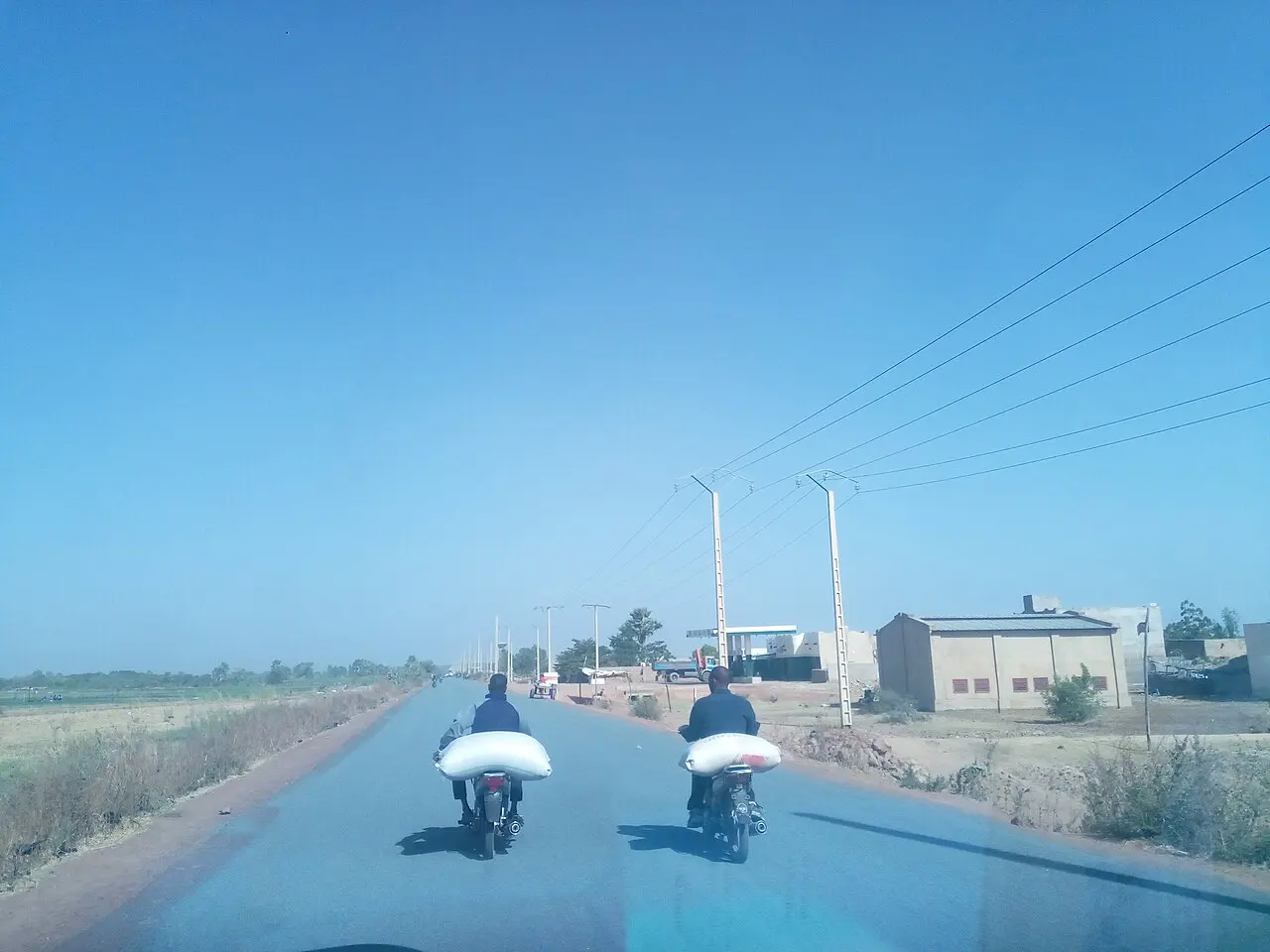

Ghana plans to ban commercial rice imports by the end of 2030 to boost domestic production. The plan also includes 100,000 additional hectares under cultivation and about 125,000 jobs through agricultural hubs in several regions, according to Finance Minister Cassiel Ato Forson.
Ghana plans to ban commercial rice imports at the end of 2030 to support domestic production, Finance Minister Cassiel Ato Forson announced on Thursday 12 November 2026 while presenting the 2027 budget to Parliament. The government also wants to amend public procurement rules to require schools, hospitals and other public institutions to buy Ghanaian rice with public funds.
From 2027, rice import licences will be linked to purchases from verified Ghanaian farmers and processors. The share of local rice required from importers is to increase with domestic production, while import quotas will gradually decline, Cassiel Ato Forson said.
The government also plans to create rice development hubs in the Volta Basin, western and northern Ghana. These hubs are to bring together irrigation, mechanisation, storage, modern mills, packaging and logistics, with a target of 100,000 additional hectares under cultivation and about 125,000 jobs.
The scheme also provides targeted tax incentives for investments in irrigation, mechanisation, silos, mills, packaging and logistics. According to the Finance Minister, these measures should reduce investment costs and post-harvest losses to make Ghanaian rice competitive.