El Salvador’s Bukele launches campaign for third term
By the AFREEQUE newsroom, based on Al Jazeera
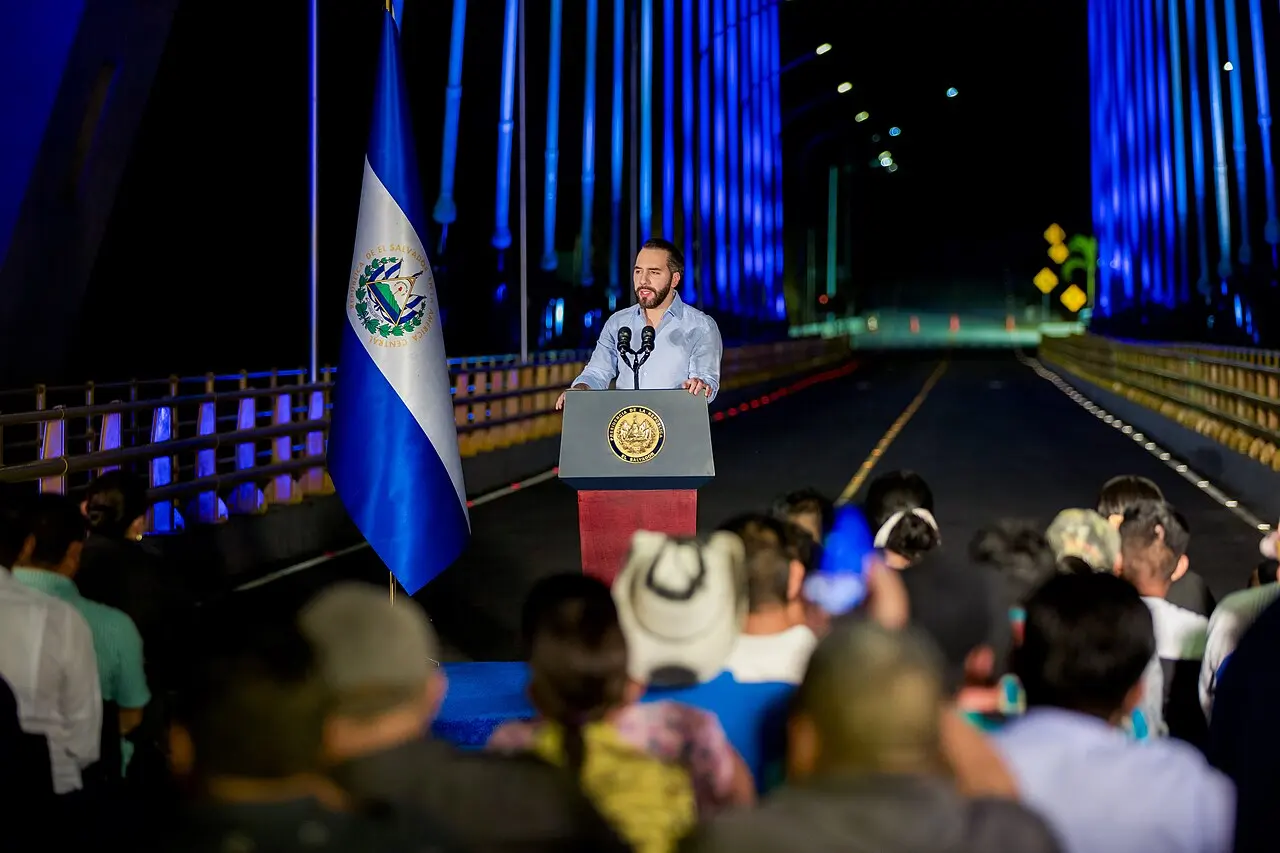
Salvadoran President Nayib Bukele has officially launched his re-election campaign by filing his candidacy with the electoral tribunal ahead of the February vote. His critics see this as a de facto one-party state, after his party used its congressional majority to abolish term limits, according to Al Jazeera.
Salvadoran President Nayib Bukele filed his candidacy for a third consecutive term on Friday 20 November at a ceremony held outside El Salvador’s Supreme Electoral Tribunal, according to Al Jazeera. He is the clear favourite for the February 2027 election, buoyed by popular support for his policy of combating criminal gangs.
The candidacy follows changes to constitutional rules by the Nuevas Ideas party, which holds a two-thirds majority in Congress. The reform abolished presidential term limits and extended terms from five to six years. Last year, the same party also abolished the second round of the presidential election and brought national elections forward by two years, with the next polls now scheduled for February 2027.
Organisations and observers have criticised the concentration of power around the head of state. The German Bertelsmann Foundation’s Transformation Index and other assessments accuse his administration of encouraging the establishment of a political system dominated by a single party. Juan Pappier, a representative of Human Rights Watch, believes the president has strengthened his control over judicial and constitutional institutions, while having critical voices imprisoned or driven into exile. Bukele has rejected these criticisms in front of his supporters, saying that El Salvador enjoys a fully open democracy.
The president has also extended his security policy abroad. In October, he sent around 2,500 Salvadoran troops to Haiti following the disappearance of four Salvadoran members of a United Nations-backed force. The operation was welcomed in Port-au-Prince, but raised questions among analysts about the political motivations behind the intervention. It follows the deployment of Salvadoran troops to Haiti, announced on 30 October 2026.