Nvidia espionage scandal: Alibaba sued by its shareholders
By the AFREEQUE newsroom, based on Daily Maverick and MyJoyOnline
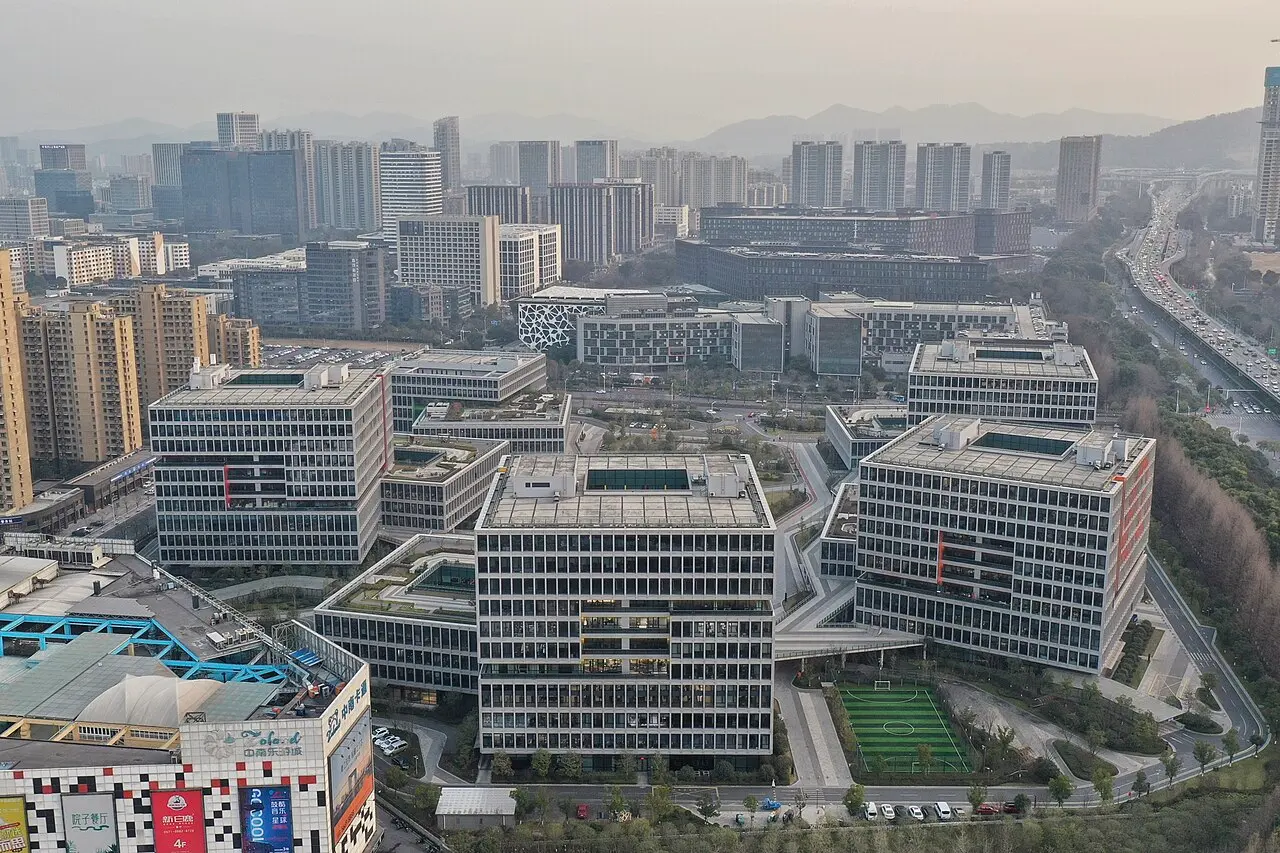
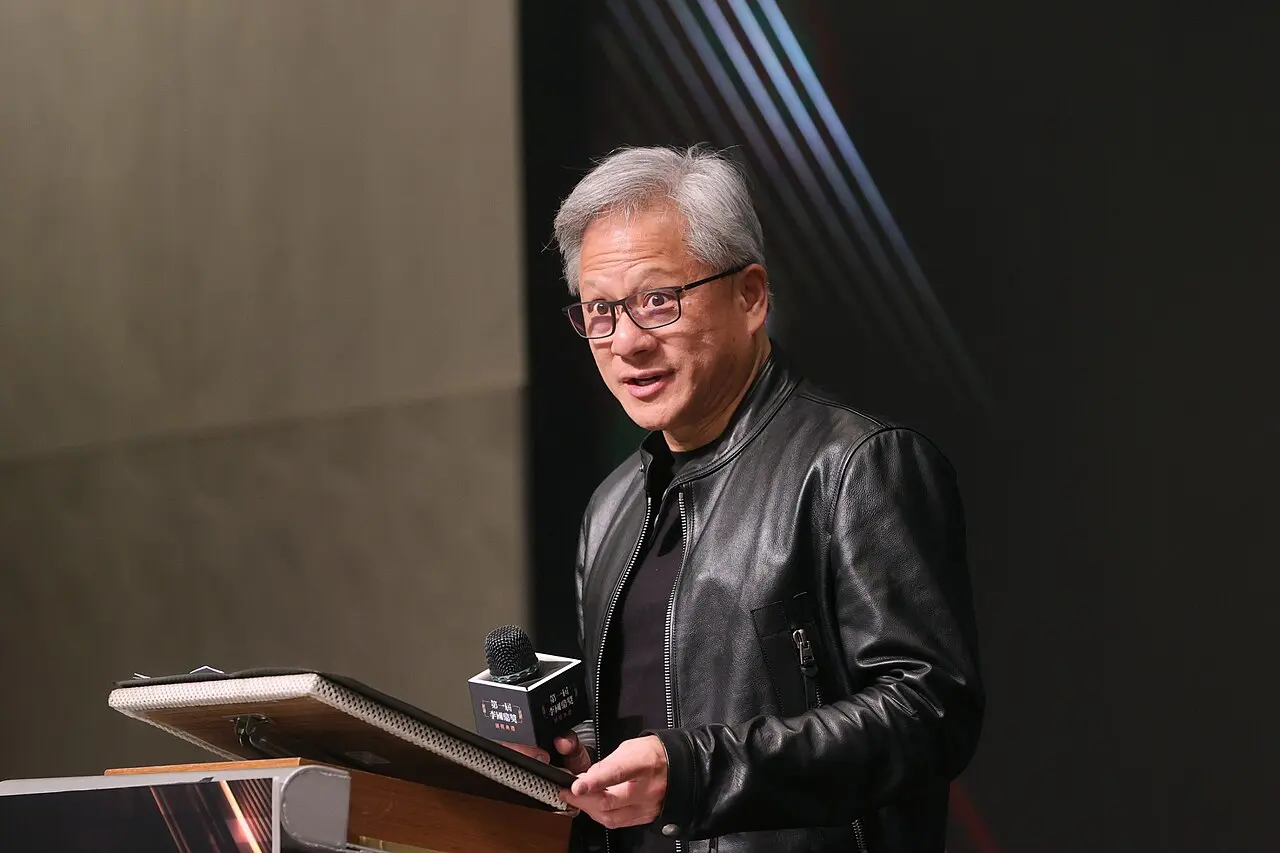
Alibaba shareholders have launched a class action in New York, accusing the Chinese group of concealing its ties to a person suspected of spying for Beijing. They believe the company played down the risks linked to US controls on exports of Nvidia chips in its annual reports from 2024 to 2026, according to Daily Maverick. They also link the case to Jensen Huang’s departure from Nvidia’s leadership.
The class action filed on Thursday 19 November in a federal court in Manhattan targets Alibaba and its chief executive, Eddie Wu. Shareholder Withida Bihan accuses the group of presenting a misleading picture of its exposure to US restrictions on technology exports, by playing down the risks in its annual reports for 2024, 2025 and 2026, according to Reuters. The action seeks unspecified damages for holders of Alibaba’s American depositary receipts who invested between 23 May 2024 and 11 November 2026.
The plaintiffs in particular challenge the group’s relationship with Megaspeed, a Singapore-based company suspected of helping Beijing obtain advanced Nvidia artificial intelligence processors. Its head, Alice Huang, had personal ties to Jensen Huang, with no family relationship between them. The shareholders claim that Alibaba had become Megaspeed’s main customer. This affair contributed to Jensen Huang’s departure from Nvidia’s leadership the previous week.
Alibaba’s shares fell 14% over four trading sessions after revelations about these ties were published. Investors reacted in particular to the prospect of tighter US restrictions on the remote use of advanced processors by Chinese companies. Nvidia is also facing several lawsuits brought by its own shareholders, who are challenging the oversight exercised by its directors.
On Thursday, Eddie Wu reaffirmed Alibaba’s goal of reaching $100 billion in revenue from external customers in the cloud and an EBITDA margin of 20% by 2030. In June, the group had itself brought legal action against Washington after its listing on a US list of Chinese companies linked to the military. In October, a federal judge in California had ordered the government not to exclude companies from Pentagon contracts because of their representatives' lobbying activities with Chinese companies on that list. Alibaba believes that this restriction prompted its lobbyists to withdraw from certain activities for fear of losing other clients, and that it infringes its constitutional right to petition the authorities.