Pedro Sánchez admits to 'mistakes' in Spanish election debate
By the AFREEQUE newsroom, based on France 24 and L’essentiel
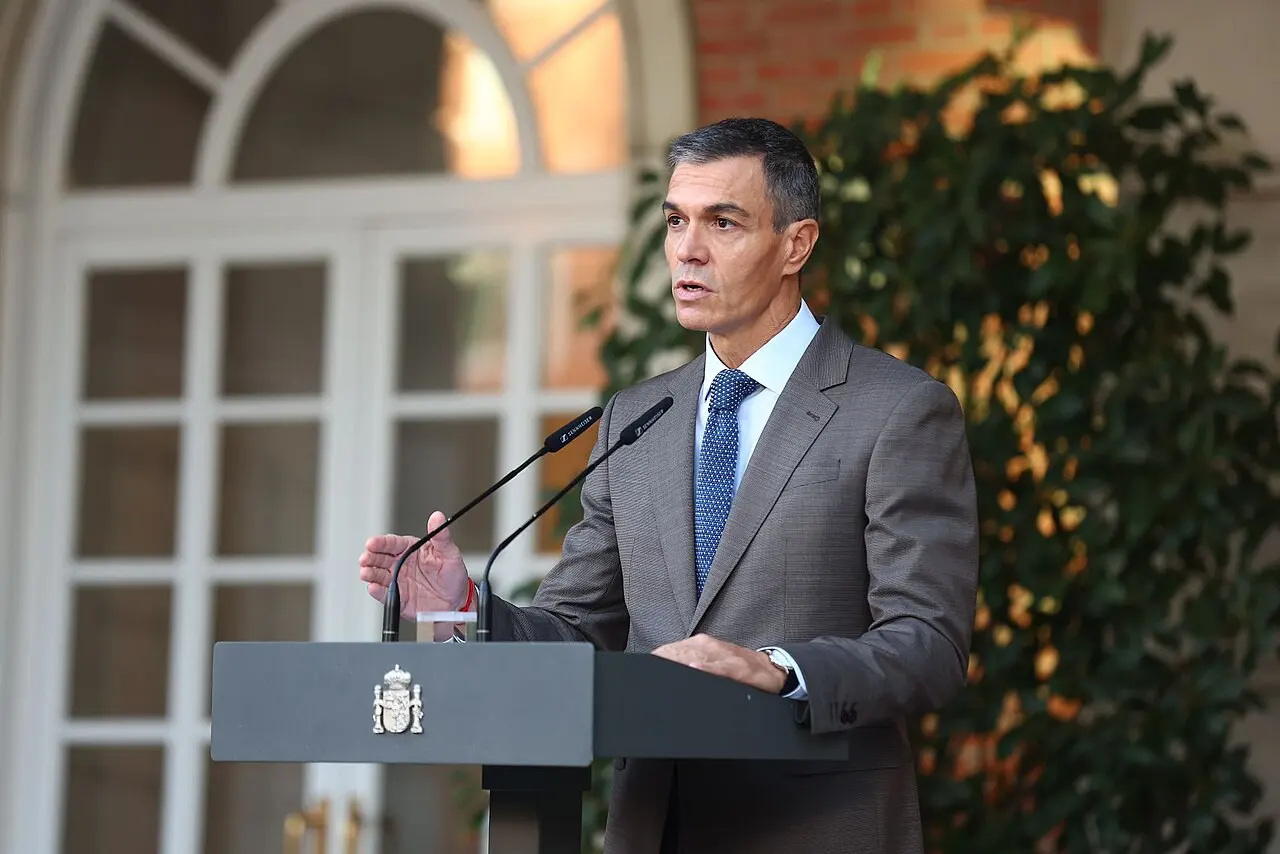
Spanish Prime Minister Pedro Sánchez acknowledged making mistakes during his televised debate on 19 November against conservative Alberto Núñez Feijóo, who strongly criticised him over purchasing power and immigration, according to France 24. Ten days before the 29 November general election, polls put the People’s Party in the lead without an absolute majority, with Vox potentially entering government.
Alberto Núñez Feijóo accused Pedro Sánchez of weakening the middle class and criticised his immigration policy during their only televised campaign debate, held on Thursday 19 November in Madrid. The socialist prime minister acknowledged mistakes in the way his government had handled matters, while defending its economic, social and environmental record, according to France 24.
The leader of the People’s Party (PP) particularly highlighted families' difficulties in paying for housing and everyday expenses, despite economic growth. He also raised the issue of people close to Sánchez who are involved in legal proceedings and the two railway accidents that killed 115 people in Spain in 2026. These exchanges come after a general strike held eight days earlier, amid concerns over housing and purchasing power.
On immigration, Feijóo challenged the government’s programme to regularise undocumented migrants and criticised its handling of migrant arrivals. He called for legal immigration, regulated through an employment contract and in compliance with Spanish laws. Sánchez, for his part, defended his open-door policy and warned against a radical change in the country’s economic strategy.
Opinion polls predict a PP victory in the 29 November election, but without an absolute majority. The party could then form an alliance with Vox, led by Santiago Abascal, to establish a government. The Socialists are expected to come second, with limited prospects of forming a coalition due to the decline of the left. A victory for this alliance would open the door for the far right to participate in the national government for the first time since the end of the Franco dictatorship in 1975.