Ebola remains out of control in DR Congo, MSF says
By the AFREEQUE newsroom, based on Médecins sans frontières and P.M. News
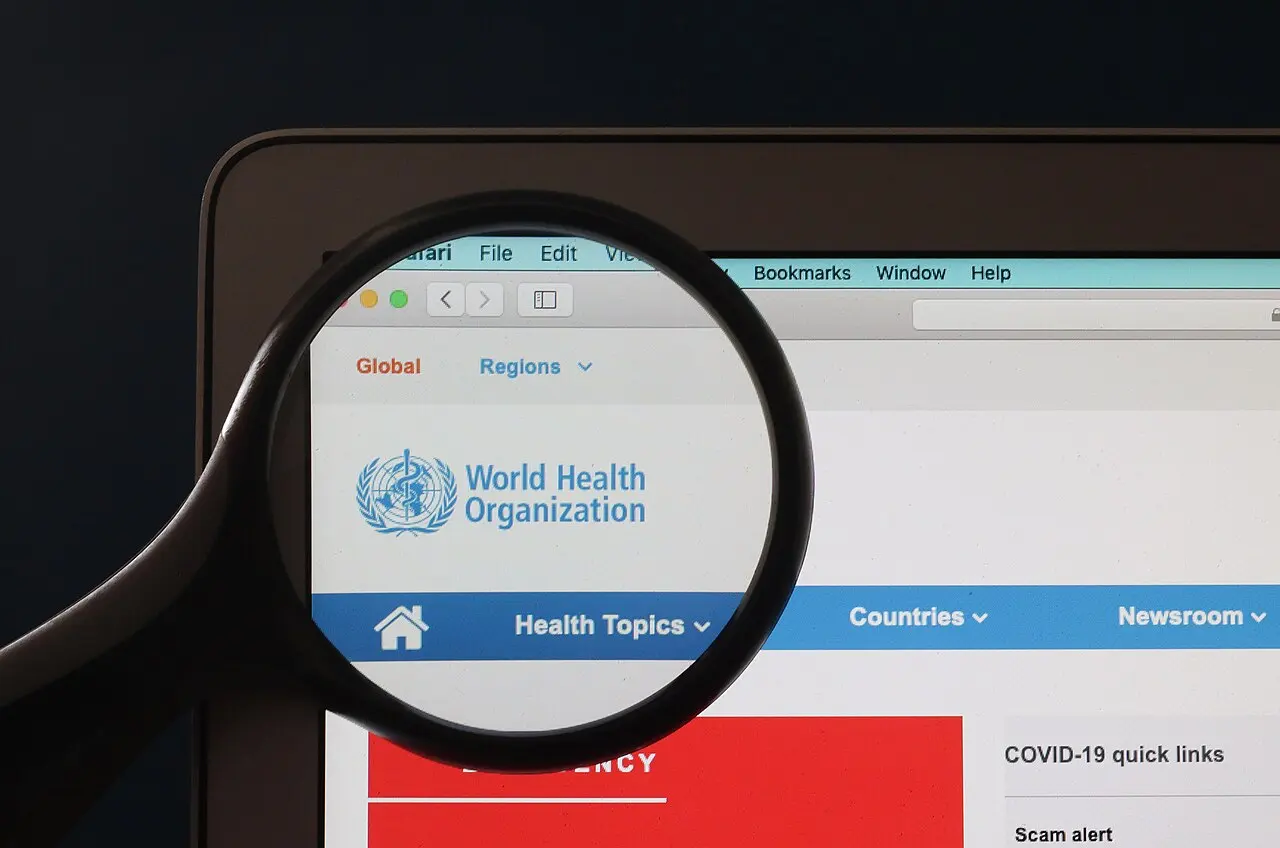
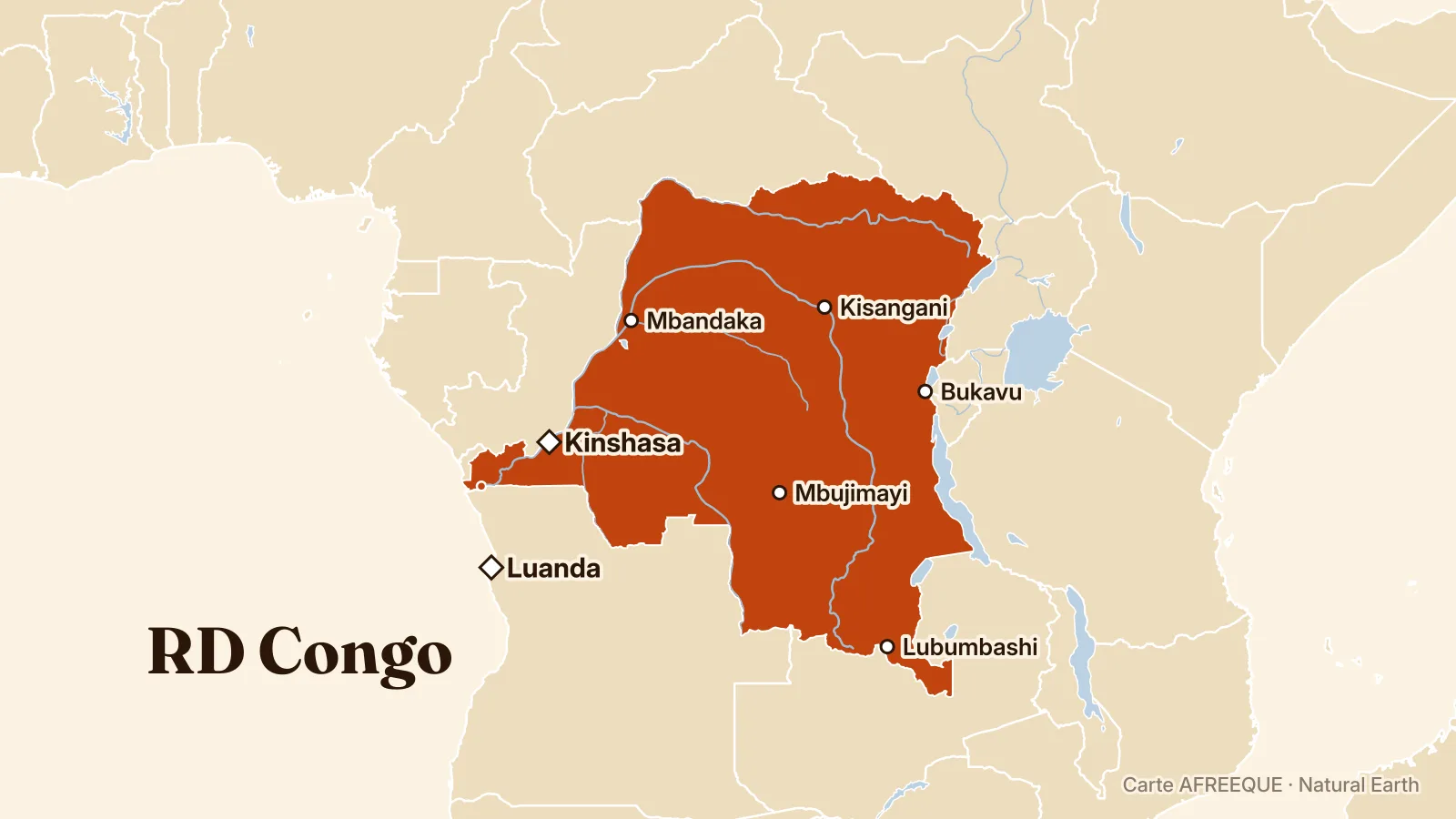
The Ebola outbreak in DR Congo remains out of control six months after the response began, with more than 11,000 confirmed infections, according to Médecins sans frontières. Despite hundreds of millions of dollars being mobilised, gaps remain in support for patients, health workers and communities, while surveillance and care remain insufficient.
Médecins sans frontières estimates that the second-largest Ebola outbreak ever recorded remains out of control in the Democratic Republic of the Congo, six months after it began, with confirmed infections exceeding 11,000 cases. The organisation attributes the difficulties in the response in particular to a lack of resources available to frontline workers.
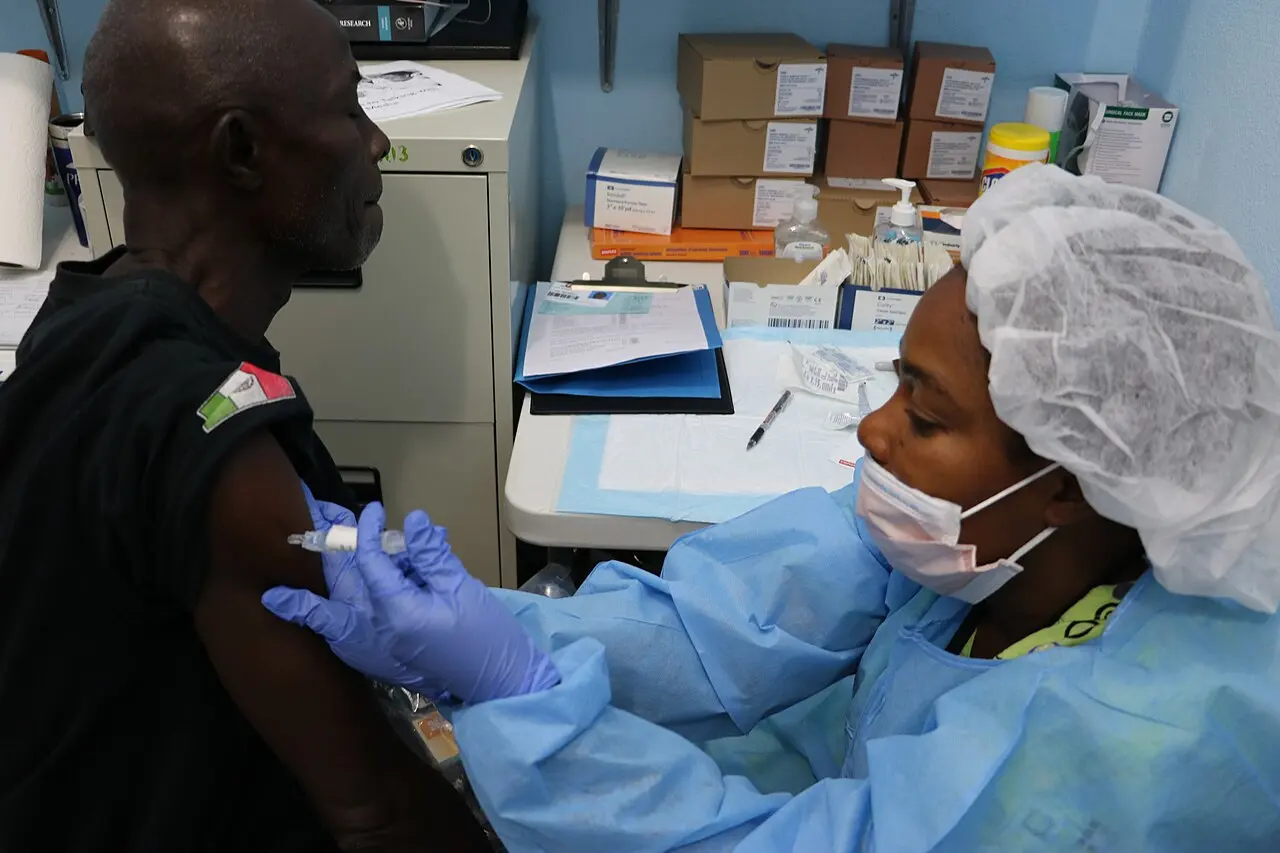
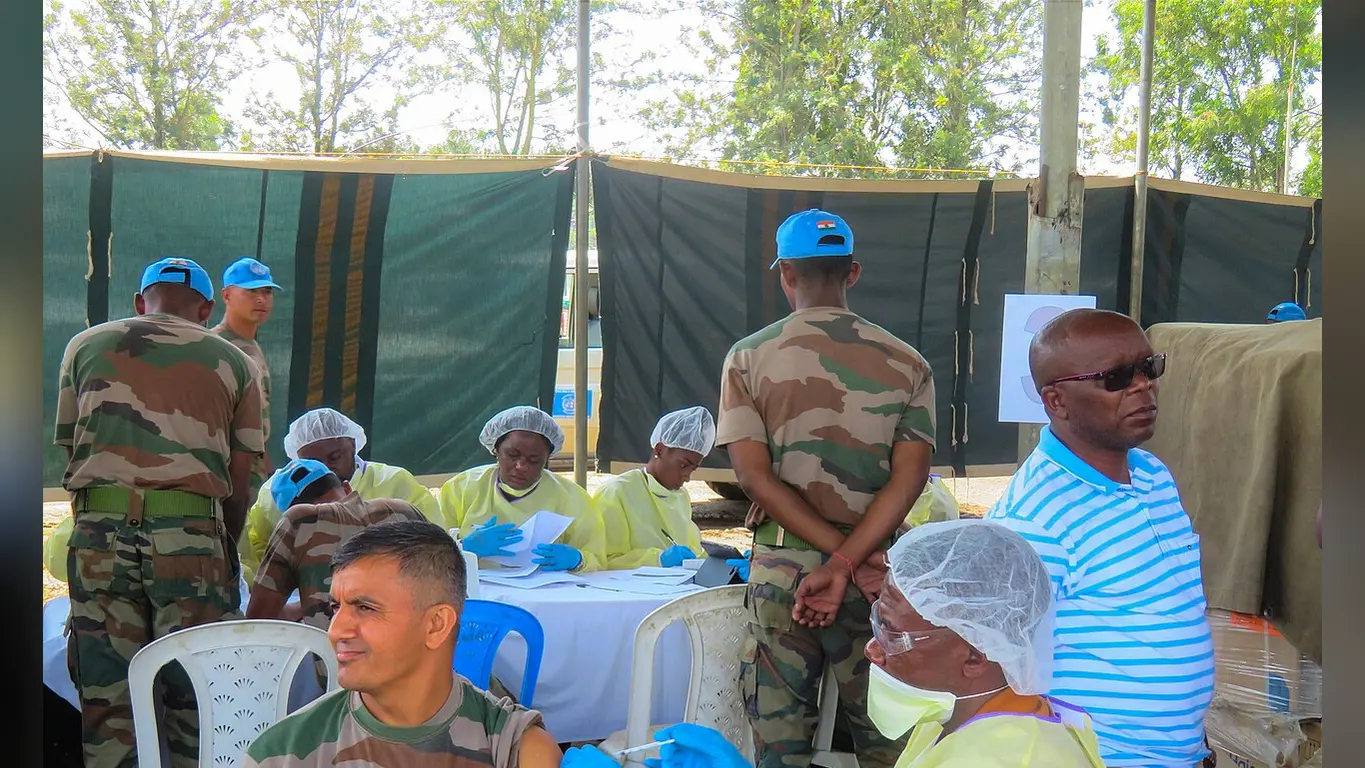
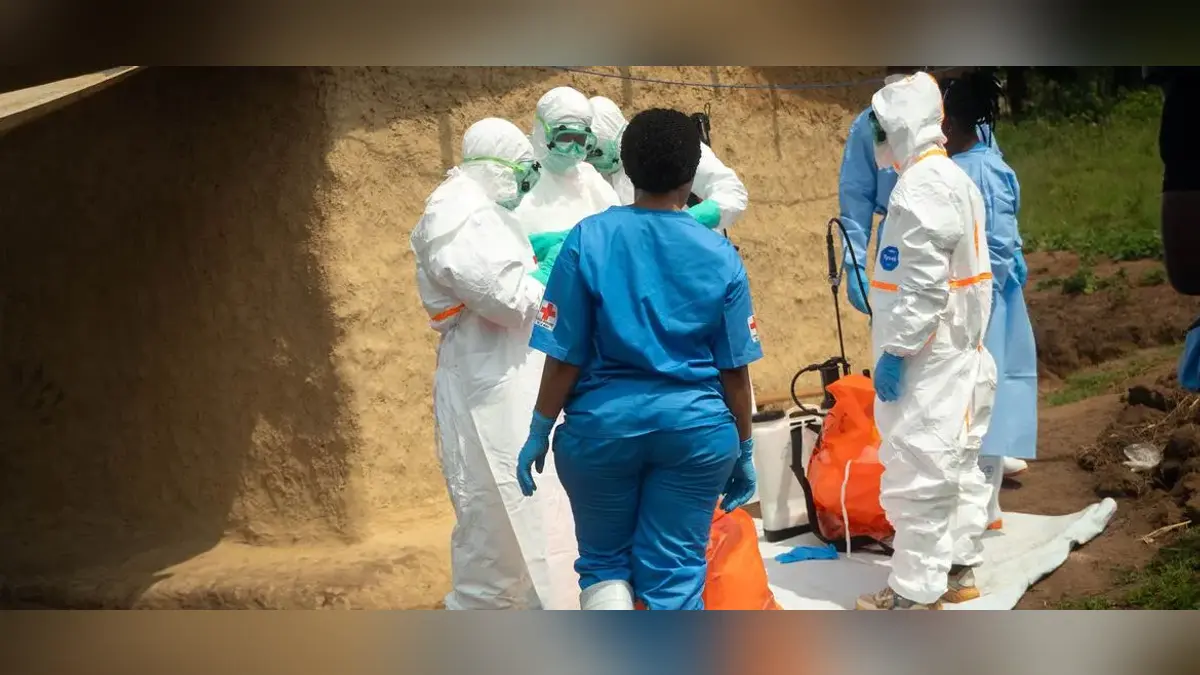
Untrained or unpaid health workers, ambulances without fuel, insufficient surveillance teams and shortages of supplies to treat suspected cases have been reported. In the Beni health zone, in North Kivu, nearly three-quarters of Ebola patients are said to have contracted the virus in health facilities. The WHO also cites delays in paying health workers, insecurity and attacks on medical facilities among the obstacles to the response.
British epidemiologist Neil Ferguson estimates that authorities may detect only about half of infections. His modelling estimates that between 2,000 and 3,000 people are currently infected and predicts that transmission could continue for another year, potentially making this outbreak larger than the West African outbreak of 2014-2016.
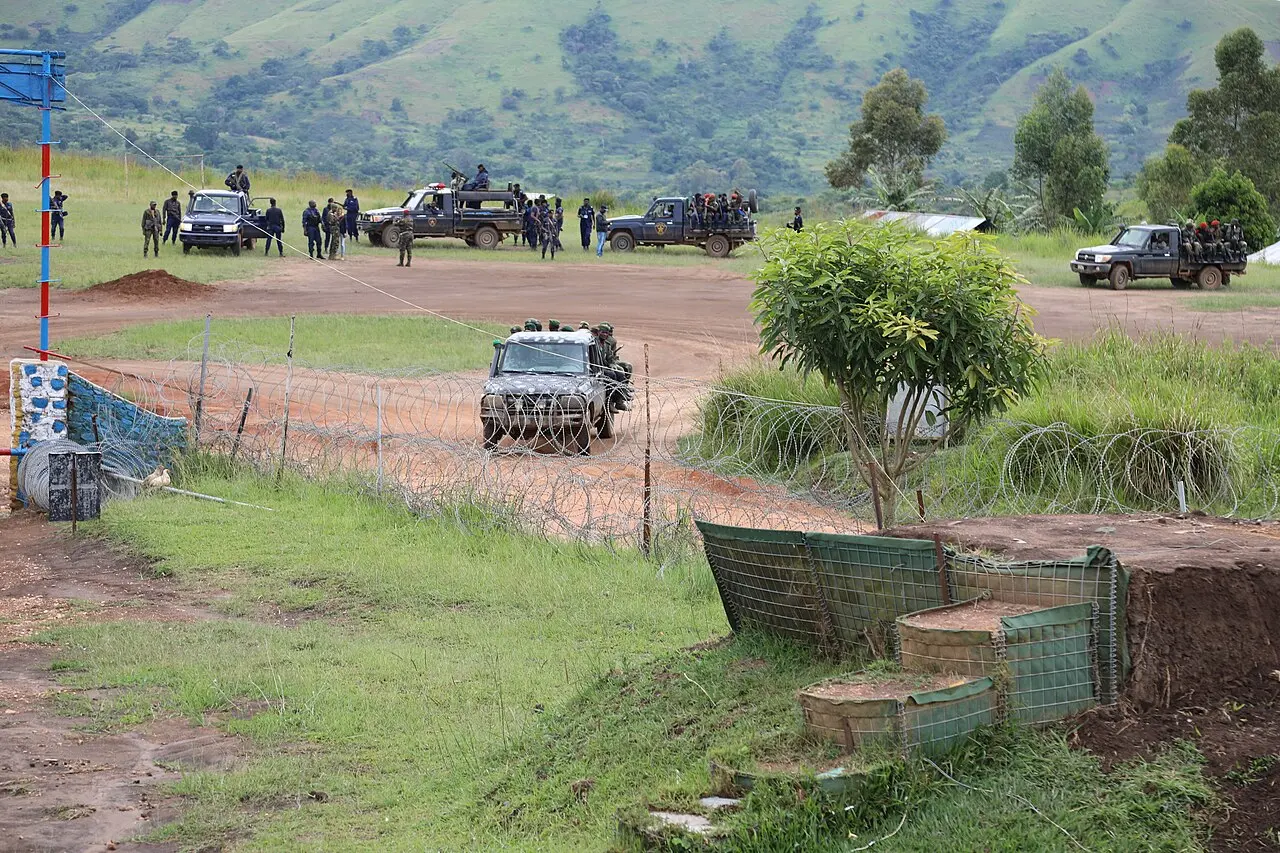
An attack in Cantine-Aloya, North Kivu, also disrupted contact tracing after the deaths of 66 civilians, including three health workers. More than 1,000 contacts remained untraceable and three confirmed Ebola patients disappeared. Javid Abdelmoneim, MSF’s international president, called on the Congolese government and UN agencies, including the WHO, to deliver the resources mobilised to communities and health facilities.