Ebola: no new case in Nigeria 21 days after imported infection
By the AFREEQUE newsroom, based on ThisDay
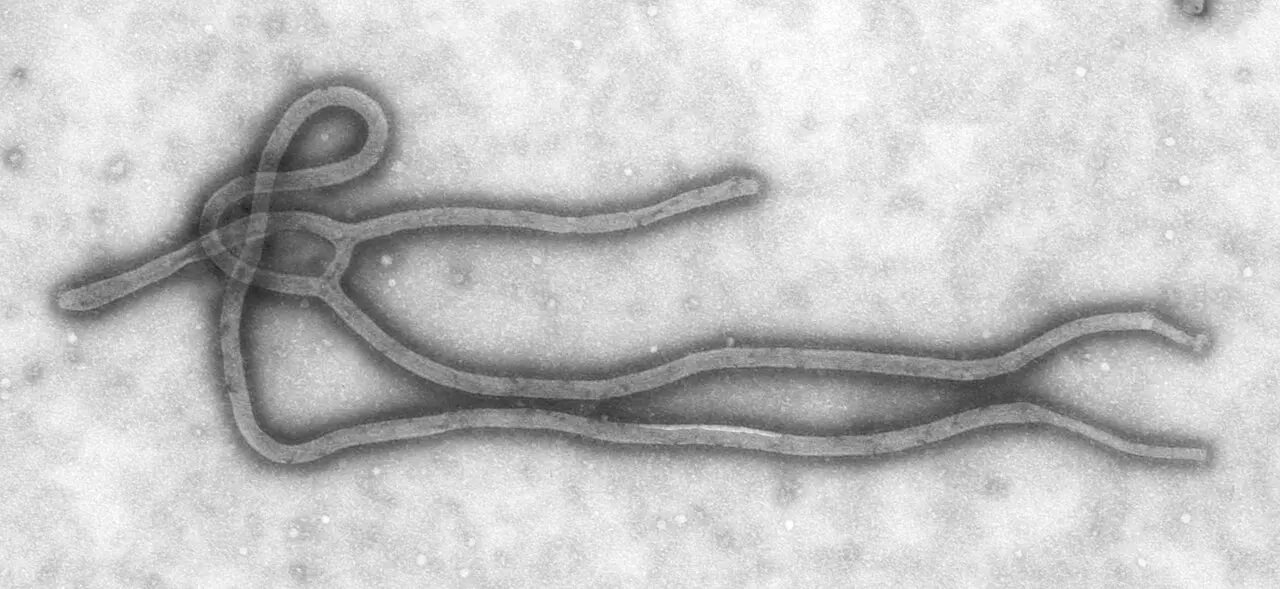
The Nigeria Centre for Disease Control (NCDC) has recorded no new confirmed Ebola case, 21 days after the detection of an imported Bundibugyo strain case. According to its Director-General, Jide Idris, 28 contacts remain under surveillance, while 34 others have completed their 21-day follow-up.
Nigeria has recorded no new confirmed Ebola case 21 days after the detection of an imported case of the Bundibugyo strain, according to the Nigeria Centre for Disease Control and Prevention (NCDC), which announced it on Tuesday in a public health advisory.
According to the NCDC Director-General, Dr Jide Idris, 28 contacts of the index case remain under surveillance, while 34 others completed their mandatory 21-day follow-up as of 9 November. In total, 62 contacts have been identified since the case was confirmed on 20 October in a traveller from Uganda. Dr Idris explains that being identified as a contact does not mean having contracted the disease.
The NCDC is working with the Federal Ministry of Health and Social Welfare, the Federal Capital Territory (FCT) Administration, state governments and development partners on surveillance, contact tracing, laboratory testing and infection prevention. It is investigating reported alerts and strengthening surveillance across the country.
Dr Idris urges health workers in public and private facilities to record patients' travel and exposure history and to report any suspected case to health authorities immediately. In the same advisory, the NCDC warns of outbreaks of Lassa fever, dengue, chikungunya, diphtheria and cerebrospinal meningitis. Diphtheria remains a persistent threat, especially among children who have not received their routine vaccinations, and the NCDC invites parents to check their children’s vaccination status. Dr Idris also warns that Nigeria is approaching the period when Lassa fever cases traditionally increase.
This update follows the imported case reported on 20 October, which led the country to follow people who had been in contact with the patient.