Djibouti sets costs for seven pillars of health plan
By the AFREEQUE newsroom, based on Rtd
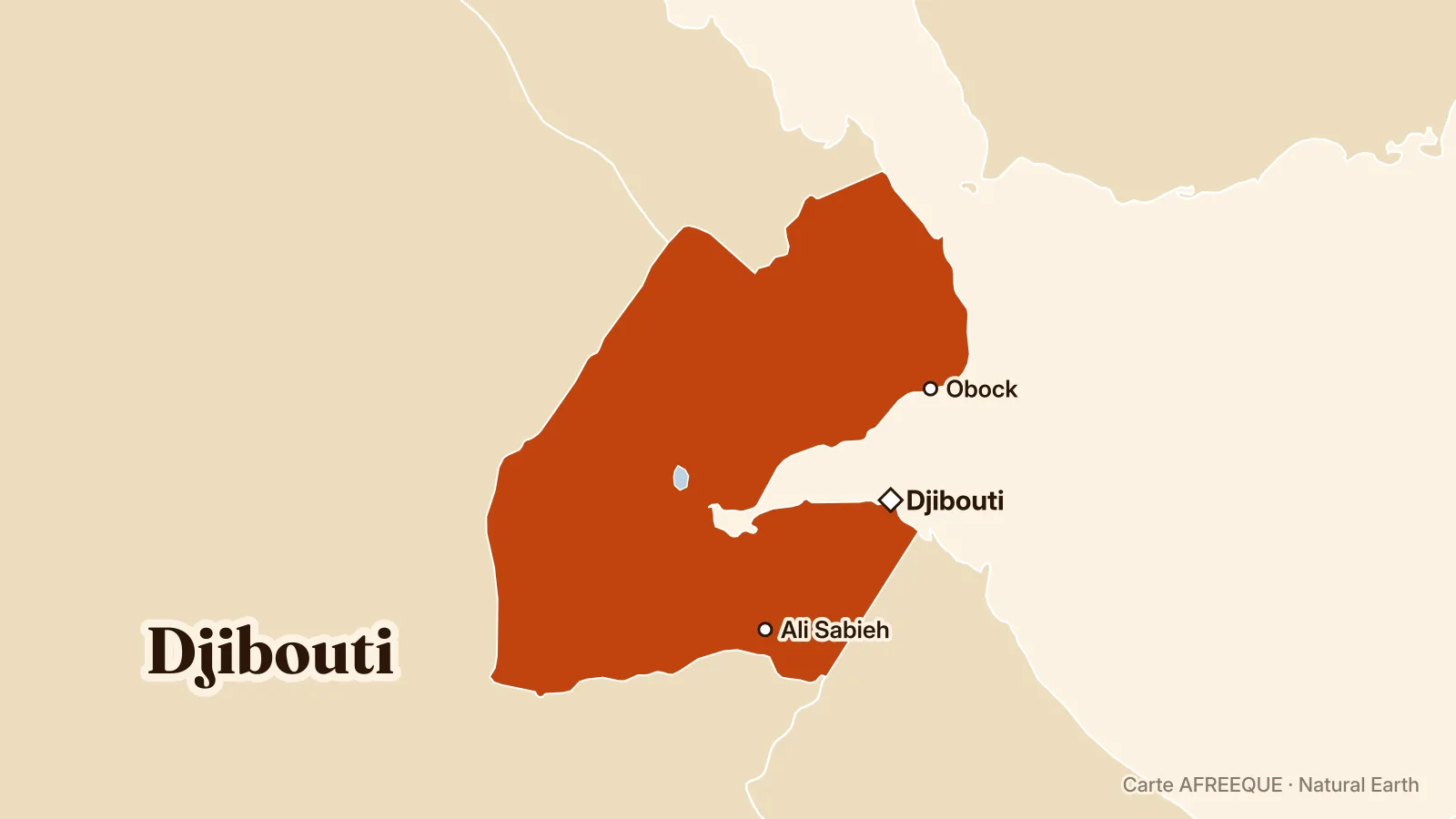
Djibouti’s Ministry of Health is costing the priority interventions in its new National Health Development Plan. The exercise is to assess the resources required for the plan’s seven strategic pillars amid an expected decline in external funding after 2030, according to Radio Television of Djibouti.
Djibouti’s Ministry of Health is costing the priority interventions under the seven strategic pillars of the new National Health Development Plan (PNDS) to estimate the resources needed for its implementation. The exercise is also intended to identify needs and funding gaps, according to the ministry.
The costing is intended to help prioritise investments and prepare budget planning aligned with the country’s health objectives. The PNDS is to guide the interventions of public and private sector actors as well as technical and financial partners, with the aim of improving equitable access to quality health services.
The ministry says the process is part of a sector reform context marked by the gradual adoption of programme-based budgeting, results-based management and the strengthening of health regions. The prospect of declining external funding by 2030 also makes the mobilisation of sustainable domestic resources a priority.
The costing is also intended to support the ministry’s dialogue with the Ministry of the Budget and financial partners, and to encourage more effective use of available resources.
Summary produced with the help of artificial intelligence tools, under AFREEQUE’s editorial responsibility.