

China remains on sidelines of Asian energy security plans
By the AFREEQUE newsroom, based on Atlantic Council Africa Center

China is taking little part in regional discussions on new energy security mechanisms, despite being the world’s largest oil importer. Its restrictions on fuel exports have notably disrupted supplies to Australia, which relied on China for nearly a third of its jet fuel imports in 2025, the Atlantic Council Africa Center reports.
China is not playing a leading role in discussions among Asian countries to strengthen energy security following supply disruptions in the Strait of Hormuz. While governments across the region are seeking to develop cooperation mechanisms, Beijing is prioritising its own energy needs, according to an analysis by the Atlantic Council Africa Center.
This approach has notably resulted in restrictions on Chinese exports of petroleum products. An initial ban on issuing export permits for almost all these products was introduced one week after US and Israeli strikes against Iran. Beijing subsequently eased some measures before restricting overseas sales again in October, following a significant decline in its reserves of diesel and other fuels.
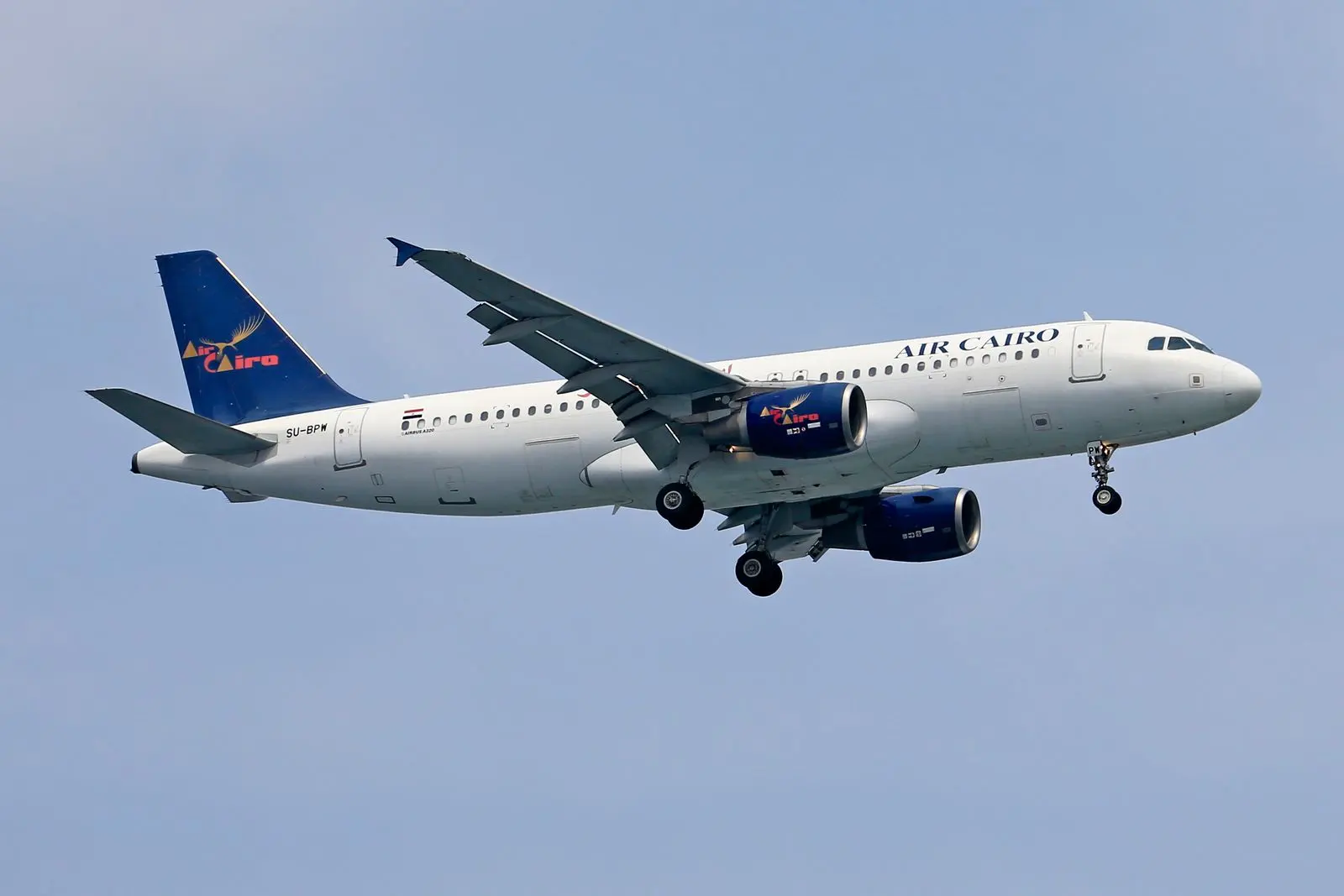
These changes directly affect neighbouring countries. In 2025, China accounted for nearly a third of Australia’s jet fuel imports. China’s ban on exports of this fuel in March forced Australian airlines to seek alternative suppliers. China nevertheless remains East Asia’s third-largest exporter of petroleum products, behind South Korea and Singapore.
The management of China’s reserves also influences international markets. Between 2025 and March 2026, purchases to build up stocks supported global oil demand. However, reduced refinery activity, caps on domestic fuel prices and trade restrictions subsequently contributed to an exceptional decline in crude oil imports between February and June 2026.
Beijing’s decisions are therefore complicating planning for other Asian importers, which are heavily dependent on hydrocarbons from the Middle East. Japan, in particular, normally buys more than 90% of its crude oil from the region. The Japan-ASEAN and Asia-Pacific Economic Cooperation (APEC) summits, held the week before this analysis, placed energy security at the centre of regional discussions.
This situation comes amid the shock caused by disruptions to traffic through the Strait of Hormuz, which the International Energy Agency described as unprecedented on 20 November. The International Energy Agency had then examined the impact of the crisis on energy supplies.