Antibiotic consumption rises by 52% in South Africa
By the AFREEQUE newsroom, based on TimesLIVE
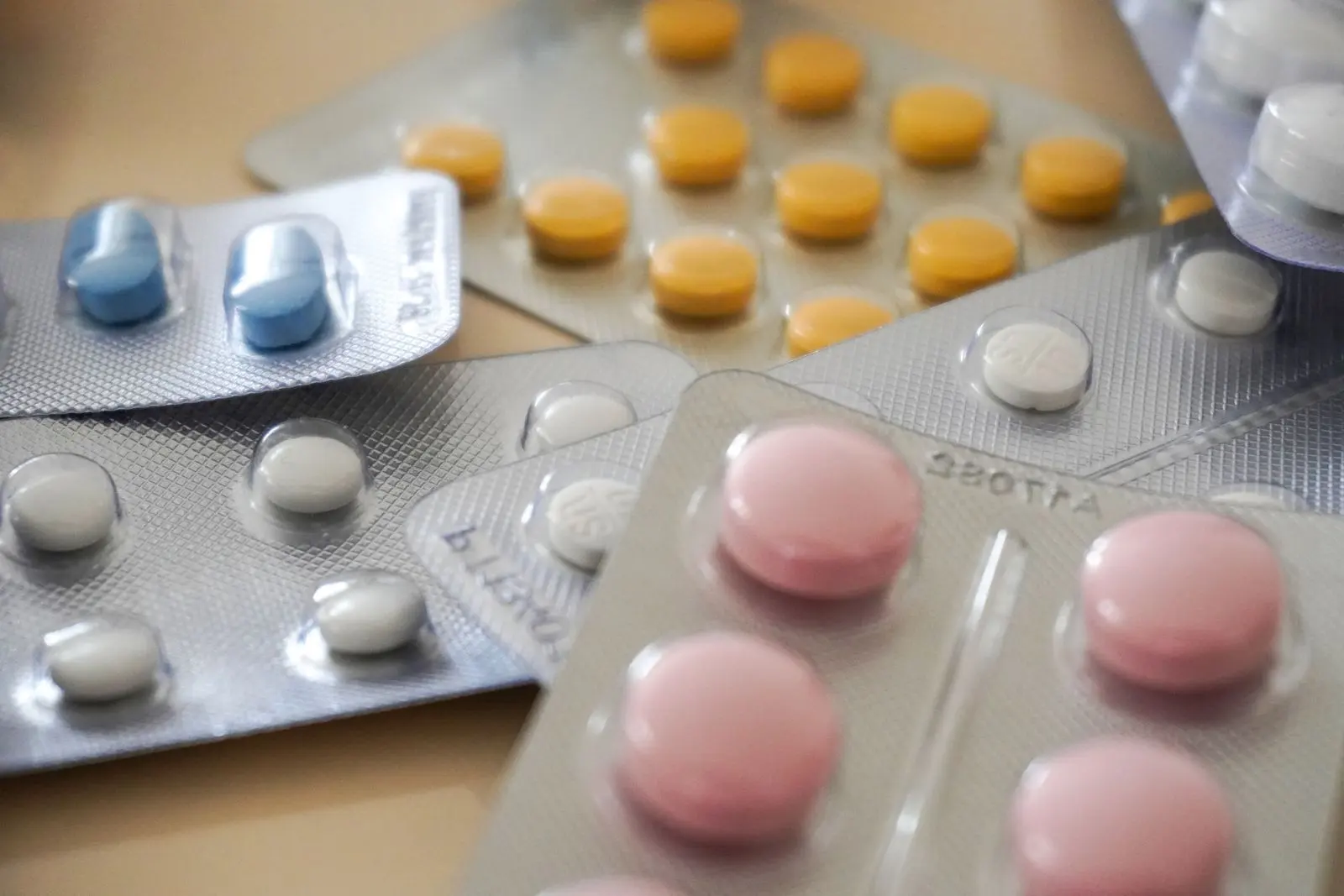 Illustrative image · mehmetography · Pexels · Licence Pexels
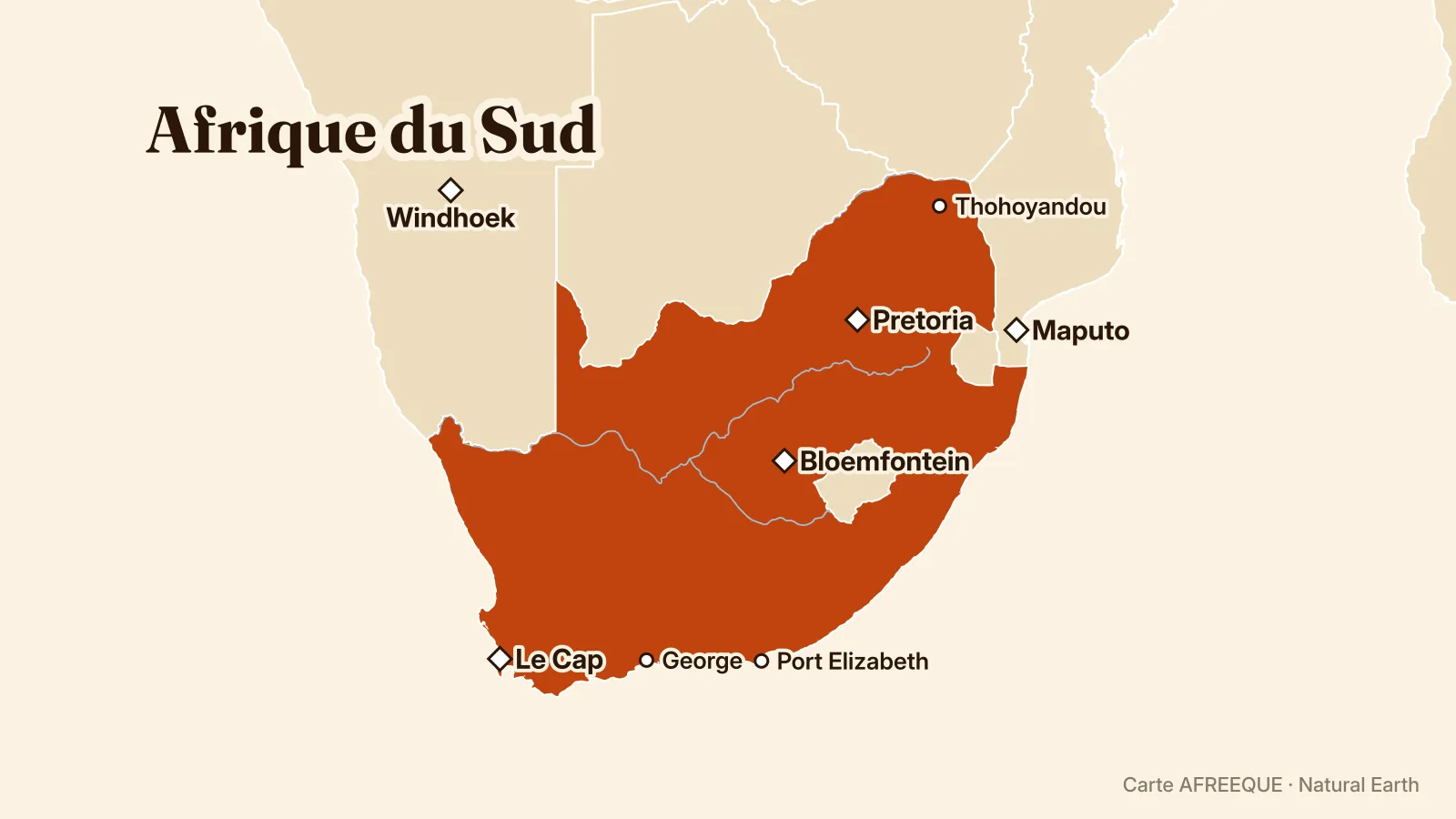
The Gauteng Department of Health is calling for inappropriate antibiotic use to be curbed, as consumption in South Africa increased by around 52% between 2020 and 2022. This trend fuels antimicrobial resistance and makes infections harder to treat, warns its spokesperson Steve Mabona, quoted by TimesLIVE.
Antibiotic consumption increased by around 52% in South Africa between 2020 and 2022, said Steve Mabona, spokesperson for the Gauteng Department of Health, quoted by TimesLIVE. The official is urging the public to use these medicines appropriately as antimicrobial resistance becomes a public health concern.
South African surveillance data also reveal worrying levels of resistance among bacteria responsible for serious bloodstream infections, Steve Mabona said. Resistance makes some infections harder to treat and can prolong hospital stays, intensify the treatment required and increase the risk of complications or death.
The spokesperson warned of the consequences for routine medical procedures, including operations, organ transplants and cancer treatments. Resistance can reduce the number of antibiotics effective against infections occurring during these forms of care, he explained.
Steve Mabona advises against taking antibiotics for flu or colds, sharing medicines or using leftover drugs from previous prescriptions. He recommends consulting a healthcare professional, completing the prescribed course of treatment and returning unused medicines to a pharmacy or healthcare facility. Antibiotics work against bacteria, but not viruses, he recalled.