Angola inflation expected to fall to 10.6%, paving way for rate cuts
By the AFREEQUE newsroom, based on Mercado
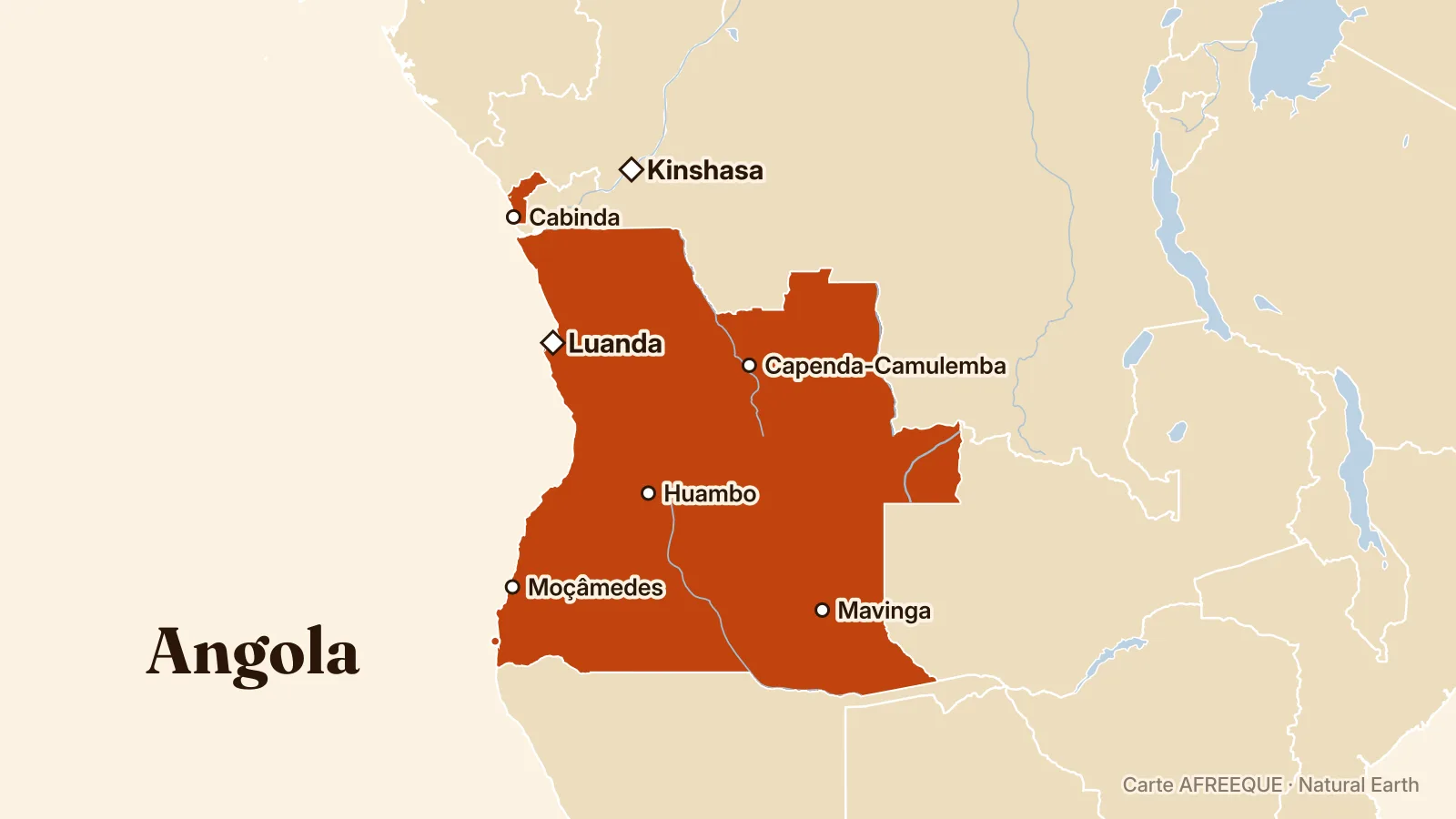
Oxford Economics forecasts average inflation of 10.6% in Angola this year, down from 20.2% in 2025, and says another policy rate cut in November is likely. The reduction could reach 50 to 75 basis points if the kwanza remains stable, while annual inflation fell to 8.4% in September, according to the consultancy cited by Mercado.
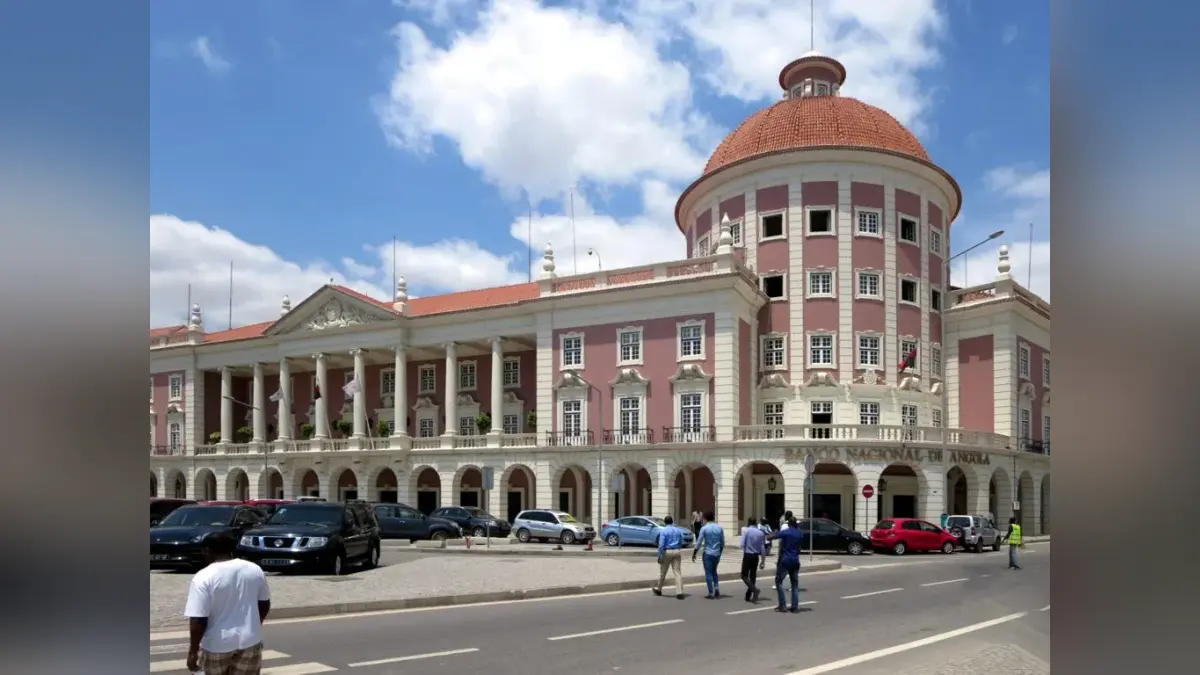
Average inflation in Angola is expected to stand at 10.6% in 2026, down from 20.2% in 2025, according to forecasts by Oxford Economics, a British economic analysis firm. This slowdown could allow the National Bank of Angola (BNA) to cut its policy rate again in November, probably by 50 to 75 basis points if the kwanza remains stable, the firm estimates.
The BNA has already cut its rate by 125 basis points in July, then by 100 points in September, to 14.75%, its lowest level since 2016. Year-on-year inflation reached 8.4% in September, marking its 26th consecutive month of decline and its lowest level in more than a decade. September’s annual inflation was reported at 8.43% in Angola, according to [an earlier assessment]( /news/angola-l-inflation-annuelle-recule-a-8-43-en-septembre-2).
Oxford Economics nevertheless forecasts that average inflation will rise to 13.3% in 2027. The firm cites the expected rise in food prices linked to the El Niño climate phenomenon, public spending in an election year and a possible depreciation of the kwanza. Food already accounts for more than two-thirds of total inflation.
Disinflation is accompanied by sustained economic growth: gross domestic product grew by 8.74% year on year in the second quarter, while the non-oil sector expanded by 9.24%. Secretary of State for Finance and the Treasury Ottoniel dos Santos said the trend could allow the BNA to adopt a full inflation-targeting regime as early as 2027.
Summary produced with the help of artificial intelligence tools, under AFREEQUE’s editorial responsibility.