
















Zimbabwe adopts charter imposing ethics and transparency on AI
By the AFREEQUE newsroom, based on 263Chat
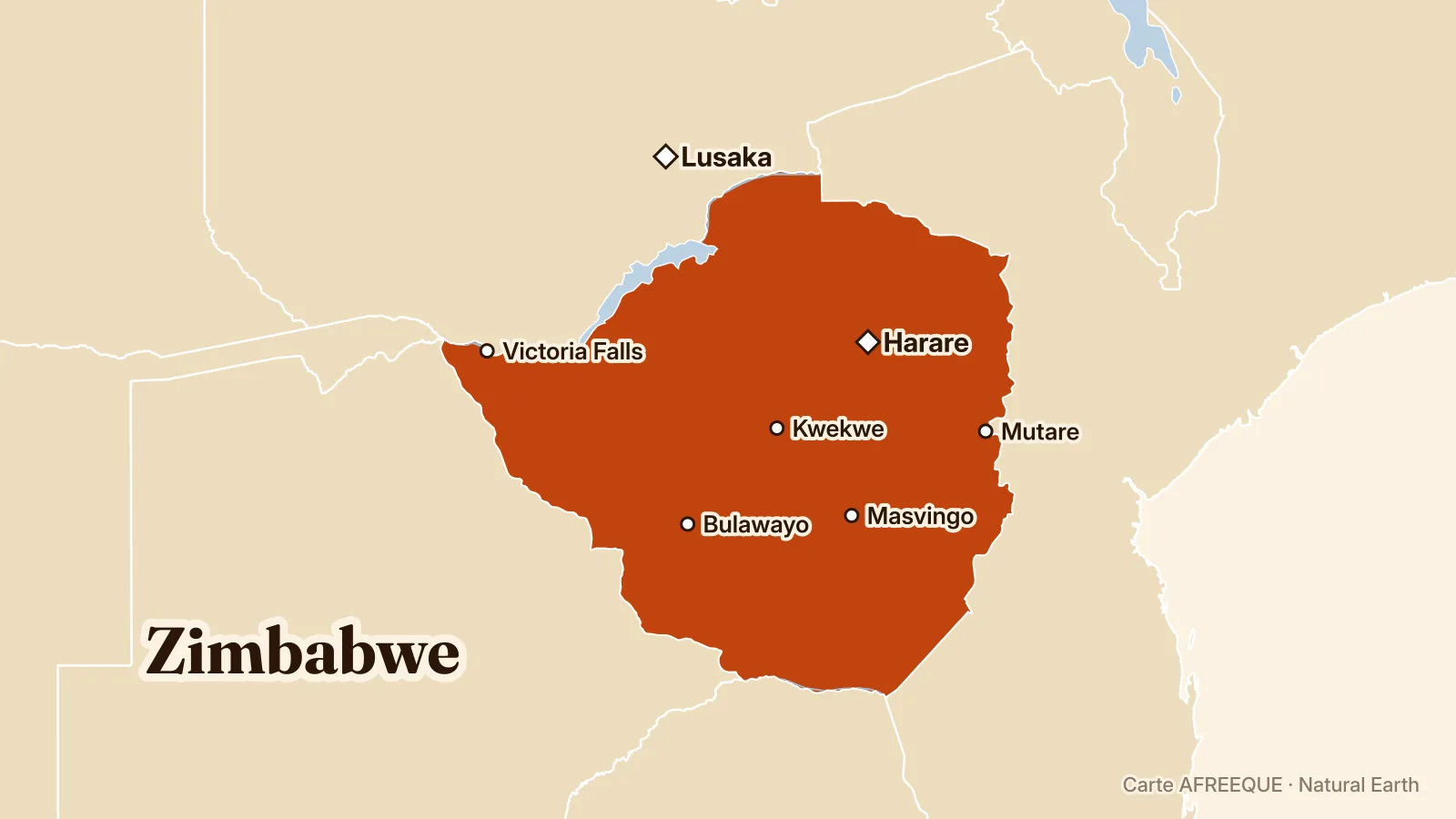
Zimbabwe’s Cabinet has approved a national charter setting binding ethical principles for AI, implementing the 2026–2030 strategy launched in March. According to Information Minister Zhemu Soda, the text establishes monitoring and complaints-handling structures and involves businesses, universities and civil society, according to 263Chat.
The Zimbabwean government has approved a national charter to regulate the development and use of artificial intelligence (AI), with requirements relating to ethics, transparency and accountability, Information, Publicity and Broadcasting Services Minister Zhemu Soda announced at a press briefing following a Cabinet meeting.
The framework is intended to specify how the National Artificial Intelligence Strategy 2026–2030, launched in March 2026 by President Emmerson Mnangagwa, will be implemented. According to Zhemu Soda, the charter sets binding principles to ensure that AI systems are developed and used in accordance with human rights, national values and the Constitution. It is also intended to promote inclusive access to these technologies.
The minister described the charter as a collective commitment involving the state, businesses, universities, civil society organisations and the public. The framework provides for the establishment of structures responsible for overseeing AI-related activities, coordinating the implementation of the rules and handling complaints concerning the use of these technologies.
The government thus intends to integrate artificial intelligence into Zimbabwe’s socio-economic development objectives while drawing on the principles of Ubuntu/Unhu, which emphasise collective responsibility and relationships between individuals.