
























World Bank urges Algeria to stabilise energy revenues
By the AFREEQUE newsroom, based on Maghreb Emergent, TSA, Echorouk, Algérie Eco and Algérie 360
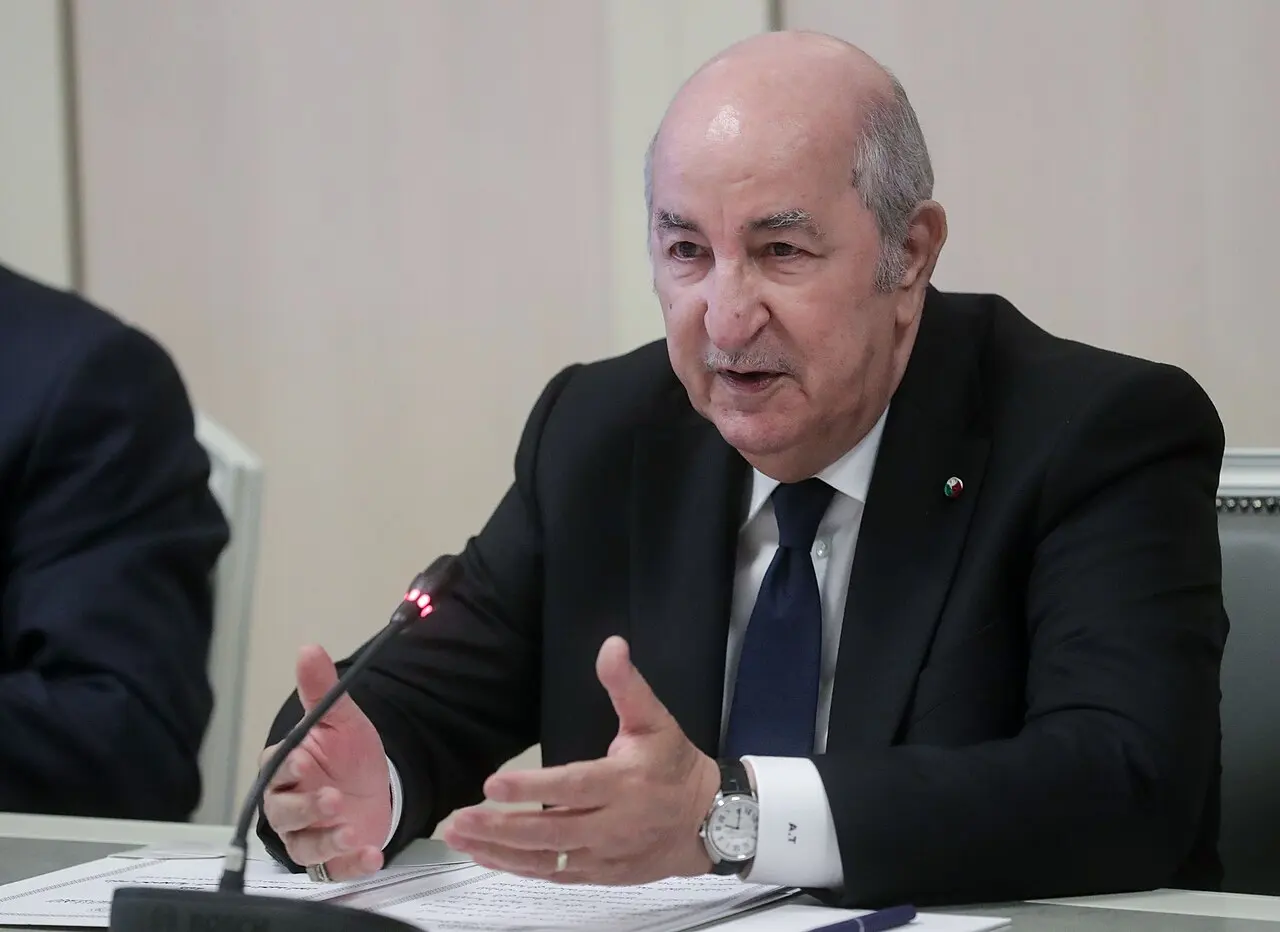
 Illustrative image · raouf bedrani · Pexels · Licence Pexels
The World Bank is urging Algeria to strengthen its public finance stabilisation mechanisms to limit its exposure to fluctuations in energy revenues. Growth reached 3.8% in 2025, including 4.2% outside the hydrocarbons sector, while inflation fell to 1.4%, according to TSA and data from the institution’s report. The growth forecast for 2026 stands at 3.7%.
Algeria’s budget deficit fell from 14% of GDP in 2024 to 10.4% in 2025. The World Bank attributes this improvement in particular to increased revenue generated outside the hydrocarbons sector, notably dividends distributed by state-owned companies. The current account deficit, meanwhile, had reached 25.3 billion dollars in 2025.
Inflation also fell to 1.4% over the whole of 2025, before rising to 5.3% in the first half of 2026, notably as a result of higher prices for manufactured goods. This marked a reversal after several months of slowing price increases.
Djamila Hajaïb-Oglo, the World Bank’s resident representative in Algeria, believes the country has the foundations needed to develop a more diversified and competitive economy. However, she emphasises the importance of public policy decisions and continued reforms to sustain this momentum over time. Amal Hanider, the institution’s economist responsible for Algeria, also considers the reduction in the budget deficit an encouraging sign of the mobilisation of resources beyond hydrocarbons.
For 2026, the World Bank forecasts a 3.8% increase in hydrocarbon production, supported by the easing of quotas decided under OPEC. This recovery is expected to partly offset the anticipated slowdown in non-hydrocarbon activities.