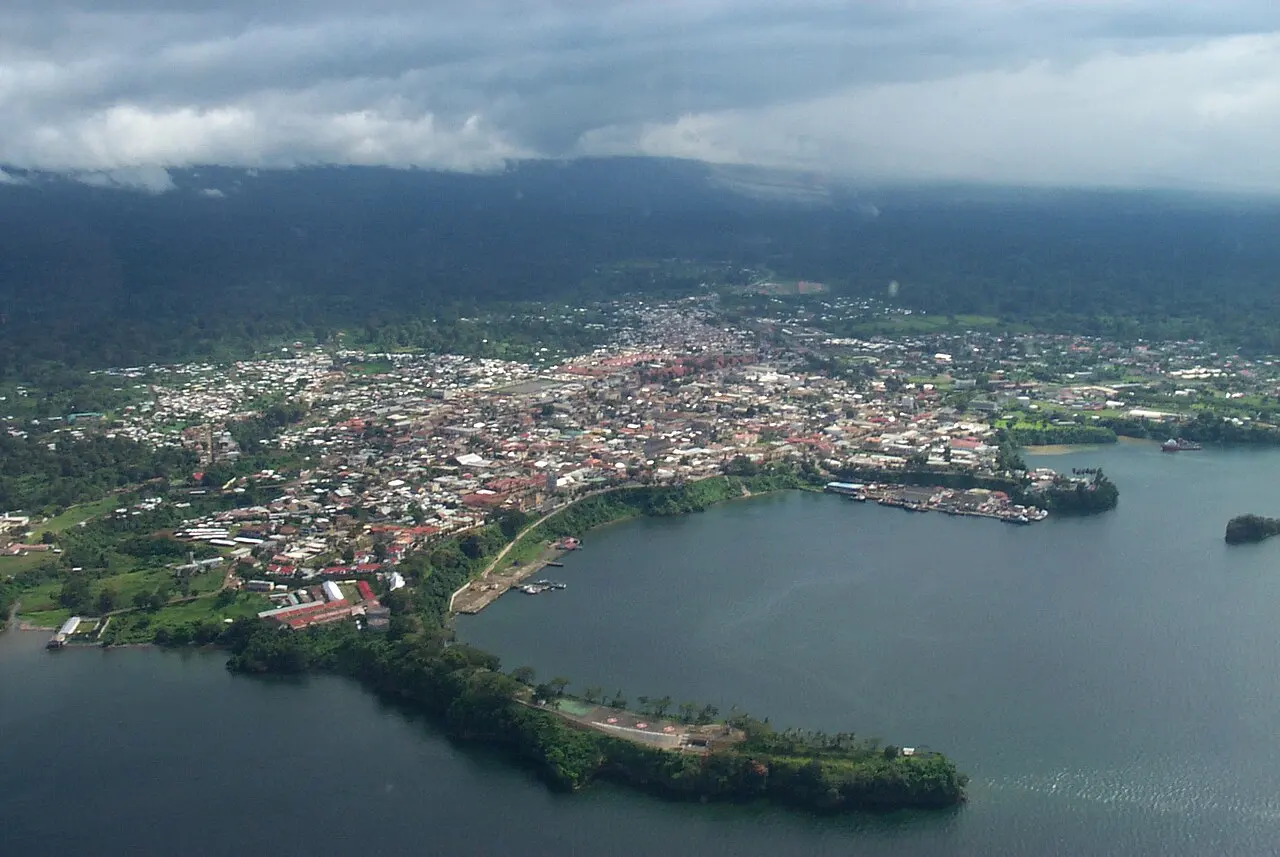
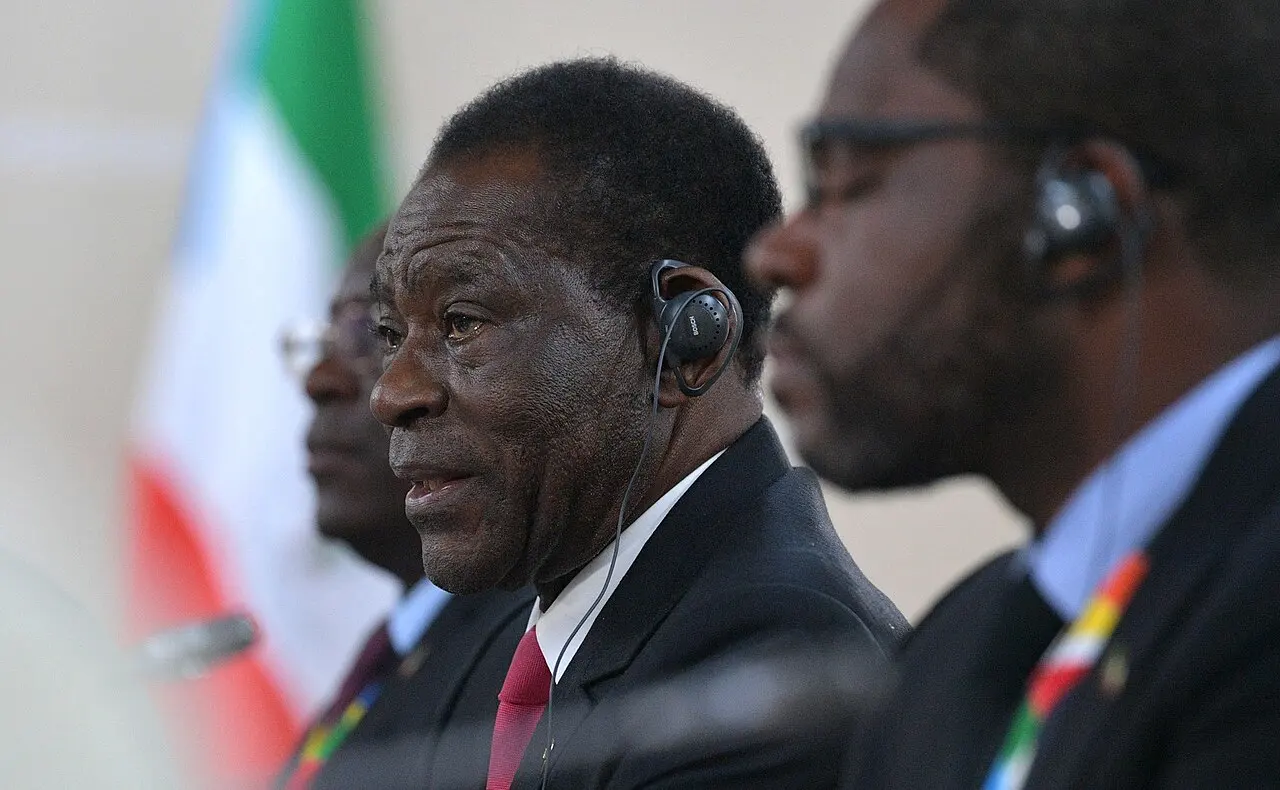
West and Central African ports issue final declaration in Equatorial Guinea
By the AFREEQUE newsroom, based on Real Equatorial Guinea
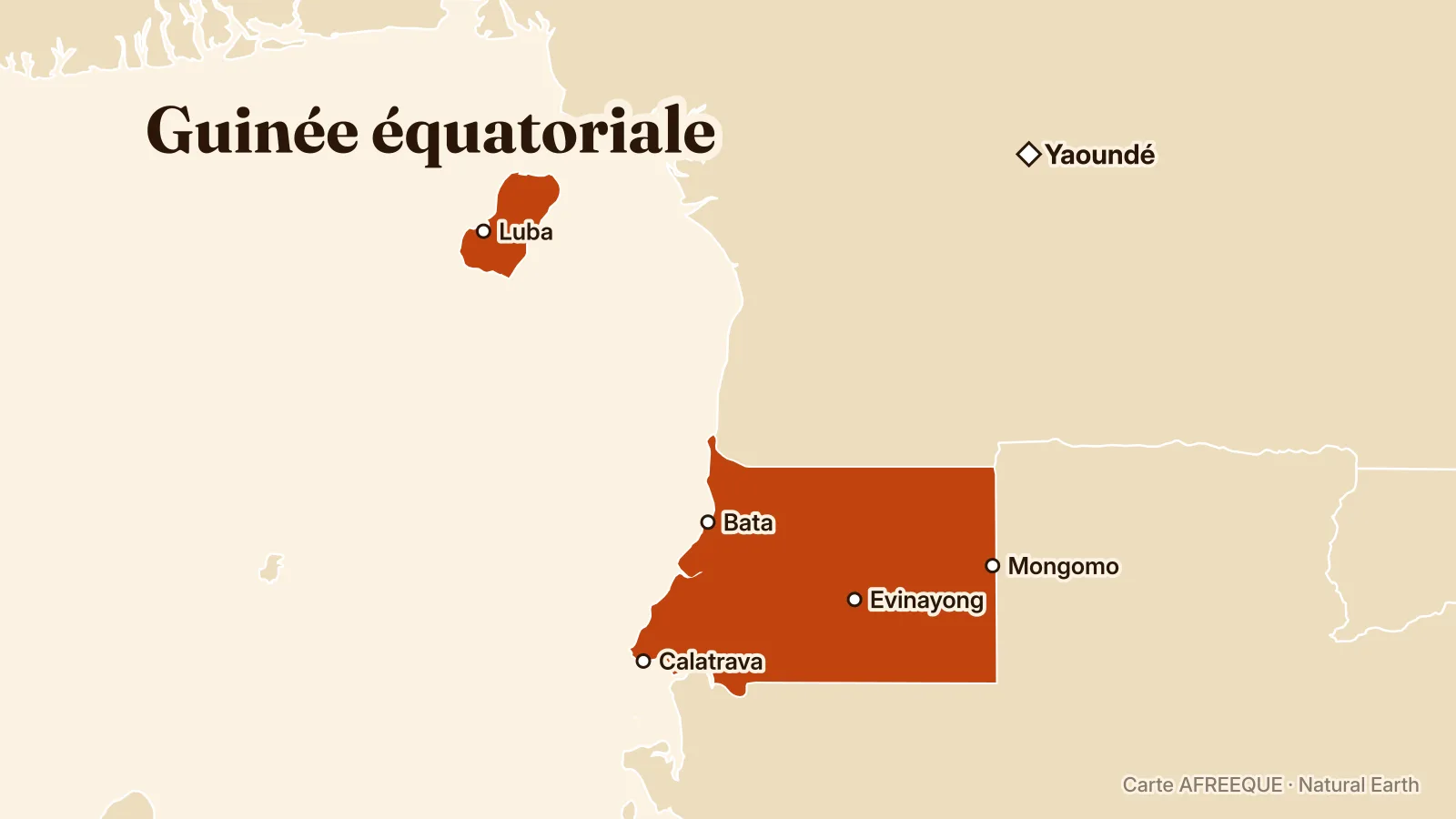
The 46th annual meeting of the Association of African Ports of West and Central Africa (AGPAOC) has concluded in Sipopo, Equatorial Guinea. Its final declaration commits member states to making ports more resilient, sustainable and digital, according to Real Equatorial Guinea.
The 46th annual meeting of the Association of African Ports of West and Central Africa (AGPAOC) and the 4th International Forum on the Blue Economy ended on Friday 20 November in Sipopo, Equatorial Guinea, with the presentation of a final declaration on regional maritime priorities. The organisation’s Secretary-General, Jean-Marie Koffi, outlined the commitments agreed after five days of discussions attended by more than 400 participants, according to Real Equatorial Guinea.
The recommendations include modernising port infrastructure, the energy transition, digitising services and developing trade between African countries. Member states also agreed to strengthen technical cooperation in response to the consequences of climate change.
The new president of AGPAOC, Aly Koïta, who heads the autonomous port of Conakry in Guinea, called on African countries to coordinate their efforts to improve the competitiveness of their maritime facilities. He referred in particular to reducing logistical barriers and improving trade connections with international markets.
José Mba Abeso, Executive Secretary of the Gulf of Guinea Commission, stressed that maritime security and surveillance were essential conditions for investment and the sustainable exploitation of ocean resources. Equatorial Guinea’s Minister of the Environment and Blue Economy, Fidel Esono Mba Eyono, for his part, identified six priority areas, including maritime governance, the protection of coastal ecosystems and smart infrastructure. The closing ceremony also recognised several ports in the region, notably those of Malabo and Bata, for their progress in modernisation and operational capacity.