Vermicomposting turns agricultural waste into fertiliser
By the AFREEQUE newsroom, based on Iwacu
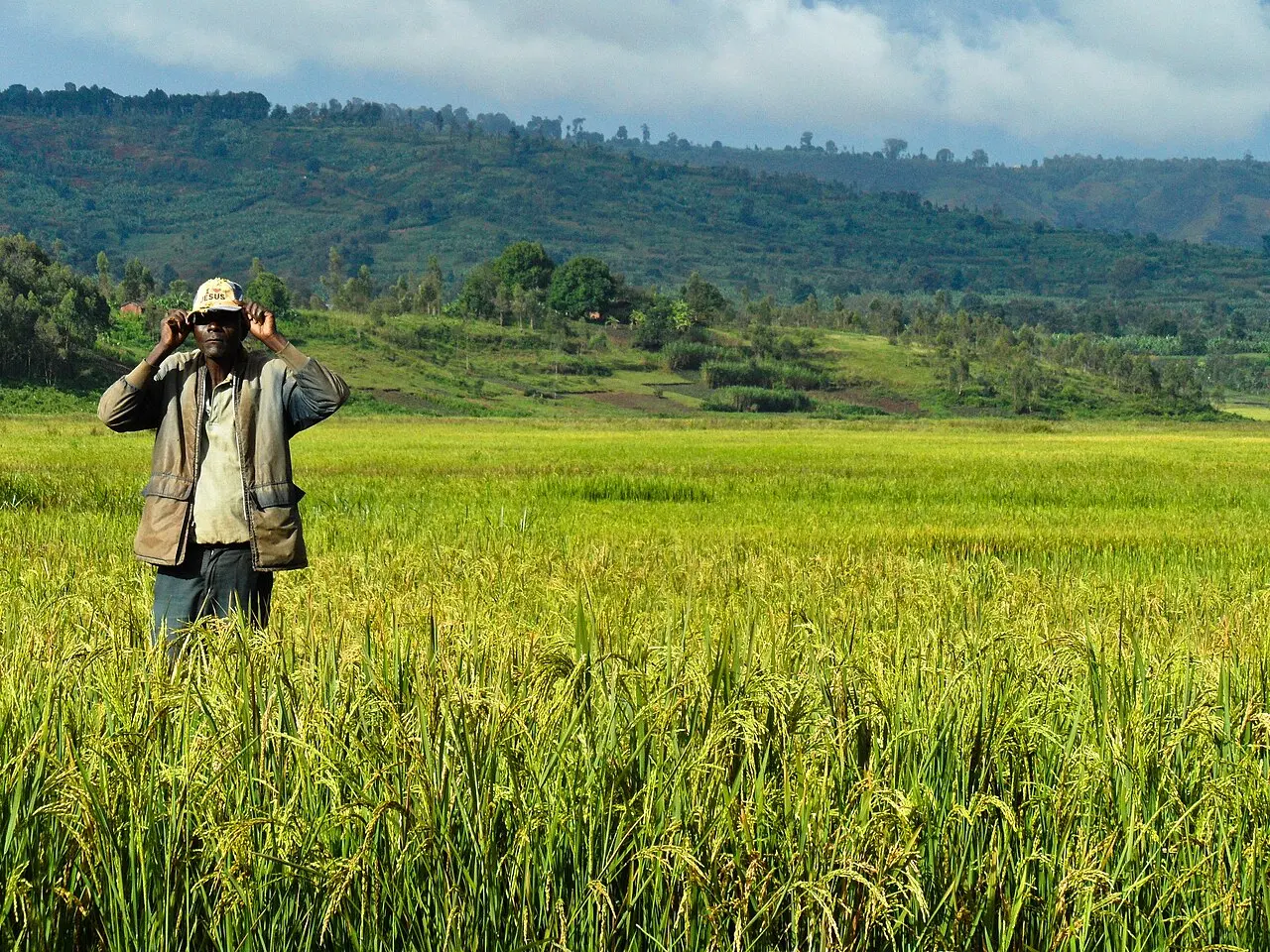
Vermicomposting uses earthworms and micro-organisms to turn agricultural and agri-food waste into nutrient-rich compost known as vermicompost. Burundian researcher Eric Kazitsa outlines the three stages of production and recommends a substrate with a pH between 6 and 8, according to Iwacu.
Vermicomposting makes it possible to produce organic fertiliser from agricultural residues and waste generated by food processing. The process relies on the combined action of earthworms and micro-organisms, explains Dr Eric Kazitsa, a lecturer and researcher in the Department of Natural Sciences at the École normale supérieure du Burundi.
Vermicompost production involves three stages: pre-composting, active decomposition and maturation. During the first stage, the waste is dried to increase its carbon content. Adding cow dung also enriches the mixture with nitrogen. Materials that are too acidic, particularly certain citrus residues, must be treated before use. According to Dr Eric Kazitsa, worms thrive in an environment with a pH between 6 and 8.
During the active stage, the worms colonise the substrate, ingest it and break it down. They produce castings, which contribute to the decomposition of organic matter. During maturation, these residues form a stable, nutrient-rich material that is ready to be harvested and used to fertilise soils.
The choice of worms is another determining factor. Dr Eric Kazitsa recommends species capable of consuming different types of organic matter, reproducing quickly and tolerating temperature variations. An individual can lay eggs two to three times a week and produce more than 20 offspring in a month when breeding conditions are favourable. These worms remain active at temperatures between 20 and 30 degrees Celsius and are found in Burundi, according to the researcher.