






















Trump may suspend strikes on Iran without fresh provocation
By the AFREEQUE newsroom, based on Sowetan, La Nouvelle Tribune and TimesLIVE
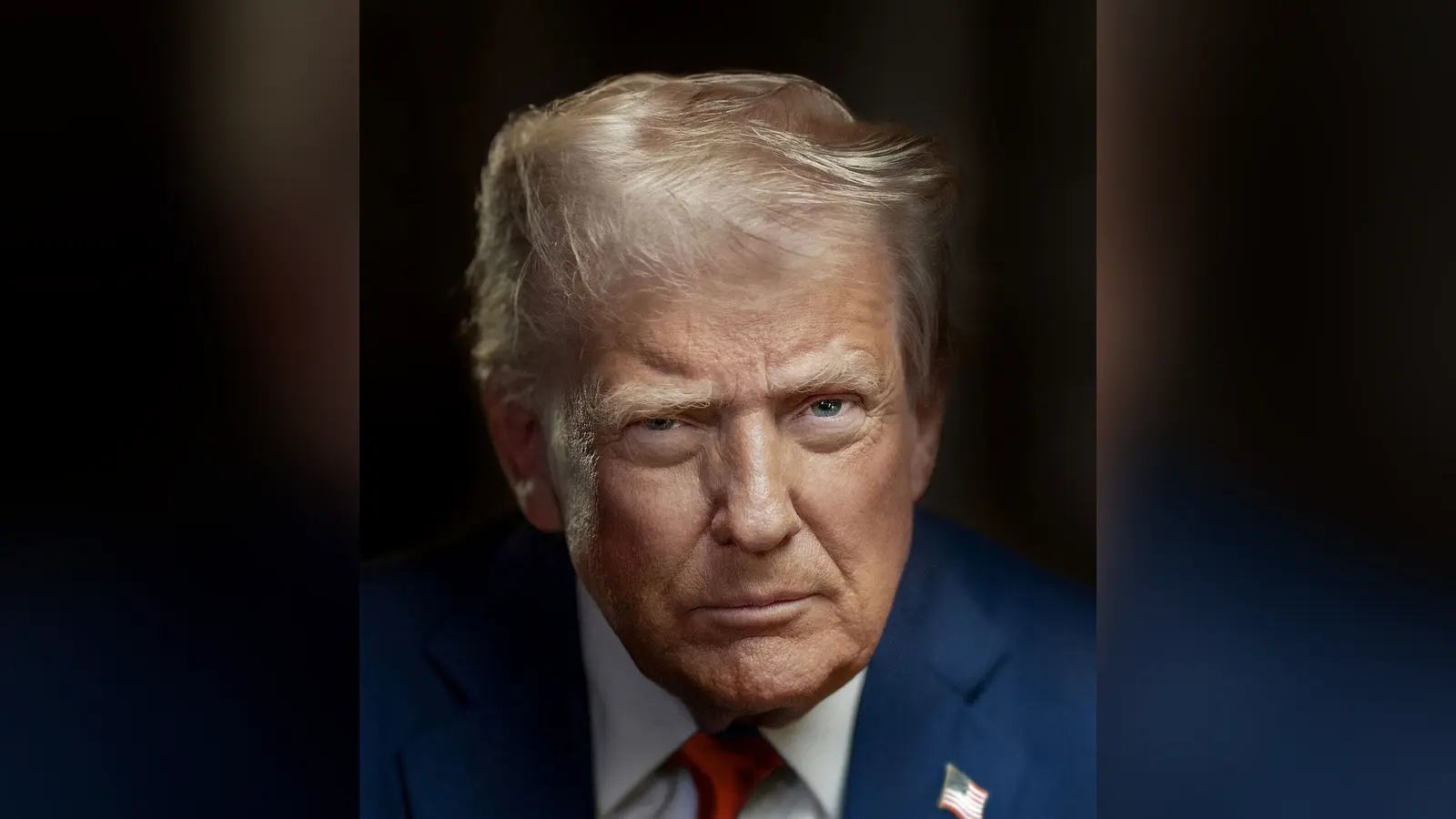
Donald Trump could postpone new strikes against Iran as long as Tehran and the Houthis in Yemen launch no new provocations against the United States, according to Sowetan, which cites three people familiar with the matter. The president has not yet settled on how to end the conflict, which began in February with Israel.
During meetings with his national security advisers, and then after a series of intelligence briefings, Mr Trump said he was considering postponing the strikes, according to people familiar with the matter. On Thursday, he told sports presenter Stephen A. Smith that he could end the war immediately, but that he prefers a slower route, at the request of the countries he intends to protect. He had already announced a pause in the bombing on 2 August, then described the war as ‘militarily finished’ on 10 November.
Over the past two weeks, Mr Trump has sought the views of Saudi Crown Prince Mohammed ben Salmane and Turkish President Tayyip Erdogan, who both urged him not to resume the attacks, without him committing one way or the other. On 31 October, he told the crown prince that he intended to attack after the elections; the crown prince argued for waiting, believing that economic sanctions against Tehran were working. According to the Turkish presidency, Mr Trump has spoken three times to Mr Erdogan since 28 October, and the readout of the 7 November call stresses the need to end tensions.
US intelligence assessments suggest that the naval blockade and sanctions are hitting Iran’s economy. According to two US officials, new strikes would not significantly change Iran’s demands in a negotiation. Mr Trump could also target Iran’s underground nuclear facilities, which have already been hit, but the effectiveness of a new operation remains uncertain. Another person briefed says long-range precision munitions, widely used since the summer, have not been replenished; the White House insists the military has sufficient munitions.
People familiar with US planning say the military can escalate if needed: a third aircraft carrier is due to join the Middle East in the coming days, and all three could remain in the area. Israeli officials continue to push the administration to launch a new military campaign, according to a US official.
The war has pushed up global fuel prices and weighs on public opinion: a poll conducted shortly before the 3 November midterm elections found that 55% of Americans think it is not worth its cost. Democrats won control of Congress, and Vice-President JD Vance attributes the Republicans' setback to this conflict. In a post on Thursday, Mr Trump wrote: ‘We don’t need a deal with Iran’. The White House, for its part, says he remains the sole decision-maker and that the United States is in a position of strength thanks to its control of the Strait of Hormuz.