































Taro has a low glycaemic index for people with diabetes
By the AFREEQUE newsroom, based on La Nouvelle Tribune
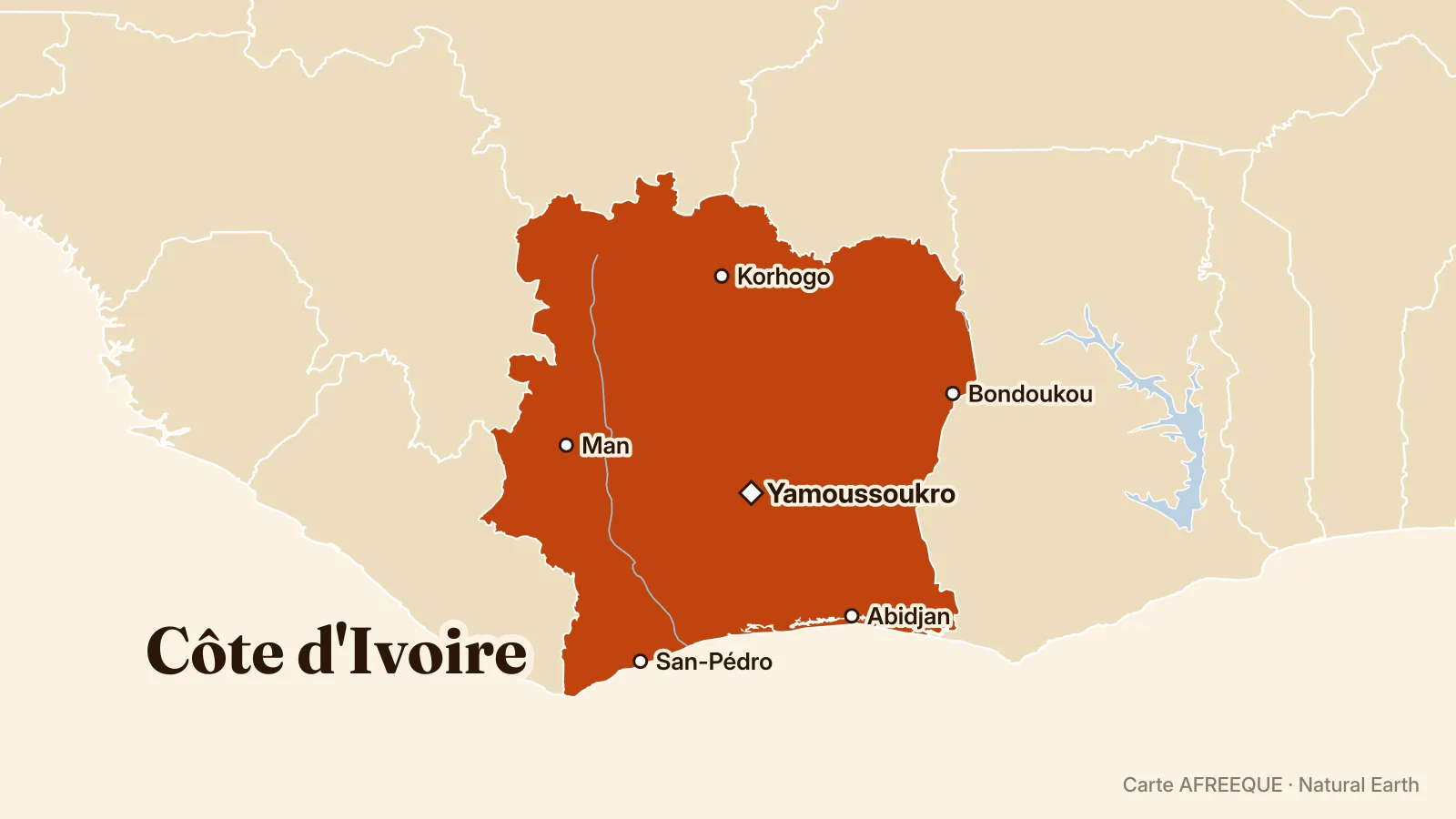
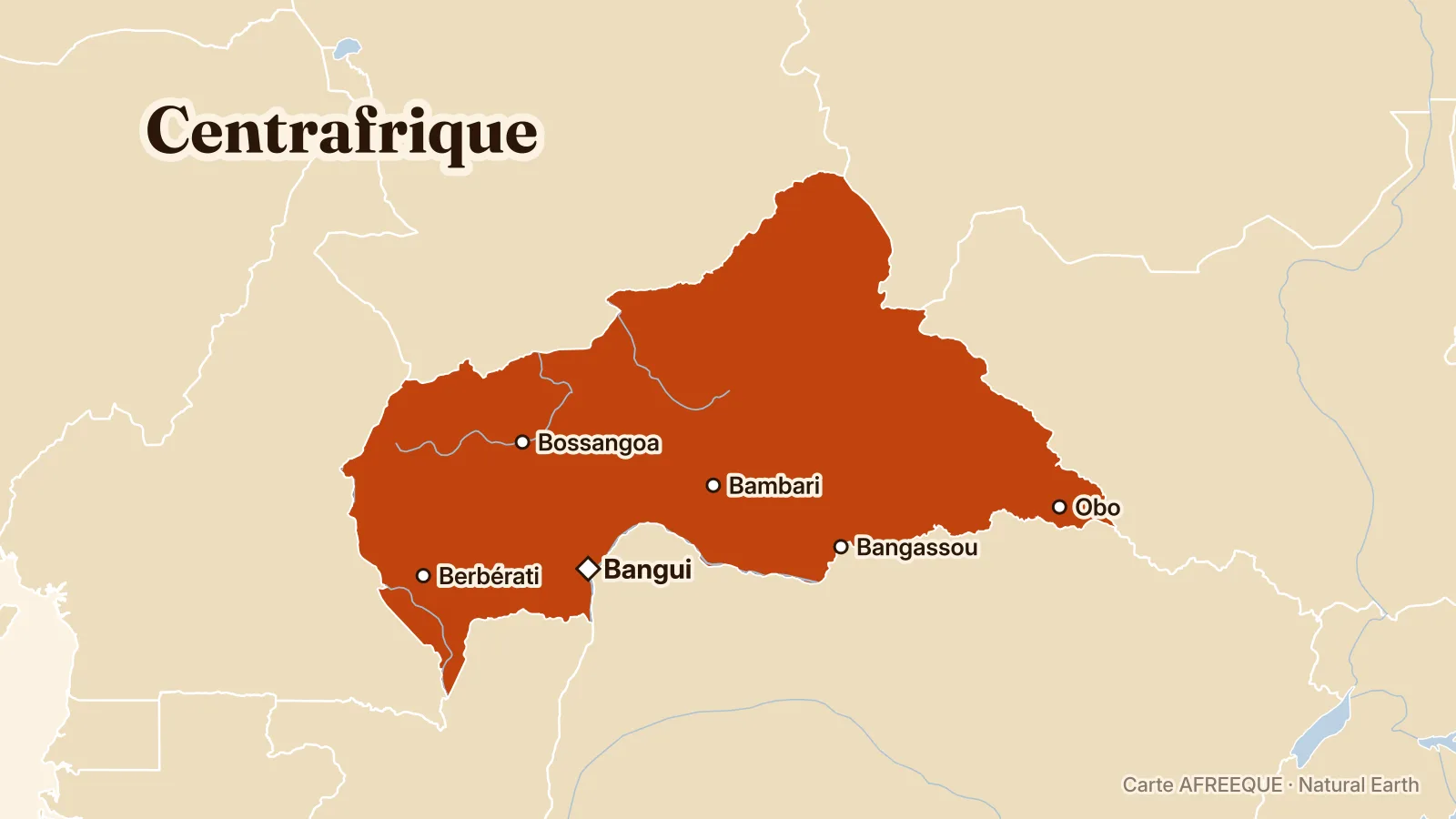
Taro (Colocasia esculenta) is described as a tuber domesticated nearly 9,000 years ago and with a low glycaemic index, making it potentially suitable for a diet adapted to diabetes. A staple food in Ivory Coast, Burkina Faso, Madagascar and the Central African Republic, it remains little known in the West, according to the article.
Taro, scientifically known as *Colocasia esculenta*, has been cultivated for nearly 9,000 years. This tuber, which belongs to the Araceae family, is now a staple food in Ivory Coast, Burkina Faso, Madagascar and the Central African Republic.
The plant is also known by several local names, including Kudubbadé, diabéré and makani. It is believed to have been domesticated independently in two centres: northern India and New Guinea, before spreading to other regions.