Sexual assaults in Nigeria: FIDA warns of weak investigations
By the AFREEQUE newsroom, based on Leadership
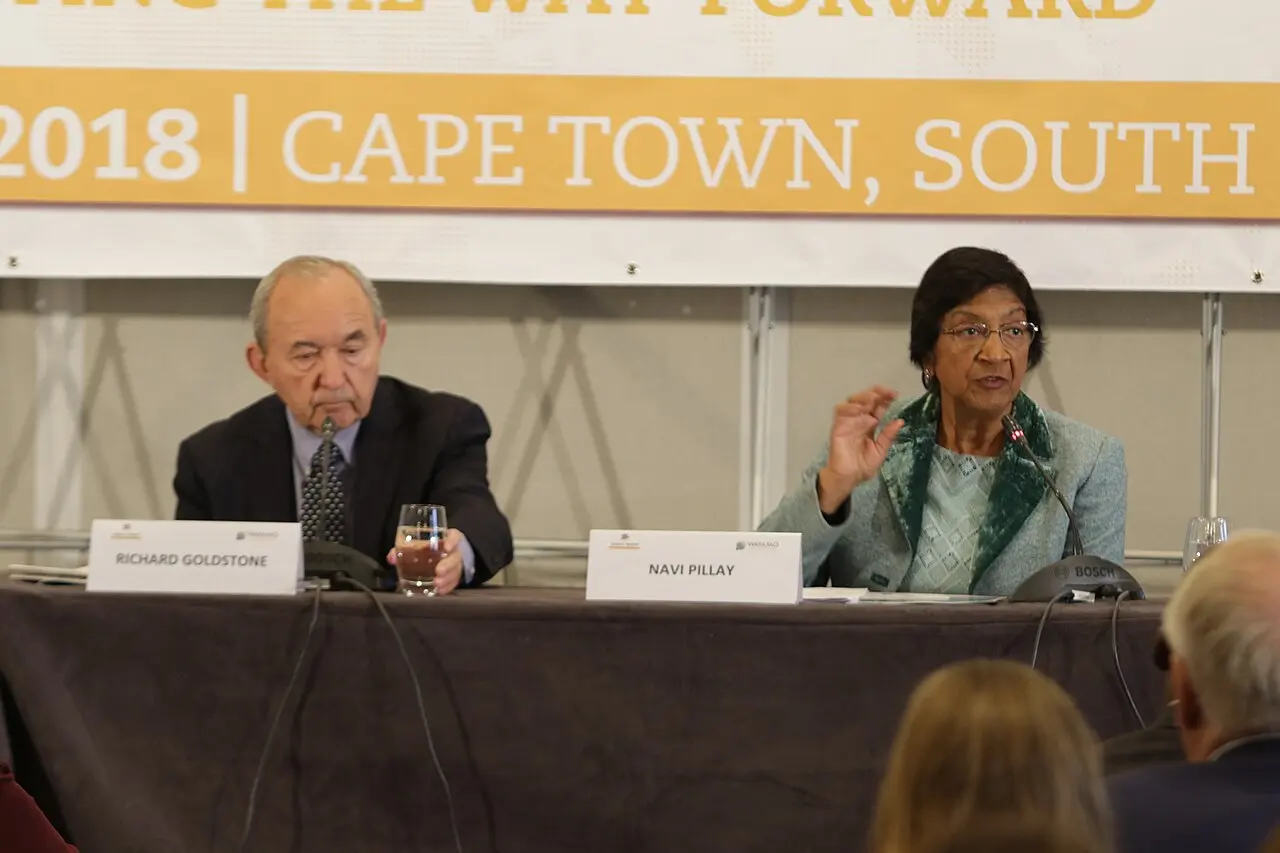
Chioma Onyenucheya-Uko, president of the International Federation of Women Lawyers (FIDA), highlights inadequate investigations, poor evidence handling and fear of stigma as factors holding back victims in Nigeria. In the case involving the Emir of Daura, she warns against reaching conclusions before the investigation is complete, stressing that consent must be voluntary and revocable, according to Leadership TV.
Chioma Onyenucheya-Uko, president of the International Federation of Women Lawyers (FIDA), says investigations into sexual assaults in Nigeria remain weak. She cites poor evidence handling, the stigmatisation of victims and intimidation. According to her, many survivors remain silent or abandon their cases for fear of not being believed, being humiliated or being rejected by their community or workplace.
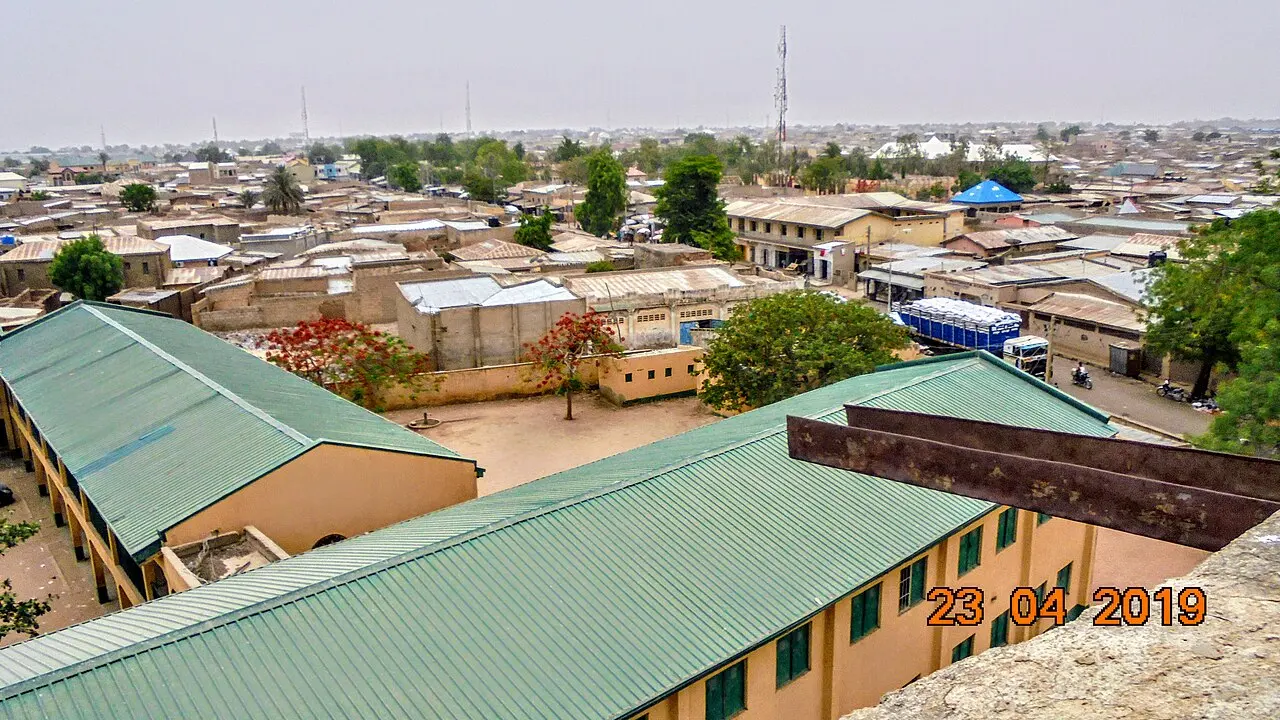
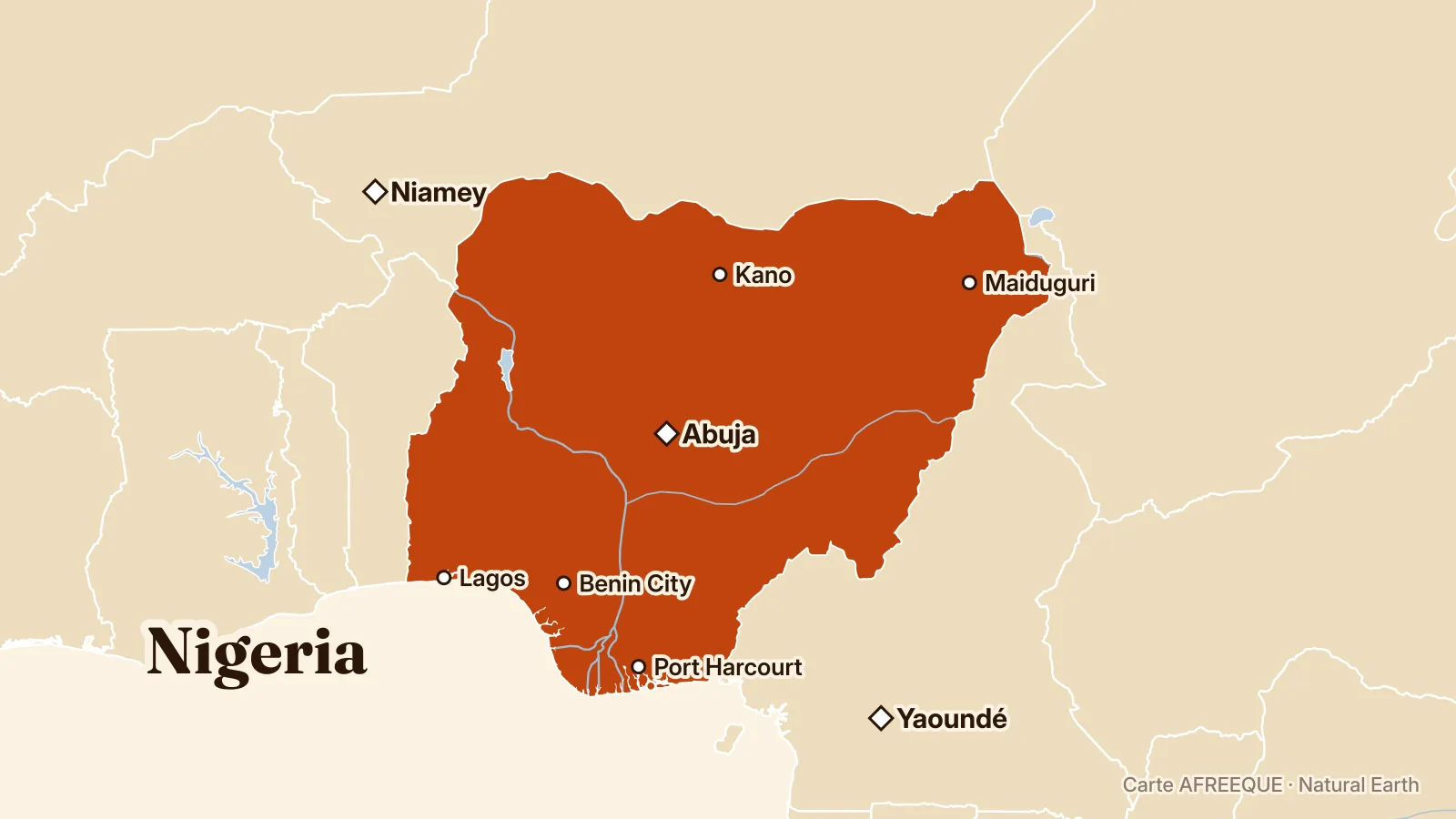
During an interview on Leadership TV, she discussed the sexual assault allegation involving the Emir of Daura, the traditional ruler of the town in Katsina State, in the north of the country. She welcomed the suspension of his official engagements and the establishment of an investigative commission, while calling for a clear outcome. She warned against reaching any conclusions before the investigation is complete, stressing that the accused is entitled to due process and the presumption of innocence.
On consent, she said that a woman visiting a man or agreeing to physical contact does not give blanket consent to sexual intercourse. Consent must be freely given, specific and may be withdrawn at any time. She also pointed to weaknesses in the collection, preservation and presentation of evidence, which can jeopardise prosecutions. According to her, judicial failures should not be blamed solely on the courts, and procedures should limit repeated questioning of victims. She also cited measures taken in Katsina State to tackle gender-based violence, including the adoption of a law against violence against persons.
The case dates back to 24 November, when the Emir of Daura was suspended following a sexual assault complaint. Nigeria opened an investigation on 25 November. Katsina State subsequently established an investigative commission on 26 November.