Senegalese MPs uphold mandatory budgetary controls
By the AFREEQUE newsroom, based on Seneweb, Senego, Dakaractu and Le Soleil
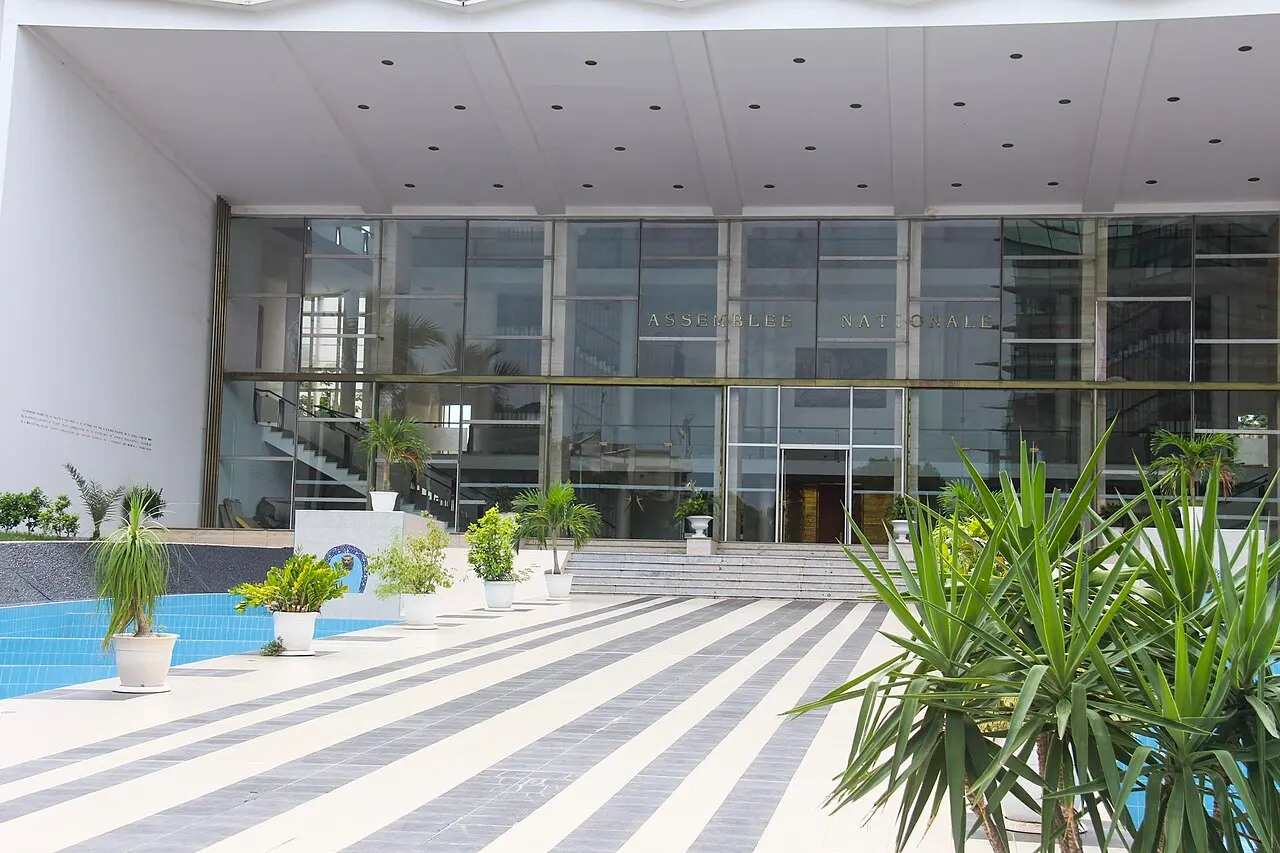
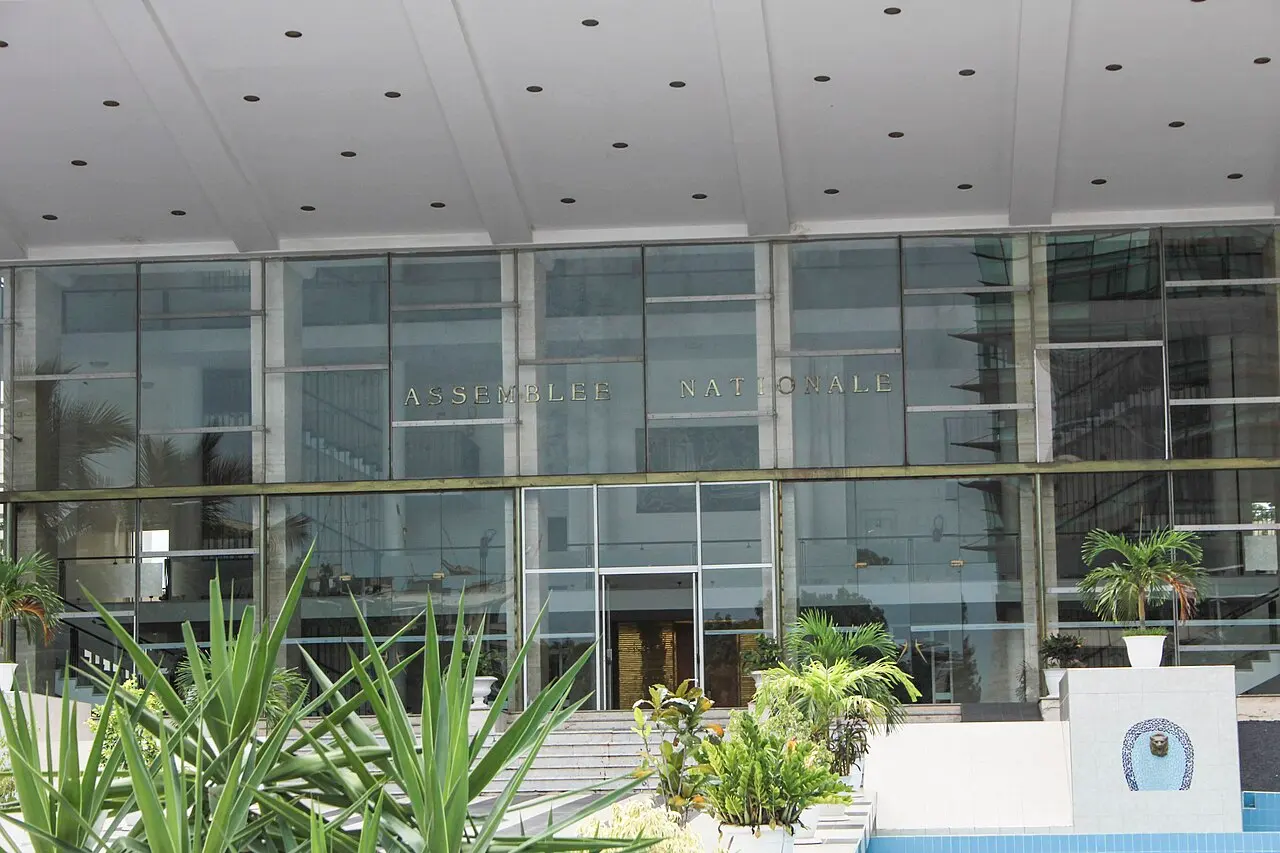
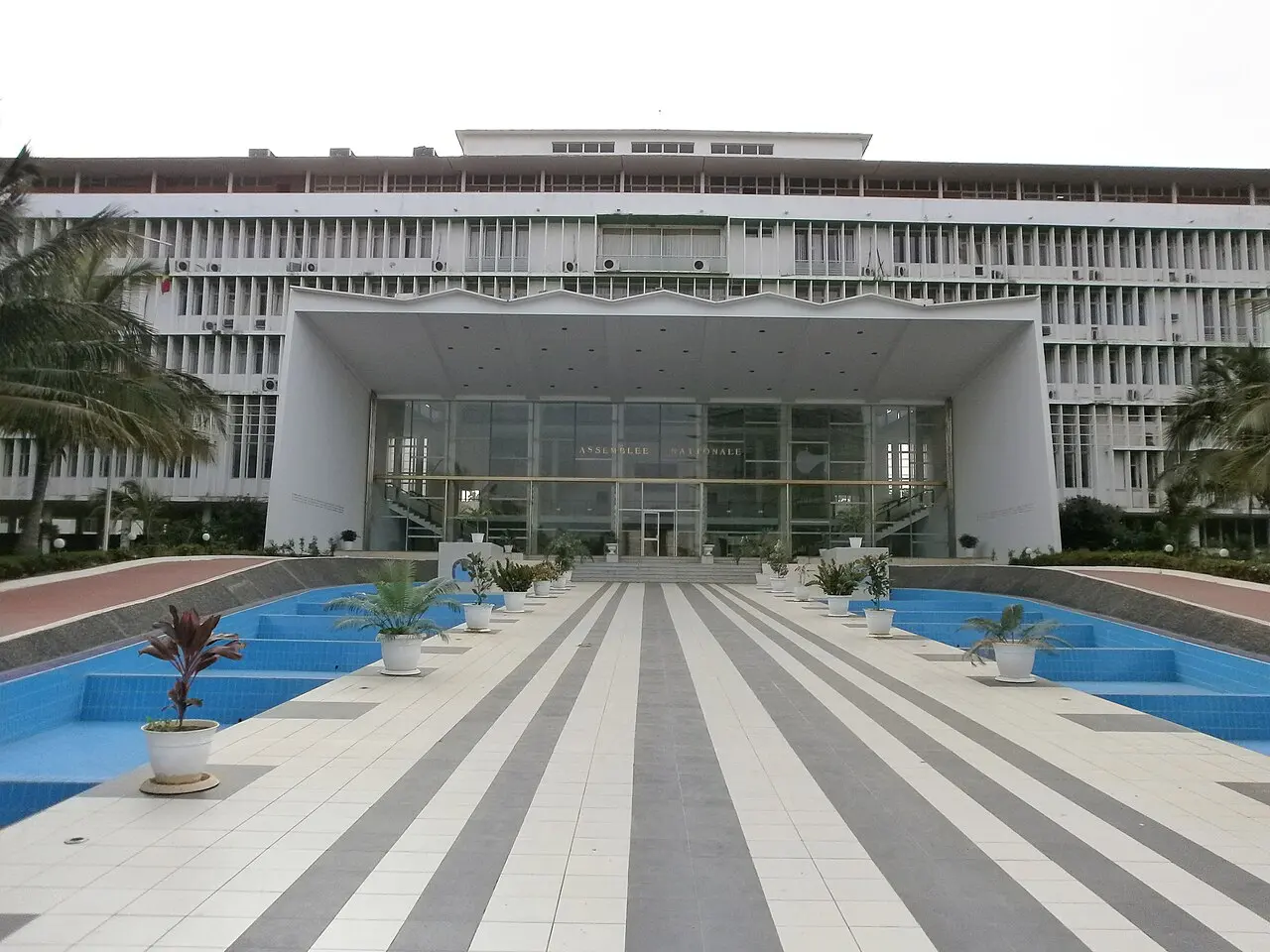
Senegal’s National Assembly adopted, on 25 November 2026, a resolution challenging presidential decree No. 2026-2416, which reinstated the 2026 supplementary budget law (LFR), previously rejected by MPs. The vote received 128 votes in favour out of 139 voters, with nine against and two abstentions, according to Seneweb. Parliamentarians intend to defend their budgetary powers and reaffirm the authority of their decisions.
The text adopted by MPs targets the decree of 19 November 2026, which enabled the 2026 supplementary budget law (LFR) to be implemented despite the National Assembly’s prior rejection of the bill on 3 November. Put forward by Mohamed Ayib Salim Daffé, president of the Pastef parliamentary group, the resolution calls for the decree to be withdrawn and challenges the possibility of reinstating a budget rejected by elected representatives through this procedure.
At the heart of the disagreement is the interpretation of Article 68 of the Constitution and Article 57 of the Organic Law on Finance Acts. Ayib Daffé believes that provisions designed to ensure budgetary continuity cannot be used to circumvent a negative vote by Parliament. He considers that this procedure undermines MPs' constitutional powers and the separation of powers.
The debates also addressed the responsibilities of government authorities, spending authorising officers and public accountants responsible for implementing the budget. Relations with Senegal’s financial partners, particularly the International Monetary Fund (IMF), were also discussed.
MP Cheikh Omar Bamba Diop, for his part, warned accounting officers and spending officials that they could face subsequent legal proceedings. He cited 2029 as a possible deadline for them to account for their actions, referring to parliamentary inquiries and the High Court of Justice.