Fatou Cissé Goudiaby challenges decree on 2026 supplementary budget
By the AFREEQUE newsroom, based on Senego
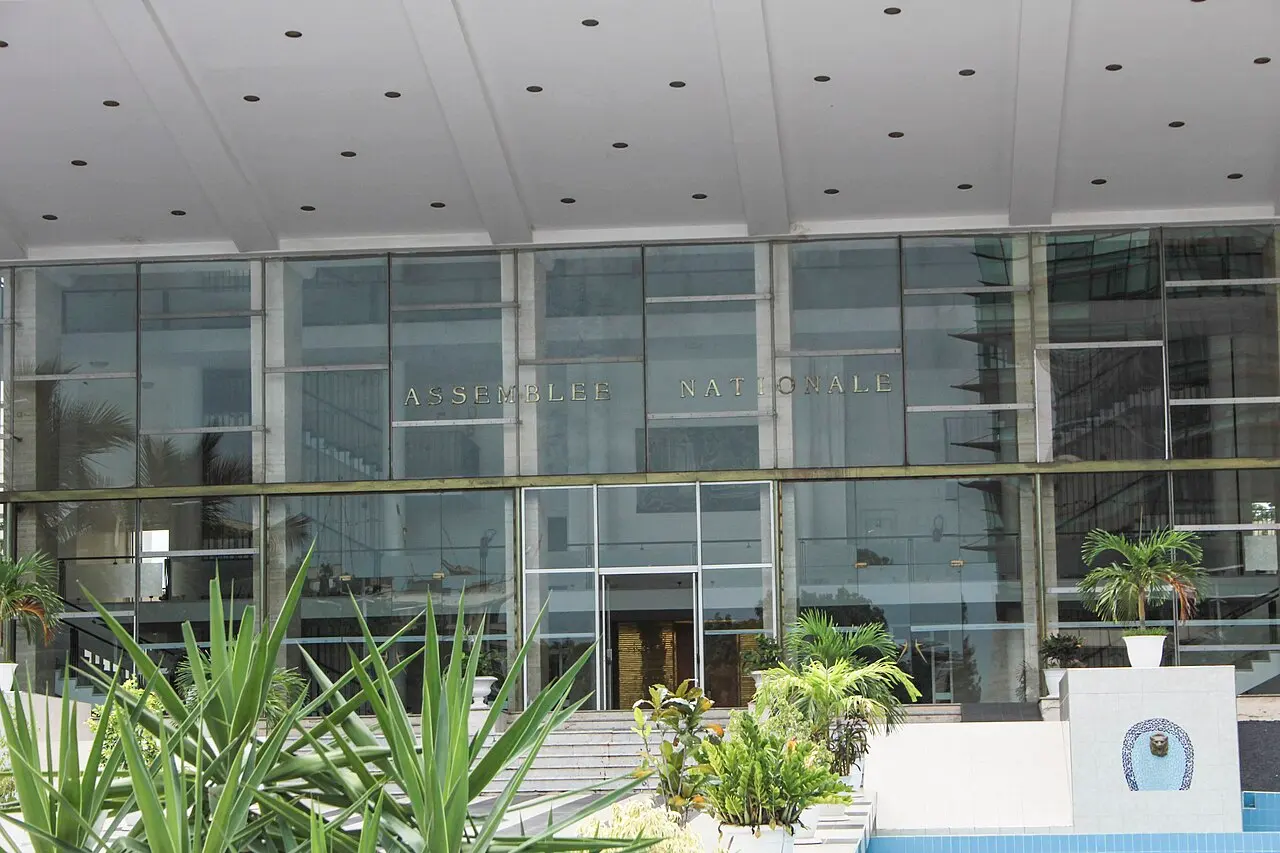
Senegalese MP Fatou Cissé Goudiaby, a member of Pastef, is challenging the legality of the presidential decree making the 2026 supplementary finance bill (PLFR) applicable after it was rejected by the National Assembly on 3 November. She believes Article 68 of the Constitution does not allow a budget rejected by MPs to be reinstated, Senego reports.
Senegalese MP Fatou Cissé Goudiaby, a member of Pastef and ENOC, is challenging President Bassirou Diomaye Faye’s use of a decree to implement the 2026 supplementary finance bill (PLFR), which was rejected by the National Assembly on 3 November. She believes the executive cannot reinstate a bill explicitly rejected by MPs.
The parliamentarian is specifically questioning the interpretation of Article 68, paragraph 5, of the Constitution. According to her, this provision authorises implementation by decree when Parliament has not voted within a 60-day period, but does not apply to a bill that has been rejected. She also invokes Article 52, arguing that the exceptional powers of the head of state do not remove the need for parliamentary involvement, particularly through ratification within 15 days.
Fatou Cissé Goudiaby extends her objections to the State’s initial budget for 2027, which was rejected on 18 November, 37 days after it was submitted. She advocates presenting a revised budget rather than implementing it by decree. The MP has also called on the International Monetary Fund (IMF) to address the consequences of this budgetary procedure.
The challenge comes after the rejection of the 2026 supplementary finance bill by Senegalese MPs on 17 November, followed by Bassirou Diomaye Faye’s decree on the supplementary budget. On 19 November, former Prime Minister Amadou Ba and constitutional law expert Ngouda Mboup had also challenged the use of this decree.