Senegal budget deadlock: Malao Kanté calls for national unity government
By the AFREEQUE newsroom, based on Senego
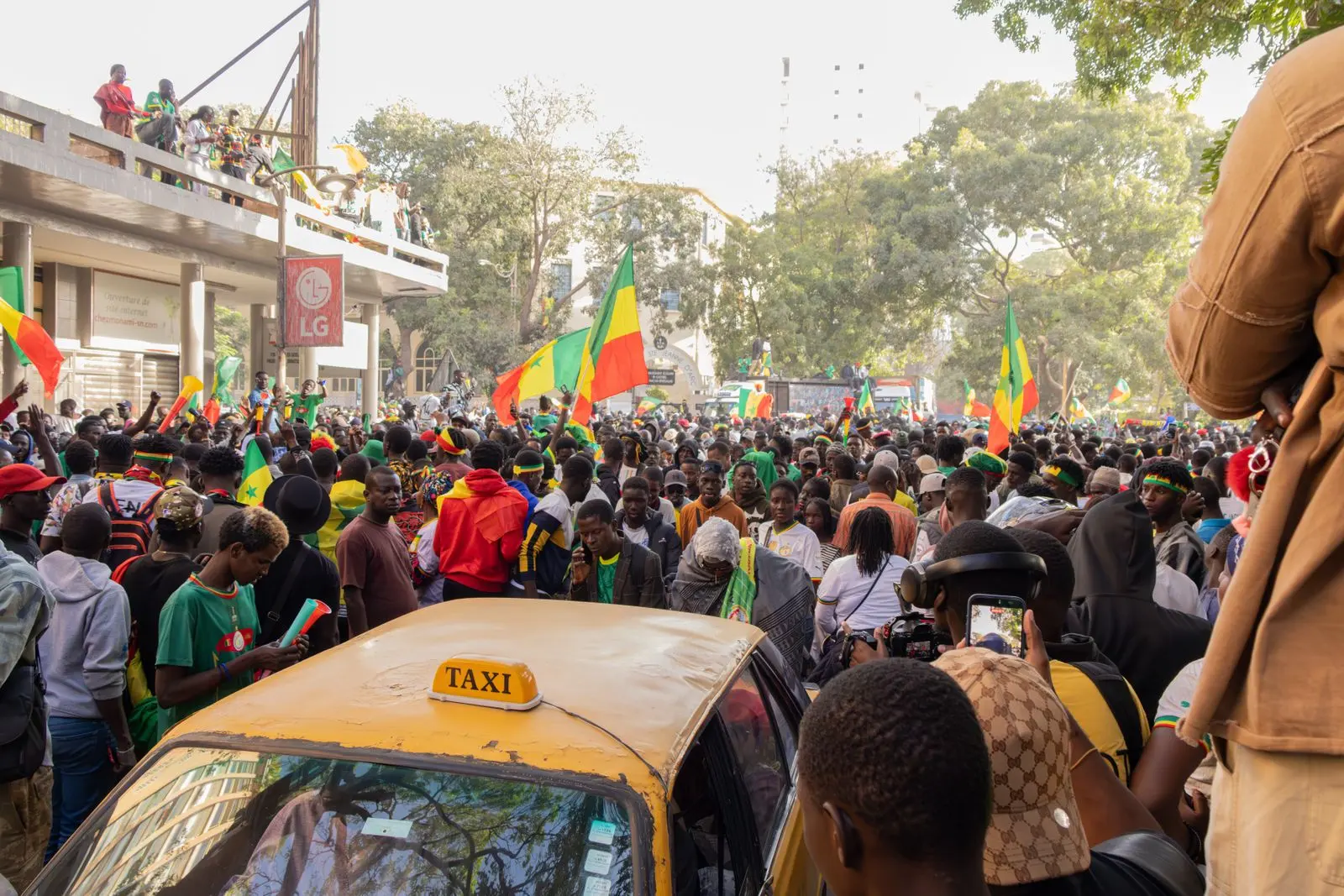 Illustrative image · Felipe Esono Nguema · Pexels · Licence Pexels
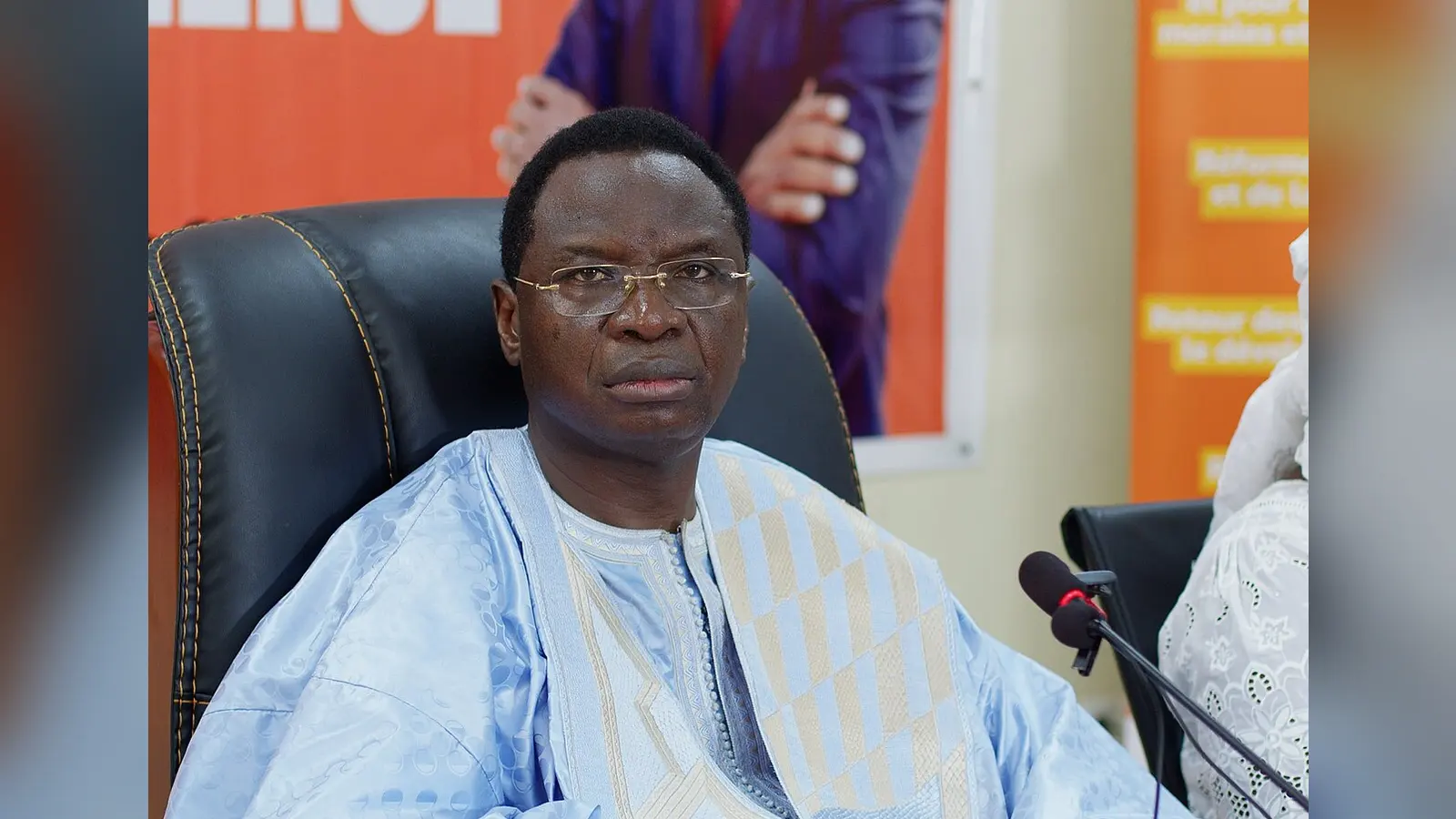
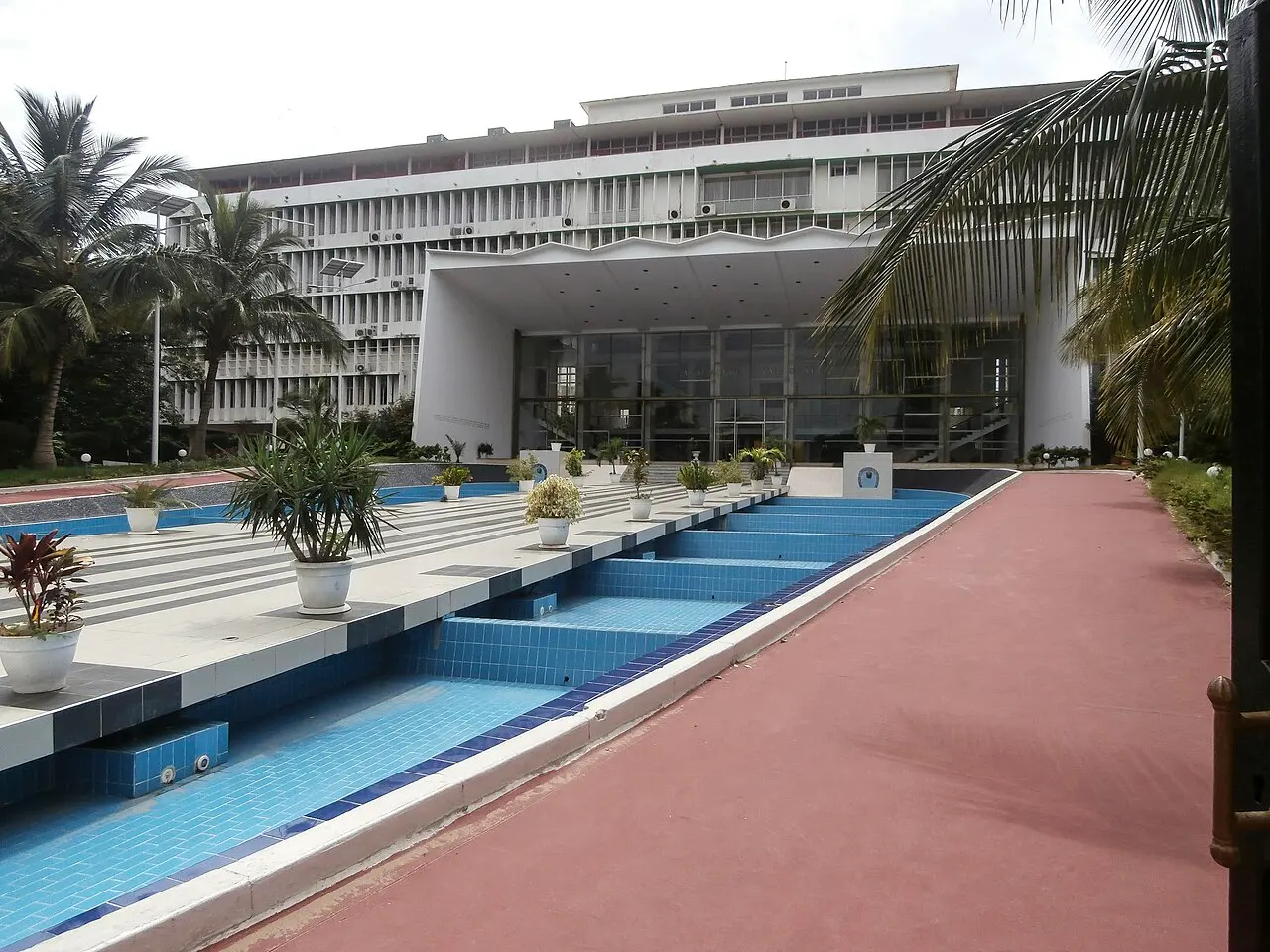
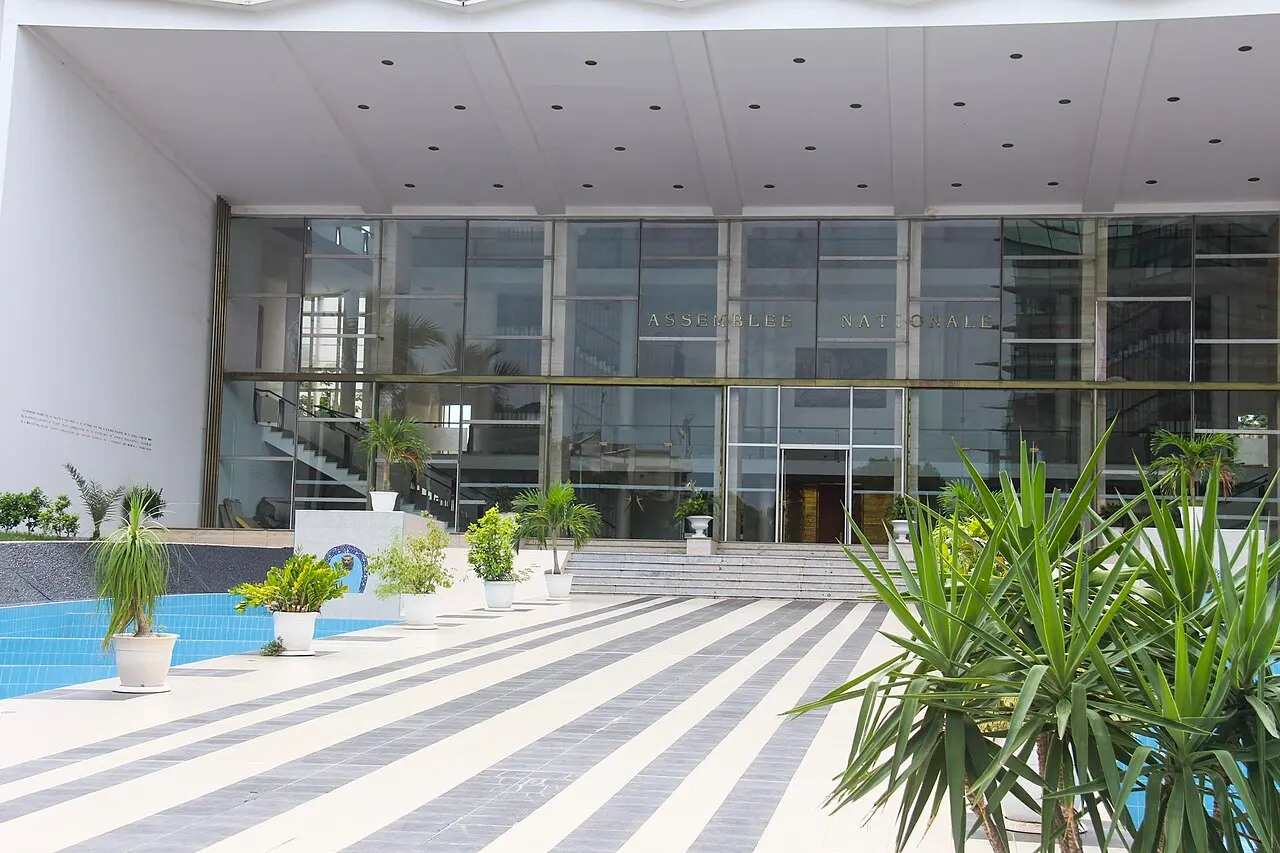
Senegal budget blocked: Malao Kanté calls for a unity government The Finance Committee of Senegal’s National Assembly has rejected the government’s budget bills since 7 November, reviving the idea of a national unity government. For Malao Kanté, who divides his time between teaching and research in political philosophy at Cheikh Anta Diop University, such a team could strengthen institutional stability and reassure investors, according to Walf, relayed by Seneweb.
Researcher Malao Kanté, who teaches and works in political philosophy at Cheikh Anta Diop University, believes that a national unity cabinet would be likely to strengthen institutional stability and reassure investors, while the budget remains blocked in the Assembly. His remarks, collected by the media outlet Walf, were picked up by Seneweb.
The academic recalls two precedents of political dialogue in Senegal. He cites the 'unified party' launched in 1966 by former president Léopold Sédar Senghor, and the process conducted under Abdou Diouf, which allowed Abdoulaye Wade, then an opposition figure, to join the government in 1991.
According to Malao Kanté, an enlarged government would benefit from drawing on the expertise of opposition figures rather than a simple sharing of posts, which risks producing poor results. He describes the opposition as 'soft' and believes it focuses its criticism mainly on Ousmane Sonko, leader of the Pastef party. President Bassirou Diomaye Faye could, in his view, engage with figures from the Alliance for the Republic (APR), the party of former president Macky Sall, or from the camp of former Dakar mayor Khalifa Sall.
Pastef, the majority party in the National Assembly, occupies a separate position. For now, a one-on-one rapprochement between the president of the republic and the president of the National Assembly seems unlikely according to Malao Kanté, who does not, however, rule out the party’s participation through delegates.