
























Rwanda rejects ECCAS criticism following its withdrawal
By the AFREEQUE newsroom, based on Ahora EG and Rwanda Dispatch
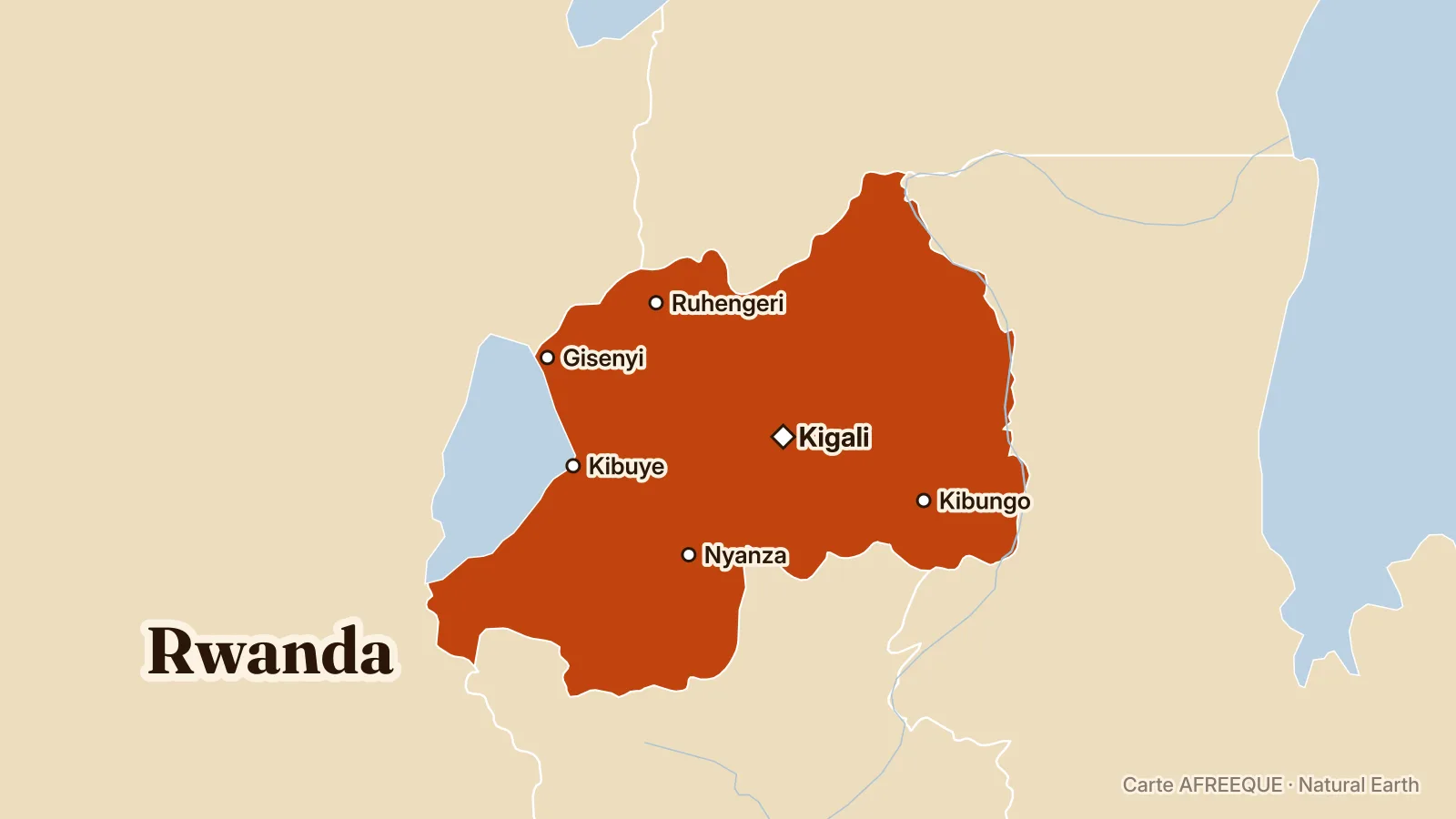
Rwanda disputes ECCAS criticism of the security situation in eastern DR Congo, arguing that its withdrawal from the organisation means such statements have no effect on it. The reaction follows the 27 November 2026 summit, which maintained the accusations against Kigali, according to Rwanda Dispatch.
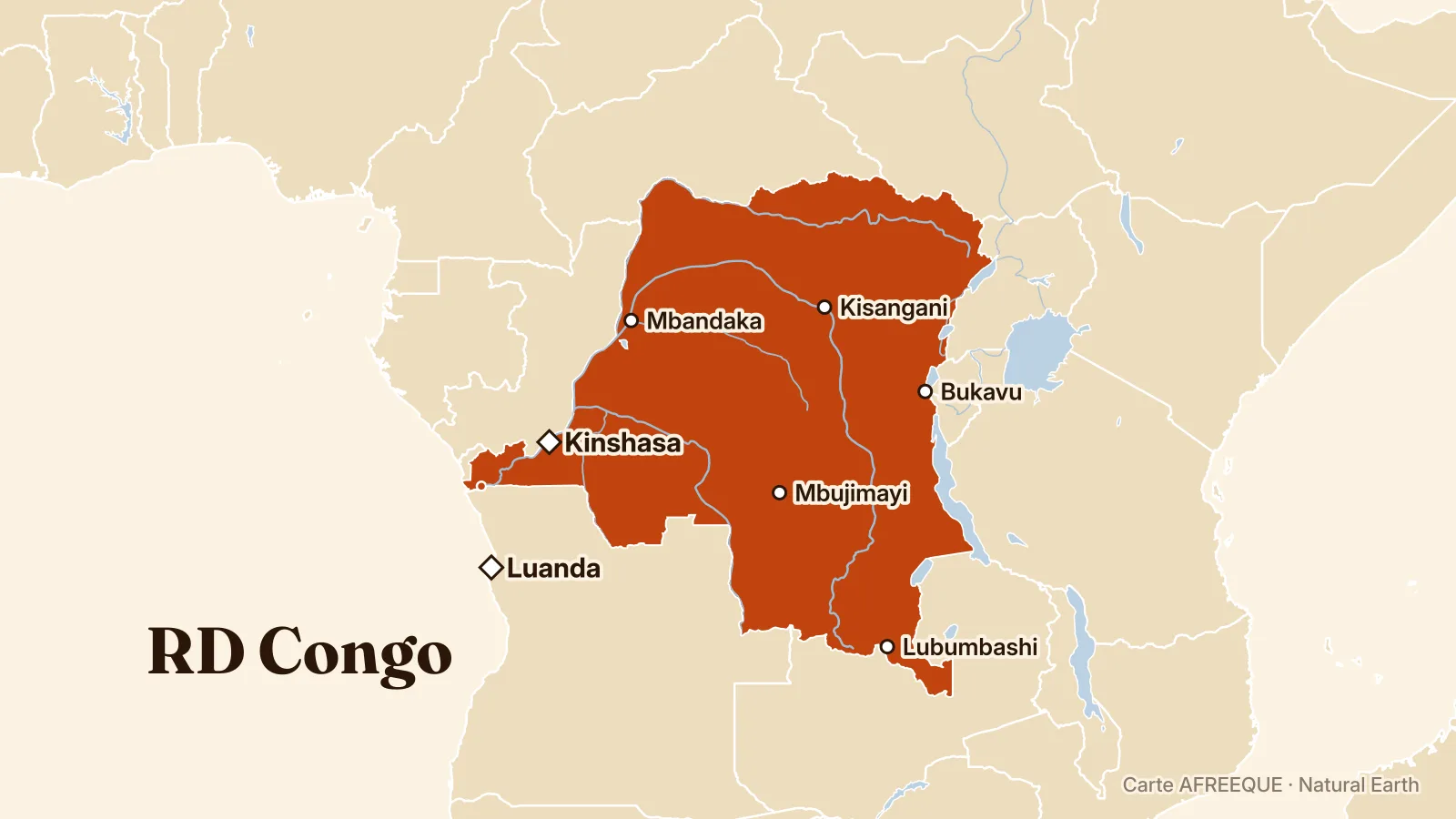
Rwanda has rejected criticism from the Economic Community of Central African States (ECCAS) concerning the security situation in eastern Democratic Republic of the Congo (DR Congo). Kigali maintains that statements by the regional organisation are no longer applicable to it because it left the institution nearly 18 months ago. Rwandan Foreign Minister Olivier Nduhungirehe expressed this position in a post on X on 28 November 2026, describing ECCAS statements implicating his country as null and void, according to Rwanda Dispatch.
The reaction follows the ordinary ECCAS summit held on 27 November 2026 in Sipopo, Equatorial Guinea. Heads of state and government expressed concern about what they consider to be Rwanda’s continued aggression against DR Congo and its consequences for civilians in the country’s eastern provinces. The Congolese presidency reported these positions in its presentation of the final communiqué. Regional leaders therefore maintained their criticism despite Rwanda’s departure.
The dispute stems from the issue of the rotating ECCAS presidency. On 7 June 2025, Kigali was due to take over the organisation’s leadership at the summit in Malabo. DR Congo, supported by Burundi, opposed this succession. Leaders ultimately extended Equatorial Guinea’s term by one year, under President Teodoro Obiang Nguema Mbasogo. This decision prevented the transfer of responsibilities expected by Rwanda.
Kigali considered the postponement a violation of its rights under Article 6 of the ECCAS founding treaty. The Rwandan government also accused Kinshasa of using the regional organisation to defend its own interests in the bilateral dispute. On 7 June 2025, it announced its intention to leave the bloc. Rwanda’s Council of Ministers confirmed this position two days later. The government had also challenged its exclusion from the 22nd ECCAS summit, held in Kinshasa in 2023, and said it had lodged a protest with the African Union presidency.
The accusations concerning the conflict in eastern DR Congo constitute the other dimension of this breakdown. DR Congo accuses Rwanda of supporting the M23 armed group and maintaining soldiers on its territory. Kigali regularly rejects these accusations and, in turn, accuses DR Congo of supporting the Democratic Forces for the Liberation of Rwanda (FDLR). These opposing positions fuel tensions between the two countries and complicate regional initiatives aimed at restoring security in the Congolese eastern provinces.
Diplomatic efforts had nevertheless been undertaken in 2025 to reduce tensions. On 18 March, Presidents Paul Kagame and Félix Tshisekedi met in Doha, Qatar, and reaffirmed their commitment to an immediate and unconditional ceasefire. On 25 April, their foreign ministers signed a declaration of principles in Washington under United States mediation. The document set out commitments intended to promote a settlement of the conflict and stability in eastern DR Congo.
At the 27 November 2026 summit, ECCAS also asked its Commission to continue the administrative, legal, technical and financial procedures necessary to implement the Rwandan withdrawal, in coordination with the authorities concerned. The organisation now has ten member states instead of eleven. Leaders called for stronger political, humanitarian, health and financial assistance for DR Congo, while encouraging the implementation of the Washington peace commitments, the Doha process and United Nations Security Council Resolution 2773. The next ordinary session of the Conference of Heads of State and Government is scheduled to take place in Chad in 2027.