














Rohingya genocide: Myanmar says The Hague ruling is unjust
By the AFREEQUE newsroom, based on Le Monde, Mediacongo, Council on Foreign Relations, Mail & Guardian, Fides News Agency and Amnesty International
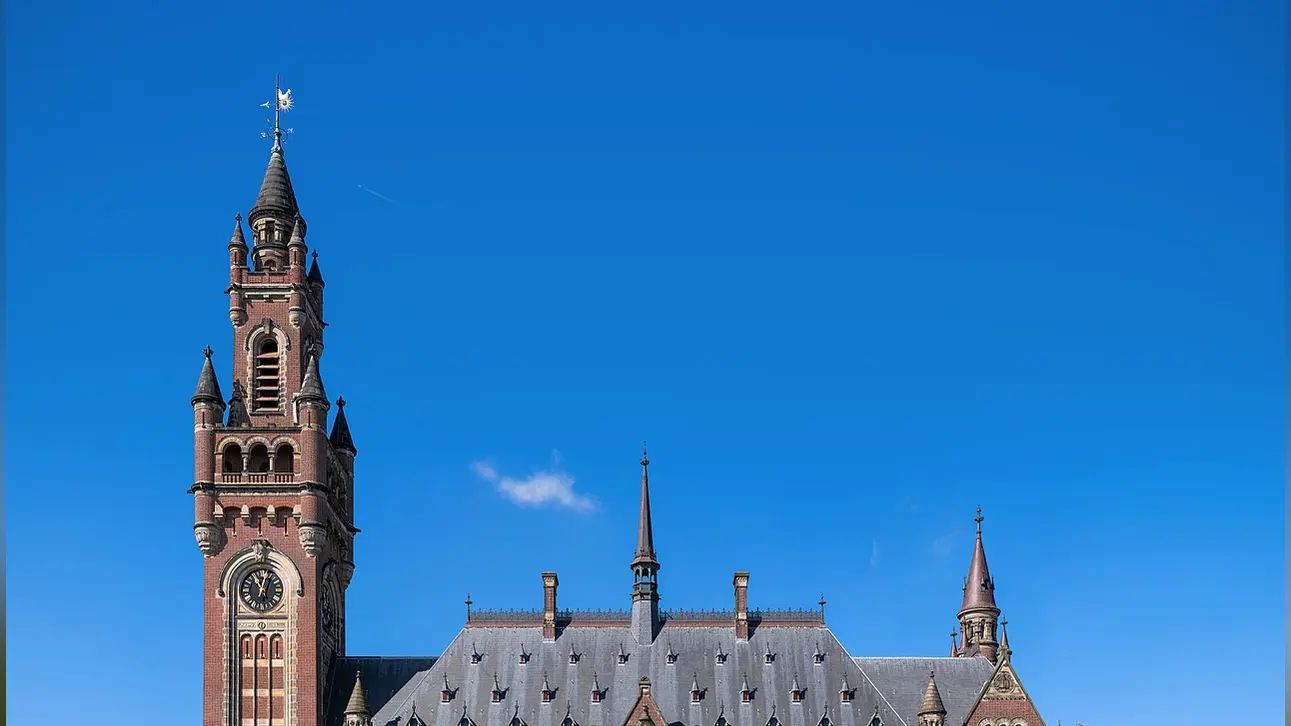
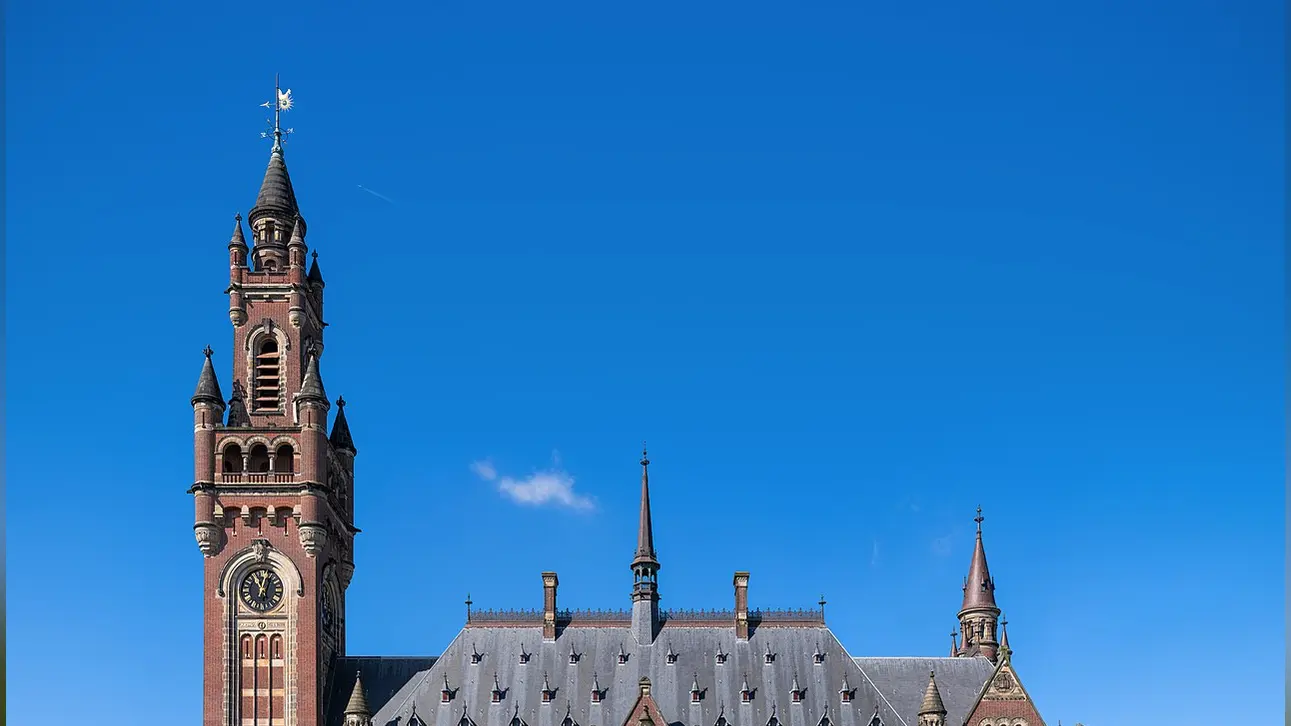
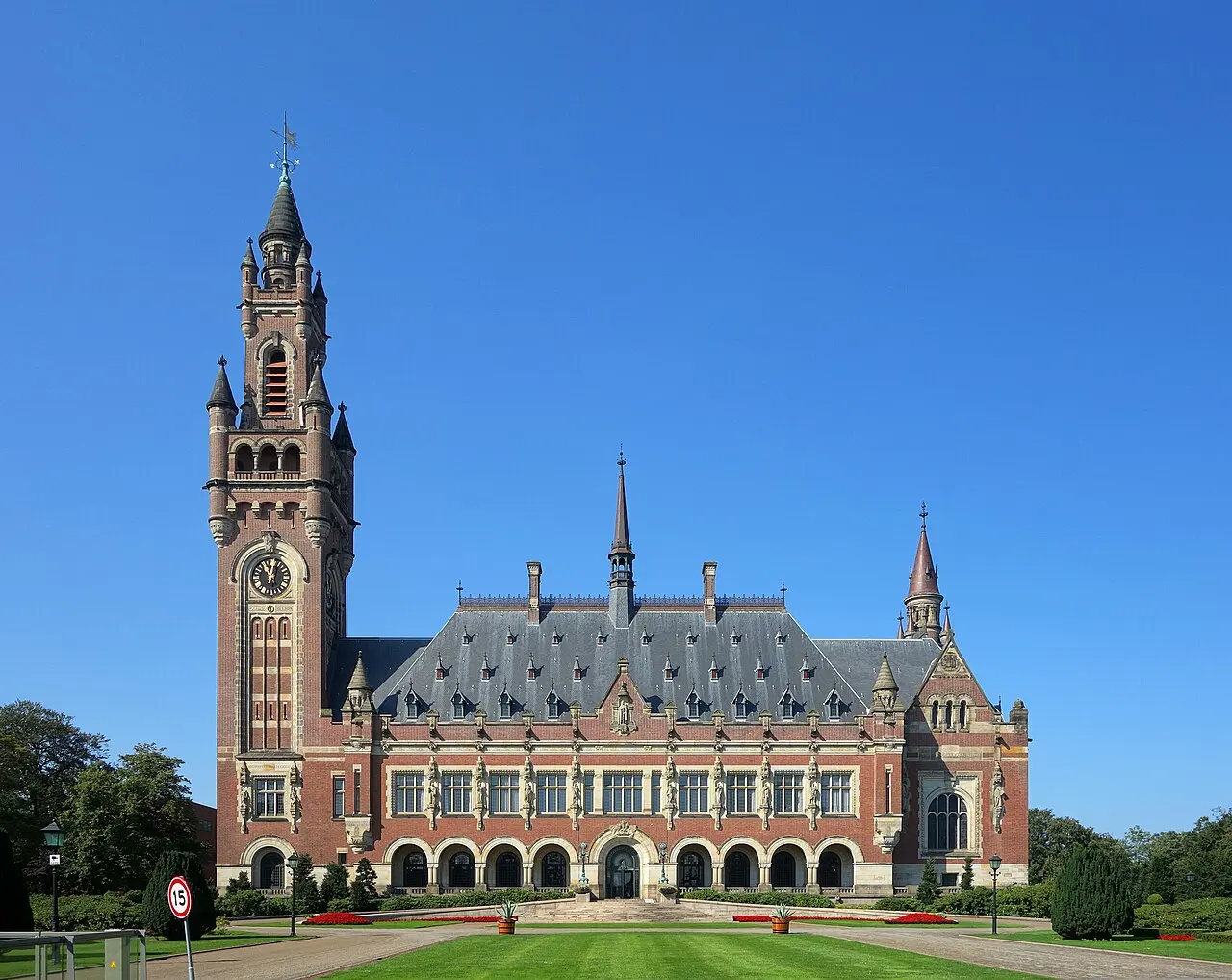
The International Court of Justice recognised Myanmar’s responsibility for the genocide of the Rohingya committed in 2017 on 19 November 2026, a first for the court, according to Le Monde. Adopted by nine votes to six, the ruling provides for reparations and the voluntary, dignified and safe return of refugees. Naypyidaw nevertheless considers the decision unjust and believes the court has exceeded its powers.
The judges established that Myanmar’s security forces had killed at least 10,000 civilians, committed gang rapes and perpetrated extreme violence against children. They also found that Rohingya villages and land had been systematically destroyed, followed by their reoccupation by other populations. The court considered that the intention to destroy a substantial part of this minority was the only reasonable explanation for these acts.
The ruling specifies that genocidal intent can coexist with military objectives. This interpretation could influence other proceedings before the court, particularly the case brought by South Africa against Israel over Gaza. However, no conclusion was reached in this case regarding Israel’s actions. The court also ordered Myanmar to facilitate the voluntary and safe return of refugees and grant them compensation.
Amnesty International Secretary General Agnès Callamard welcomed the historic recognition of survivors' suffering. She is calling in particular for an end to transfers of weapons and military equipment to Myanmar, an international embargo imposed by the Security Council and a referral of the situation to the International Criminal Court. She is also demanding full reparations and prosecutions of those allegedly responsible. Former army chief Min Aung Hlaing, now the country’s president, is directly targeted by her criticism.
In Myanmar, 219 civil society organisations also supported the ruling and called for recognition of Rohingya identity, restoration of their citizenship and prosecutions of those responsible for the massacres. More than one million Rohingya live in Bangladesh, mainly in the camps of Cox’s Bazar, after fleeing the 2017 military operations. Khalilur Rahman, President of the UN General Assembly, called on the Myanmar authorities to respect the decision and allow their return.