Myanmar Rohingya genocide: ICJ orders measures and reparations
By the AFREEQUE newsroom, based on Gambiana, Council on Foreign Relations, The Point, Al Jazeera and Fides News Agency
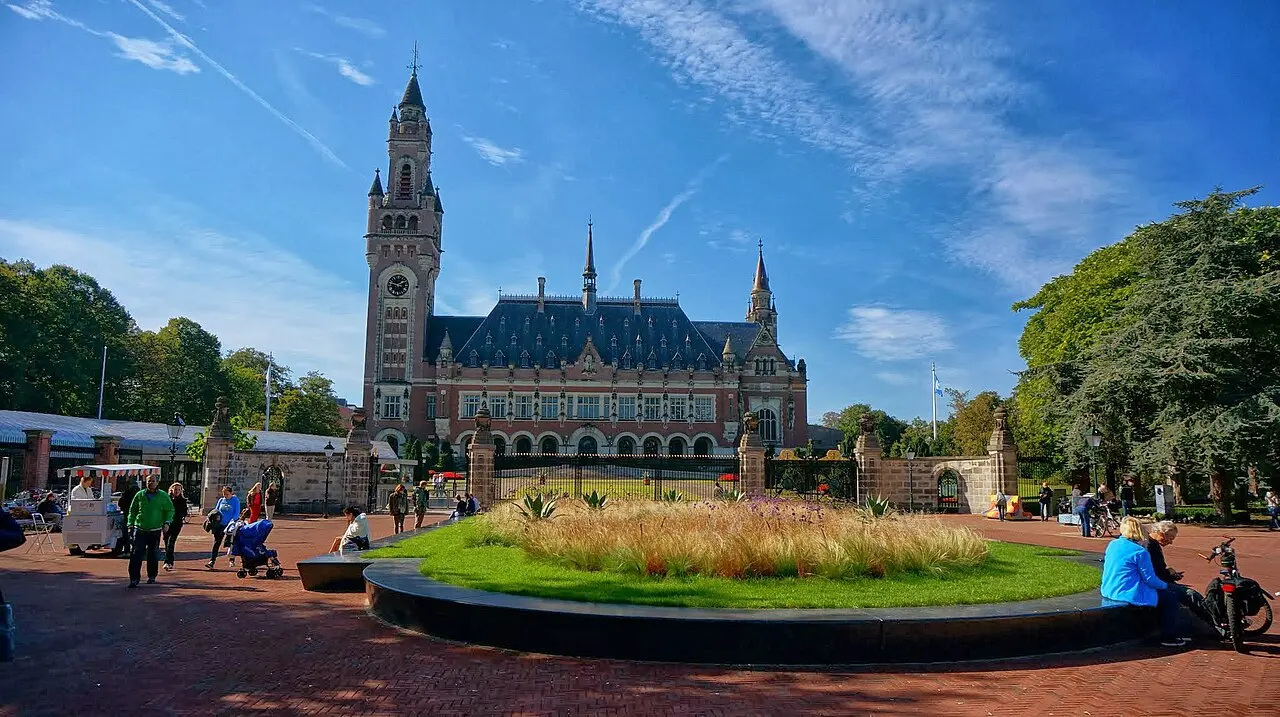
The International Court of Justice (ICJ) has found Myanmar responsible for the genocide of the Rohingya during its 2017 military operations in Rakhine State, a first in the court’s 80-year history, according to Gambiana. The ruling establishes three genocidal acts and provides for measures concerning the protection of this minority, the return of displaced people and reparations. It could also influence other international proceedings, particularly the case between South Africa and Israel.
Myanmar’s security forces killed at least 10,000 Rohingya civilians during the 2017 military operations in northern Rakhine State, according to the ICJ’s findings. The judges also identified gang rapes and other widespread sexual violence, extreme abuse of children and attacks on Rohingya fleeing to Bangladesh. Three genocidal acts were established: killings, serious bodily or mental harm, and measures intended to prevent births within this population.
The Court also found that Rohingya villages and agricultural land had been systematically destroyed and replaced with permanent structures, including security force installations, and that people from other ethnic groups had been settled there. Taken together, these findings led the judges to conclude that there had been an intention to destroy a substantial part of the Rohingya community in northern Rakhine State.
Myanmar will have to prevent further acts of genocide, investigate those responsible and punish those found guilty. The measures also cover recognition of Rohingya identity, the safe and dignified return of displaced people, as well as compensation and reparations. A report on the measures taken, particularly regarding restitution, must be submitted to the ICJ within two years.
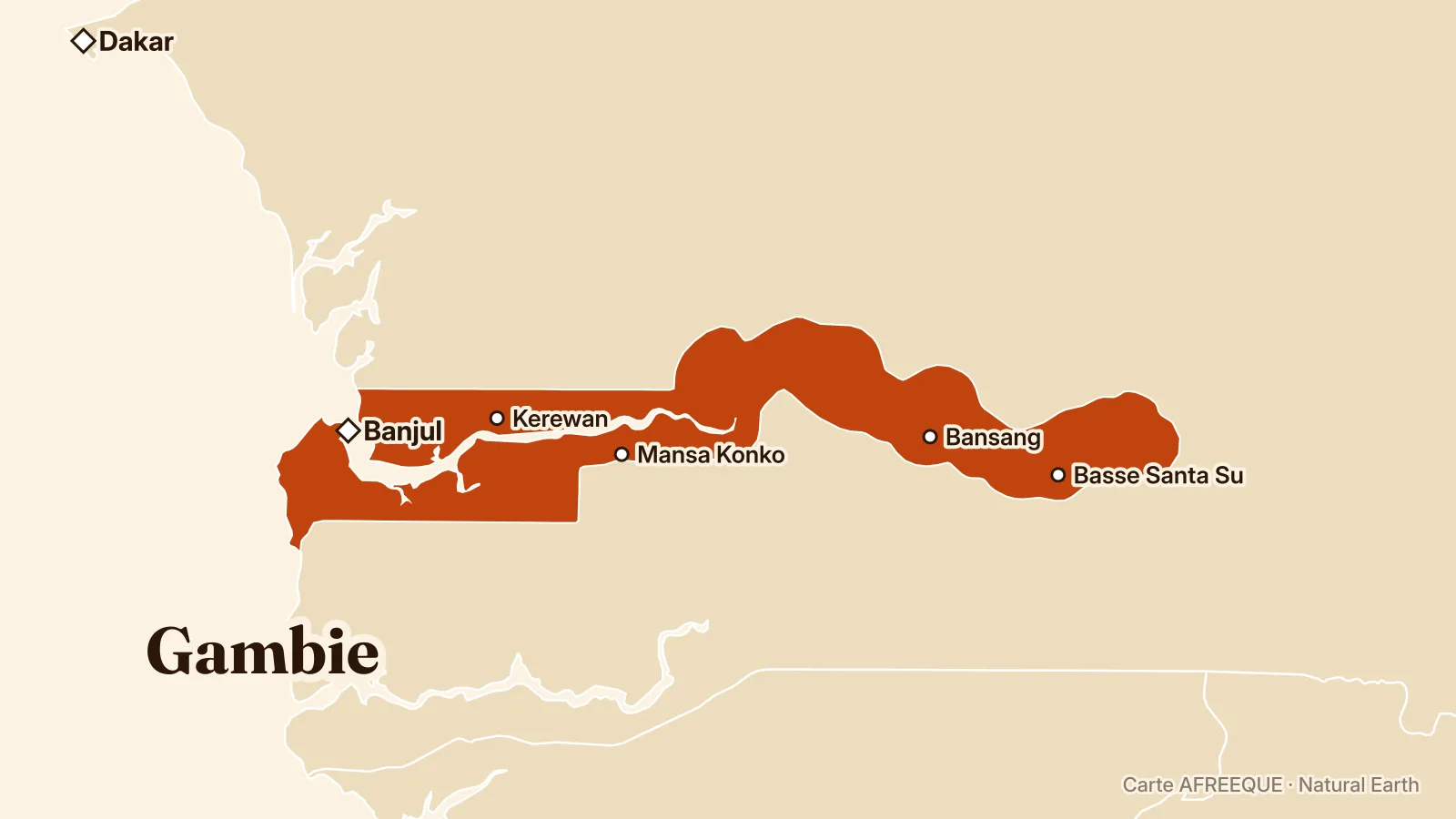
The Gambia initiated proceedings on 11 November 2019, with the support of the Organisation of Islamic Cooperation. Eleven other countries intervened in the case. Following the judgment, Gambian President Adama Barrow received a certified copy of the decision from Justice Minister Dawda Jallow and members of the Gambian legal team. The Ministry of Justice hailed the ruling as a major milestone in the country’s efforts to advance international justice.