Oil rebounds to $92.01 amid attacks in the Strait of Hormuz
By the AFREEQUE newsroom, based on Sowetan
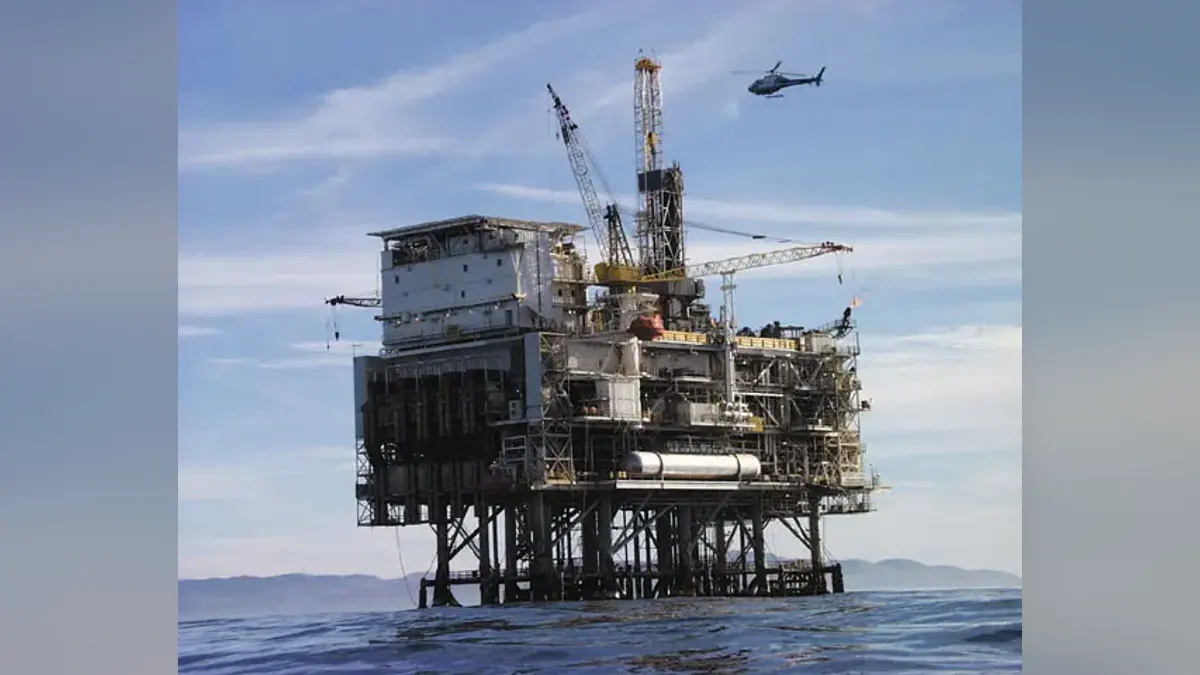
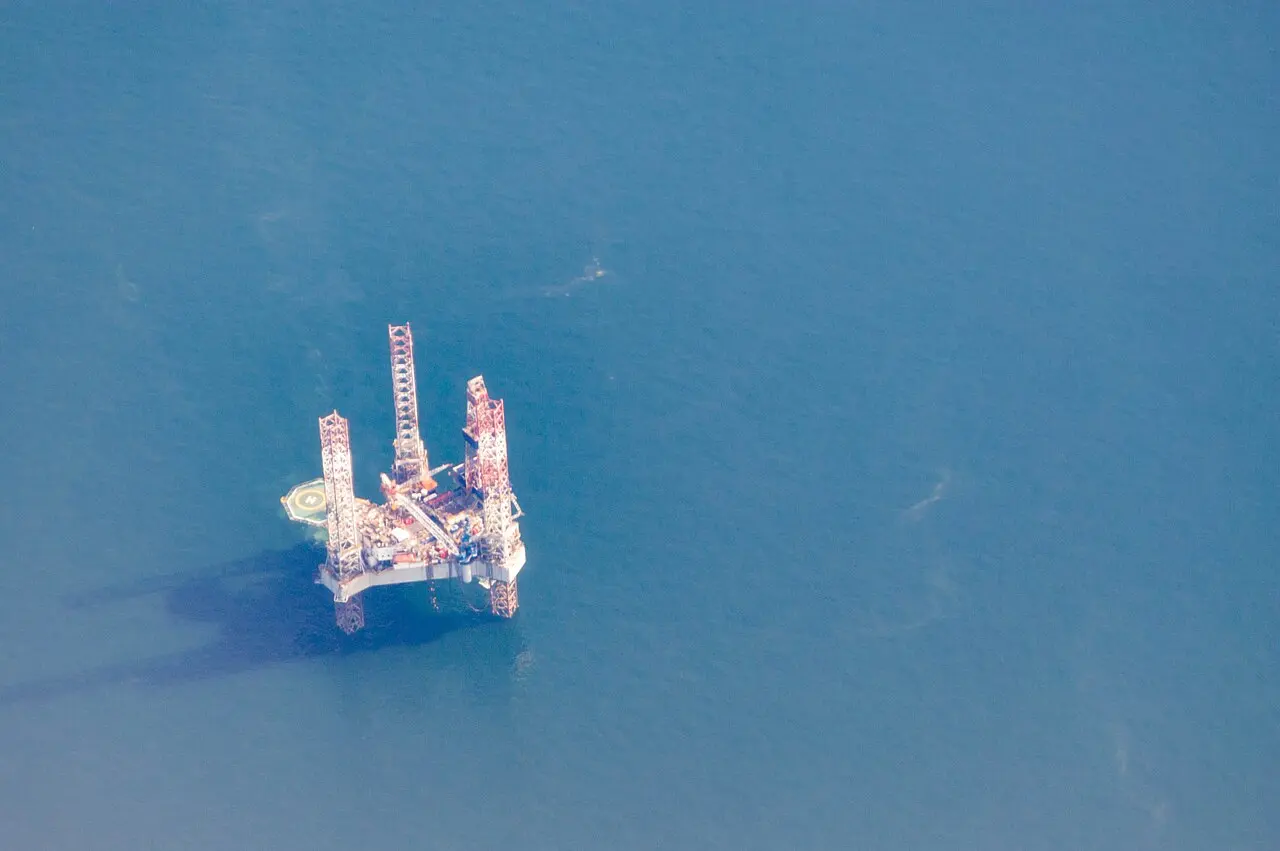
Brent rebounds to $92.01 a barrel after hitting a two-month low, as attacks on vessels persist in the Strait of Hormuz. The market remains divided between diplomatic hopes and the risk of escalation, according to Reuters.
Brent rose 52 cents, or 0.6%, to $92.01 a barrel at 7:30am GMT on Wednesday, while US crude West Texas Intermediate gained 16 cents to $86.20. The oil market is oscillating between hopes of de-escalation in the war between the United States, Israel and Iran and concerns over attacks on shipping in the Strait of Hormuz, Sowetan reports.
Thirty-seven vessels were attacked in October, the highest monthly level since the start of the war in the Middle East, according to data from the Washington Institute for Near East Policy. June Goh, a senior analyst at Sparta Commodities, believes the increase in attacks on Gulf shipping routes is maintaining uncertainty around diplomatic discussions.
An oil tanker was hit north-east of Lima, Oman, on Tuesday, according to the British agency United Kingdom Maritime Trade Operations. The Iranian Revolutionary Guards' navy also said that two tankers had caught fire after hitting naval mines on a route it describes as unauthorised. LSEG Oil Research estimates that a potential agreement would not immediately guarantee an increase in flows through Hormuz, notably because of mine clearance, insurance costs and the risks shipowners would be willing to take.
US crude oil stocks increased by 9 million barrels during the week ending 6 November, according to data from the American Petroleum Institute cited by market sources. In Russia, oil refining capacity has fallen by about 30% since the end of October following the resumption of Ukrainian drone attacks, according to industry sources. This comes after the Brent retreat to $91.88 announced on 10 November, after an initial decline of more than $3 during the previous session.