Nigerian journalist Daniel Ojukwu pleads not guilty to defamation
By the AFREEQUE newsroom, based on Leadership and Daily Post
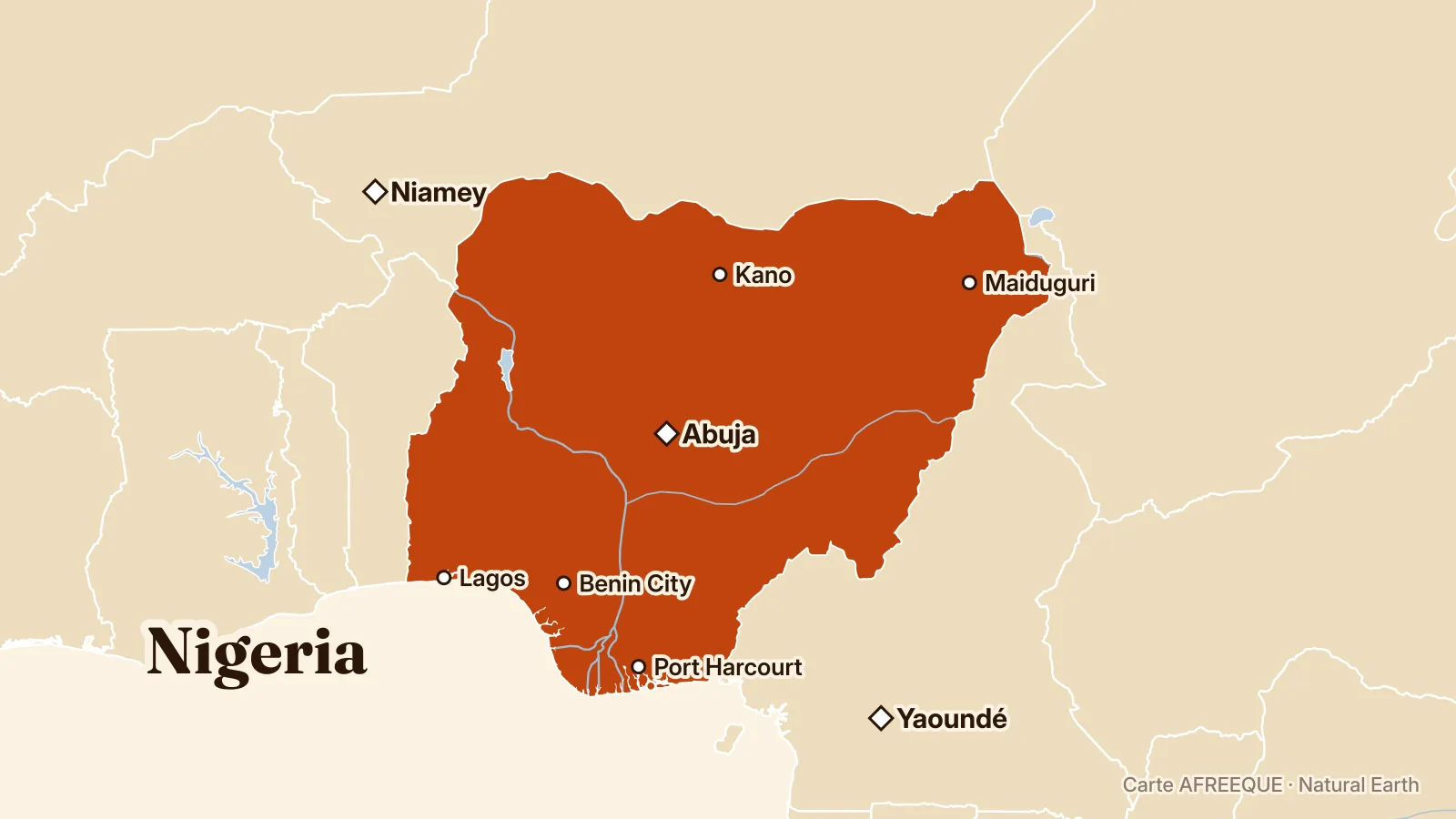
Investigative journalist Daniel Ojukwu, of the Foundation for Investigative Journalism (FIJ), pleaded not guilty on Tuesday in Abuja to twelve charges of cyber-harassment and criminal defamation, according to Leadership. His investigations into the management of public funds by the office of a special assistant to the president are at the heart of the case. Unions and press freedom organisations are calling for his immediate and unconditional release.
Daniel Ojukwu remains in detention until 1 December 2026, the date of the hearing on his application for bail. The Nigeria Union of Journalists (NUJ) notes that he had already been abducted for ten days by police officers in May 2024, over investigations on the same subject.
In a statement signed by its national president, Alhassan Yahaya, the NUJ calls for all charges against Daniel Ojukwu, as well as against the founder of the FIJ, Fisayo Soyombo, to be dropped. It warns the police and security services against what it describes as repeated use of the cybercrime law and criminal defamation to harass, abduct and silence journalists.
Yahaya recalls that press freedom and the State’s duty of oversight are guaranteed by sections 22 and 39 of the 1999 Constitution, as well as by Article 9 of the African Charter on Human and Peoples’ Rights and Article 19 of the International Covenant on Civil and Political Rights. He also warns against prolonged pre-trial detention, which he says creates a climate of fear across the media as a whole.
Some lawyers acknowledge that press freedom does not confer immunity from the law, while insisting on respect for due process. Senior Advocate of Nigeria Abdul Balogun states that no one is above the law: if the journalist has committed an offence, he must be prosecuted before a court, with a thorough investigation and a fair trial. Law professor Adiukwu G. Abel calls on the government to tolerate the media, especially when it is criticised, and considers that an official with nothing to hide should neither intimidate nor harass the press. Several lawyers warn that using criminal law against journalists investigating matters of public interest may discourage scrutiny of institutions and hamper the fight against corruption.