Nigeria targets $72 billion from livestock
By the AFREEQUE newsroom, based on CGIAR
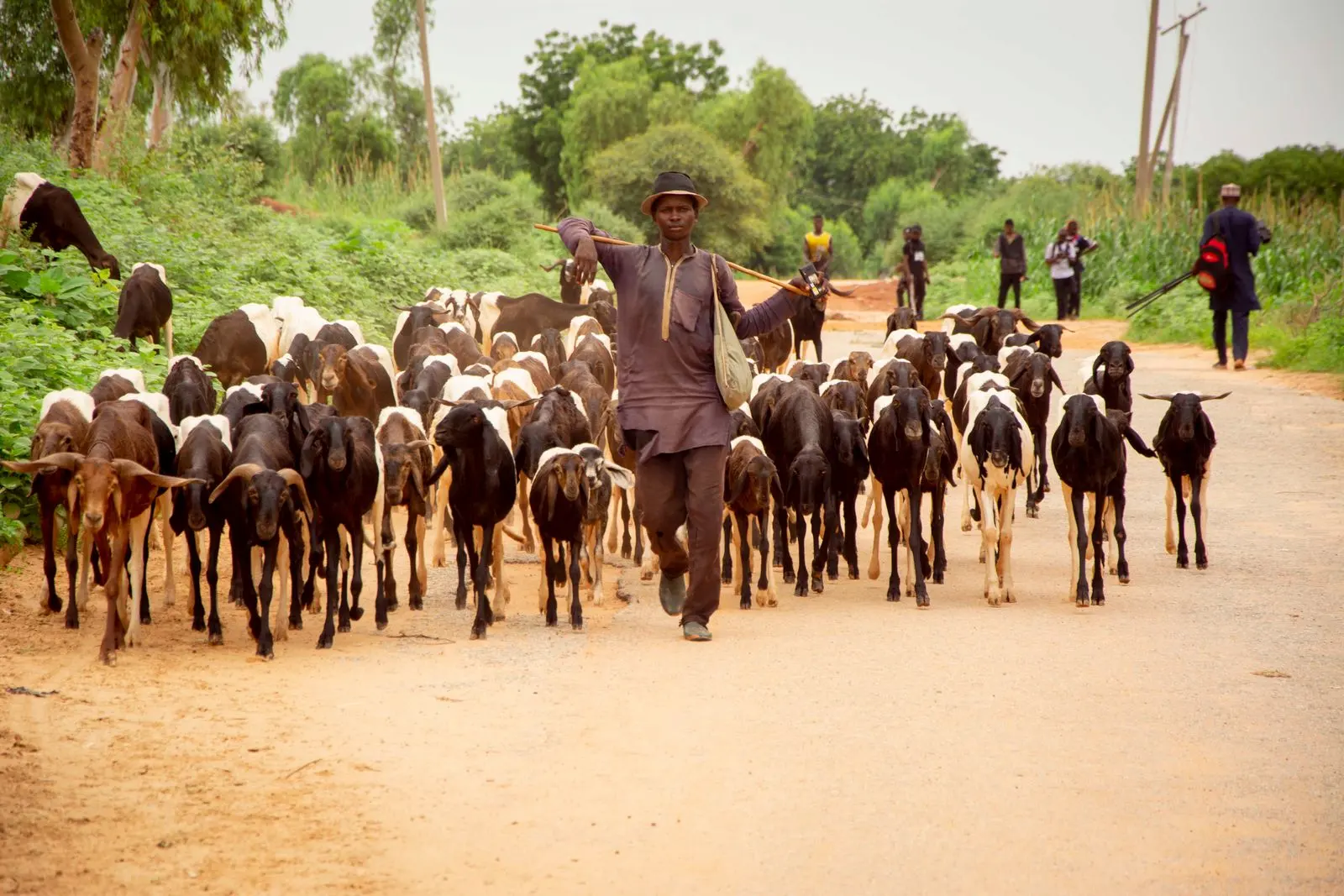 Illustrative image · ansar photography · Pexels · Licence Pexels
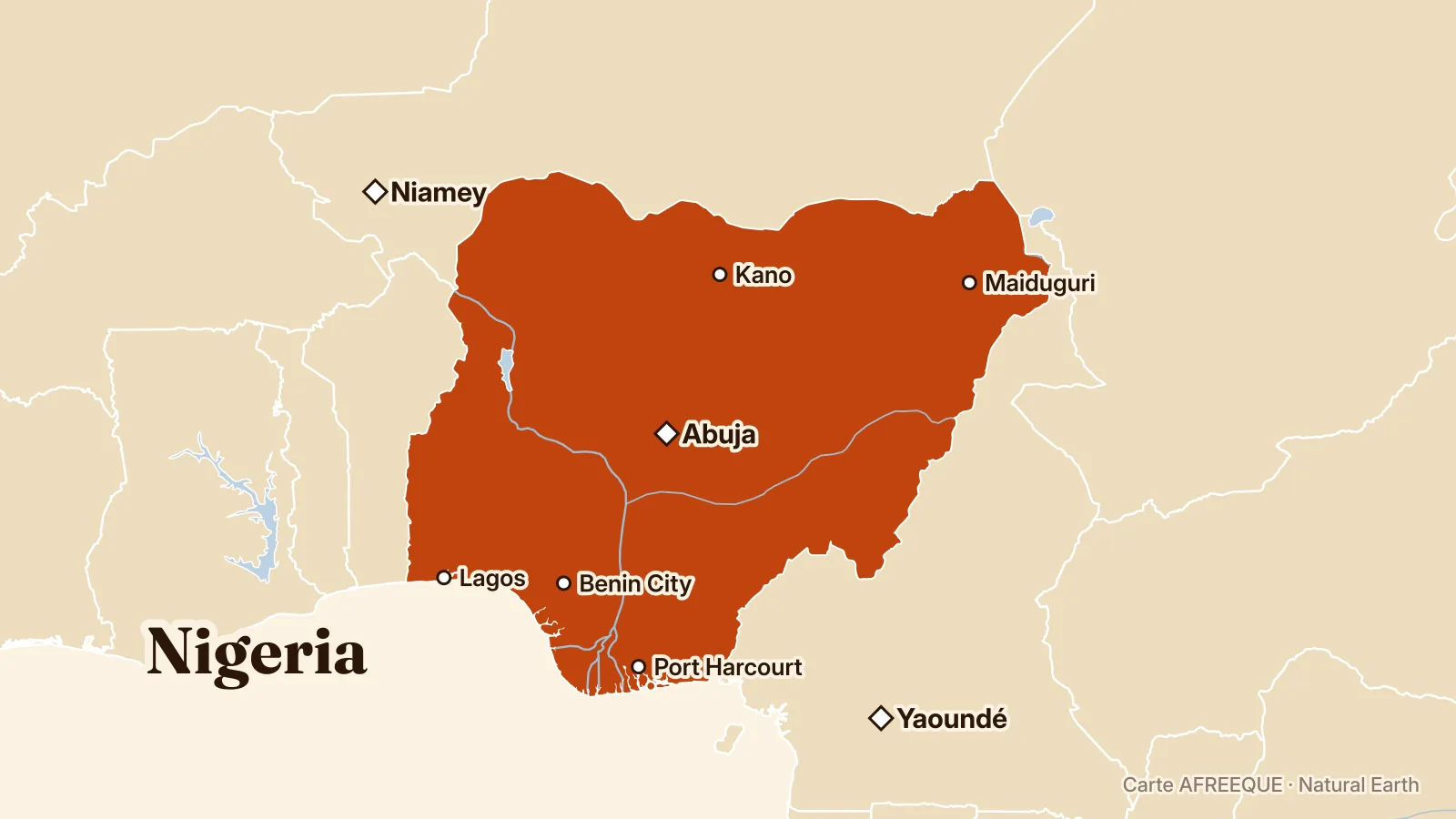
Nigeria wants to increase livestock’s contribution to its economy from around $32 billion to $72 billion through a ten-year growth strategy. The plan combines economic targets, emissions monitoring and climate finance, presented at COP31 in Antalya, according to CGIAR.
Nigeria wants to increase the contribution of its livestock sector to the economy from around $32 billion to $72 billion over ten years. Alike Peter, technical director at Nigeria’s Federal Ministry of Livestock Development, presented this target at an official COP31 event in Antalya, according to CGIAR.
The national livestock growth acceleration strategy aims to improve animal feed, health and genetics in order to increase meat and milk production per animal while limiting emissions. The Federal Ministry of Livestock Development, established less than two years ago, has also included livestock in Nigeria’s third nationally determined contribution and is working with the World Bank on a national framework for measuring, reporting and verifying emissions, according to CGIAR.
Nigeria is also replacing the global default values used to calculate livestock emissions with locally calculated data. CGIAR reports that Netzence Sustainability Limited and the ministry presented this work at the Antalya meeting.
The debate comes as Nigeria seeks to increase production to meet demand for meat and milk and its food security needs. Jennifer Chow, senior director for agriculture, water and food at the Environmental Defense Fund, however, stressed that reducing emissions per litre of milk does not necessarily mean reducing total emissions, according to CGIAR.
The presentation comes two days after the publication on Nigeria’s climate targets and four days after the start of COP31 in Antalya. The COP31 in Antalya provides the setting for this discussion on livestock growth and its emissions.