In Nigeria, 68,000 out-of-school children helped to return to education
By the AFREEQUE newsroom, based on Vanguard, Tribune Online and Punch
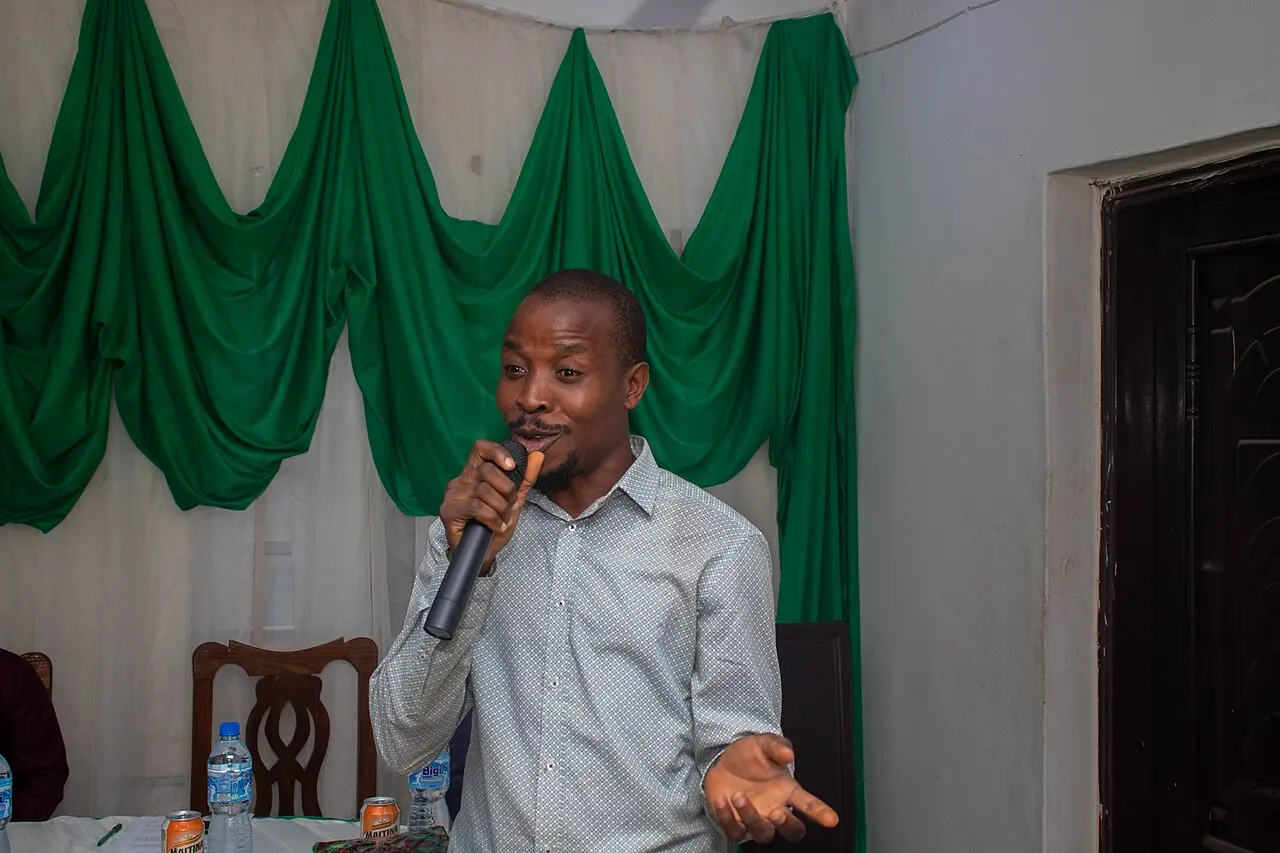
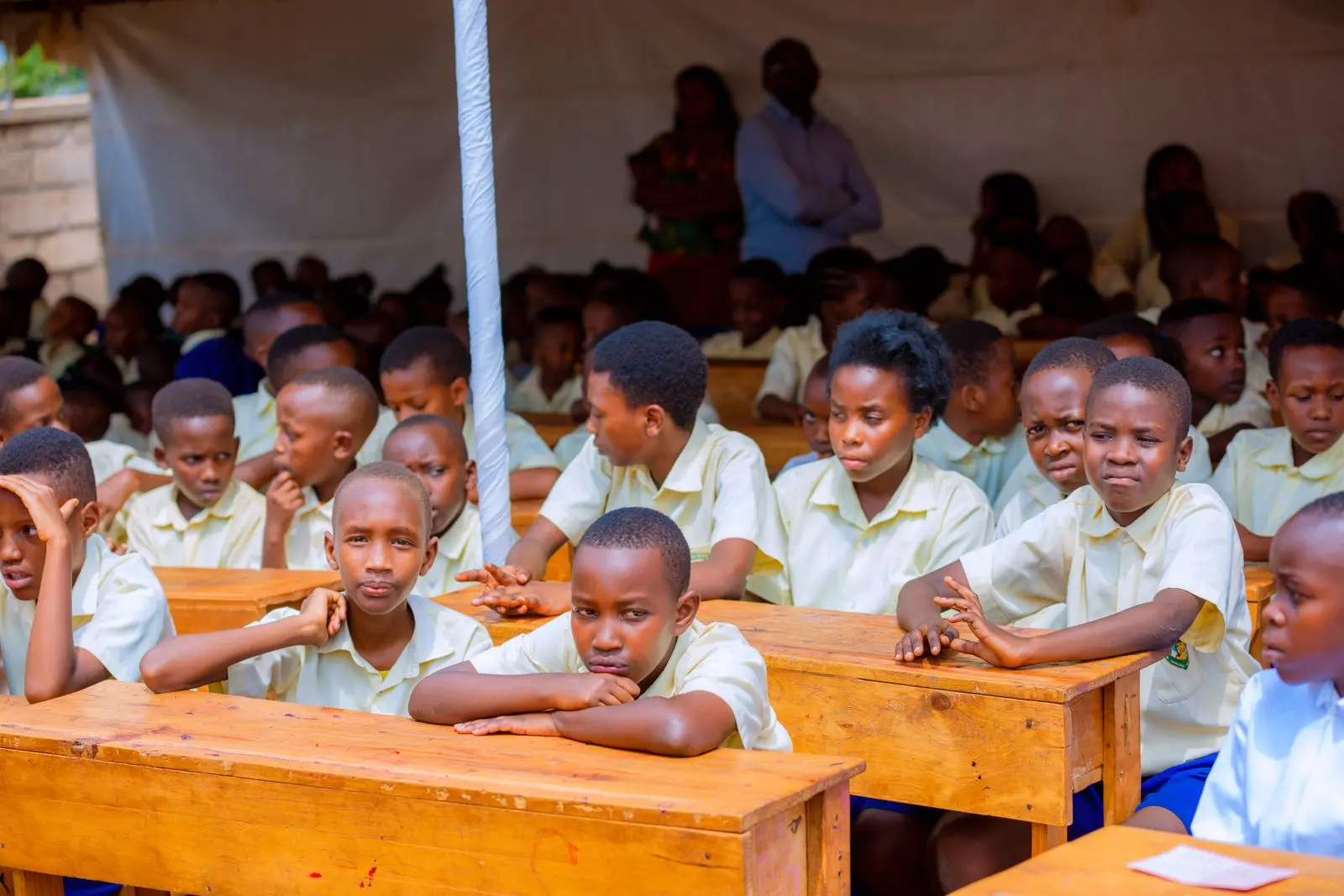
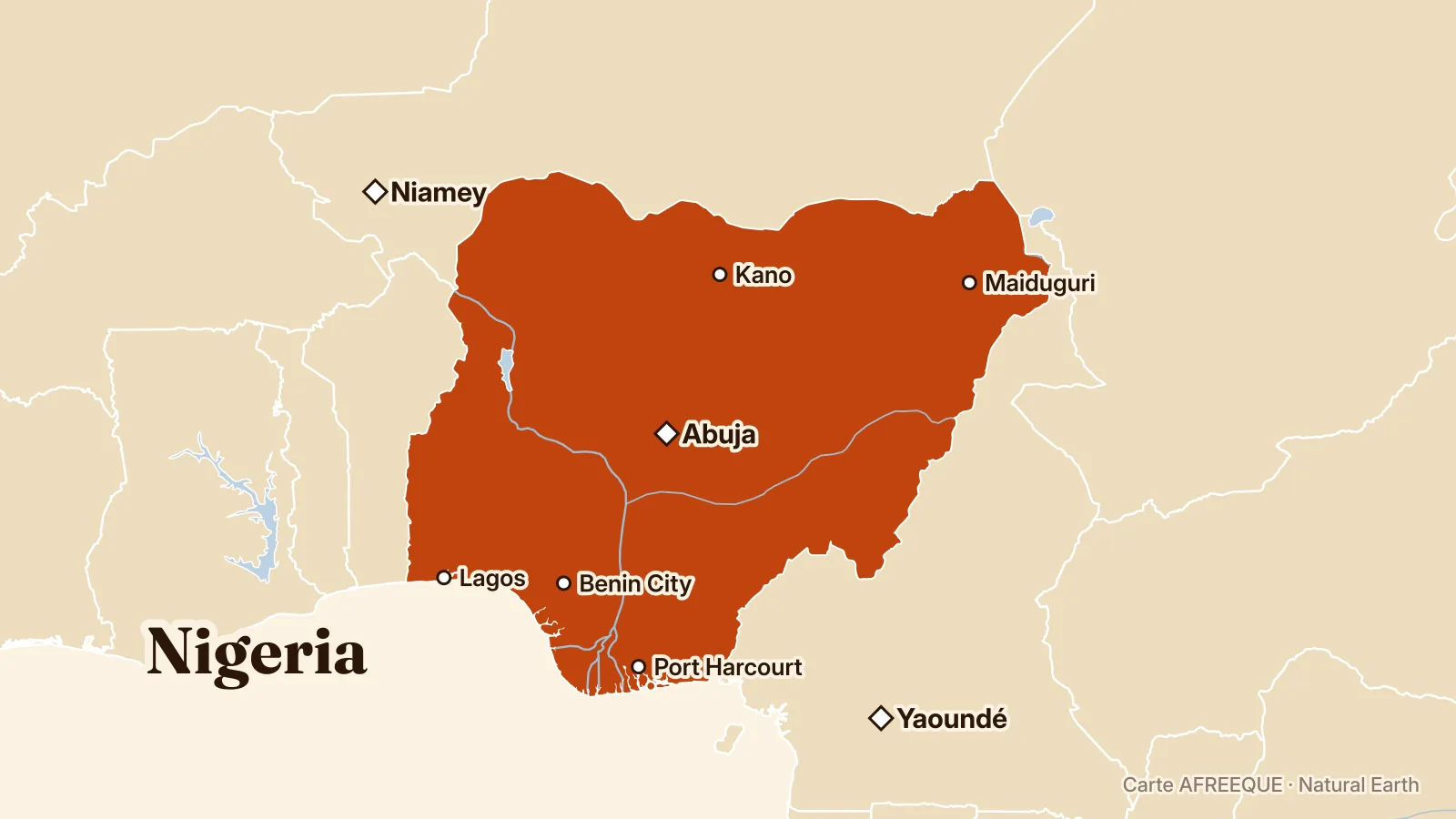
About 68,000 out-of-school children have been reached by school enrolment programmes in Sokoto, Kebbi and Zamfara, out of approximately 624,000 identified across the three Nigerian states, according to Vanguard. UNICEF’s Chief of Field Office in Sokoto, Michael Juma, is calling for more resources and stronger mobilisation by public authorities and communities to expand access to education.
At a press briefing organised in Sokoto for World Children’s Day 2026, Michael Juma called on the authorities to step up their efforts in response to the number of children deprived of schooling. He also urged journalists to strengthen their investigations into children’s rights and contribute to monitoring public commitments, according to Vanguard.
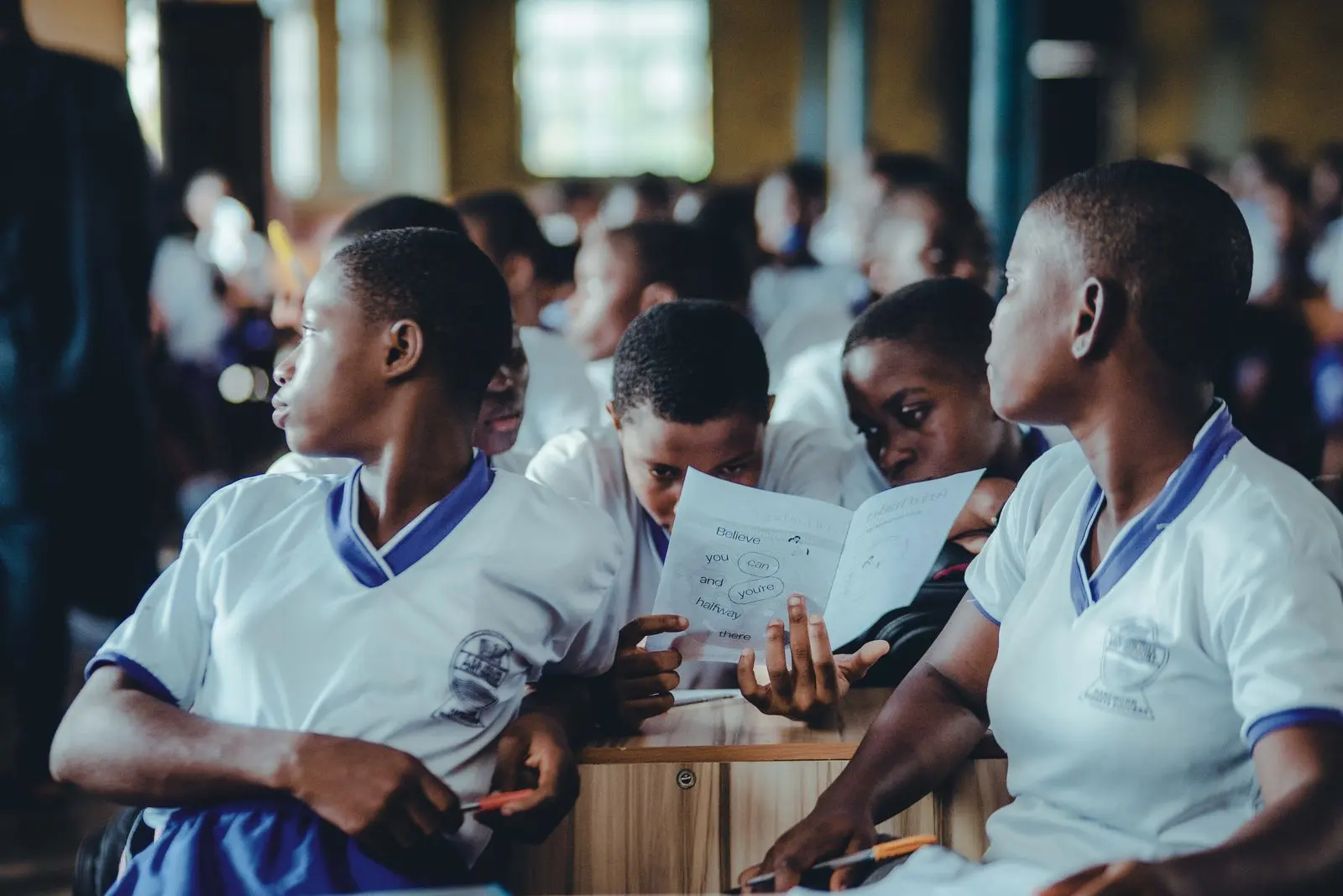
About 98,000 children have also taken part in the Teaching at the Right Level (TaRL) programme, which aims to strengthen reading and numeracy skills. UNICEF-supported initiatives include teacher training, the distribution of educational materials, accelerated learning programmes and schemes combining Quranic education with conventional learning. Radio lessons and the Nigeria Learning Passport platform also help reach children affected by displacement and insecurity.
In the health sector, 7.8 million children have been covered by measles and rubella campaigns, while more than five million have received a polio vaccine. In Kebbi, 148,000 children received a first dose of the malaria vaccine and 130,000 a second dose. Health insurance programmes supported by UNICEF have 86,000 beneficiaries in Zamfara, 18,000 in Sokoto and 10,000 in Kebbi.
To combat severe acute malnutrition, Sokoto and Zamfara have allocated 100 million and 500 million naira respectively to purchase ready-to-use therapeutic food. Kebbi has earmarked approximately 540 million naira for free healthcare for children. UNICEF is also supporting the development of child protection laws, rules for family courts and social protection policies.
Despite the decline in international funding, Michael Juma says that educational programmes in the three states are continuing without disruption. To operate in hard-to-reach communities, the organisation works with field-level contacts and independent monitoring mechanisms.