






Around 624,000 children out of school in north-west Nigeria
By the AFREEQUE newsroom, based on Punch
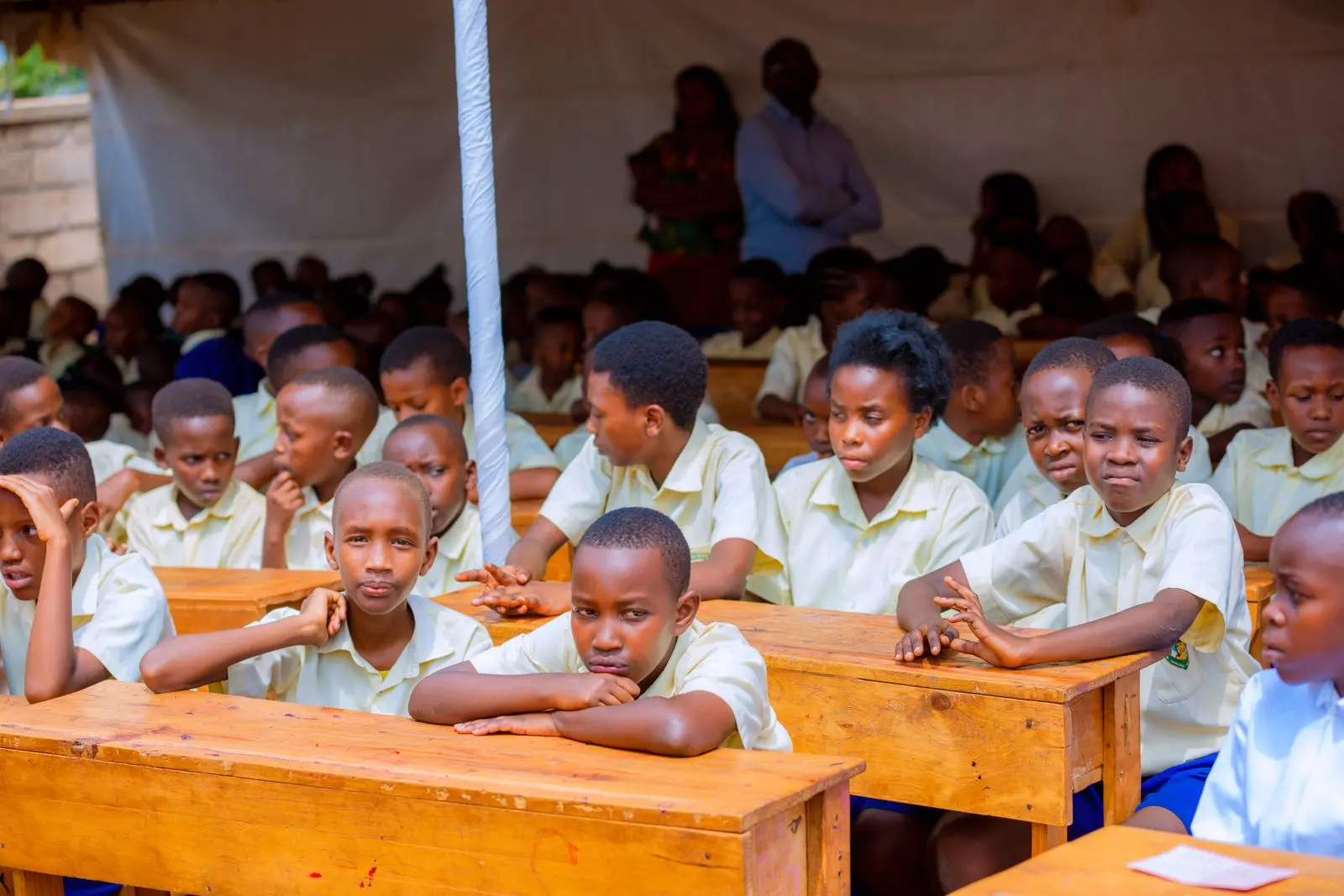 Illustrative image · Justin muhinda · Pexels · Licence Pexels
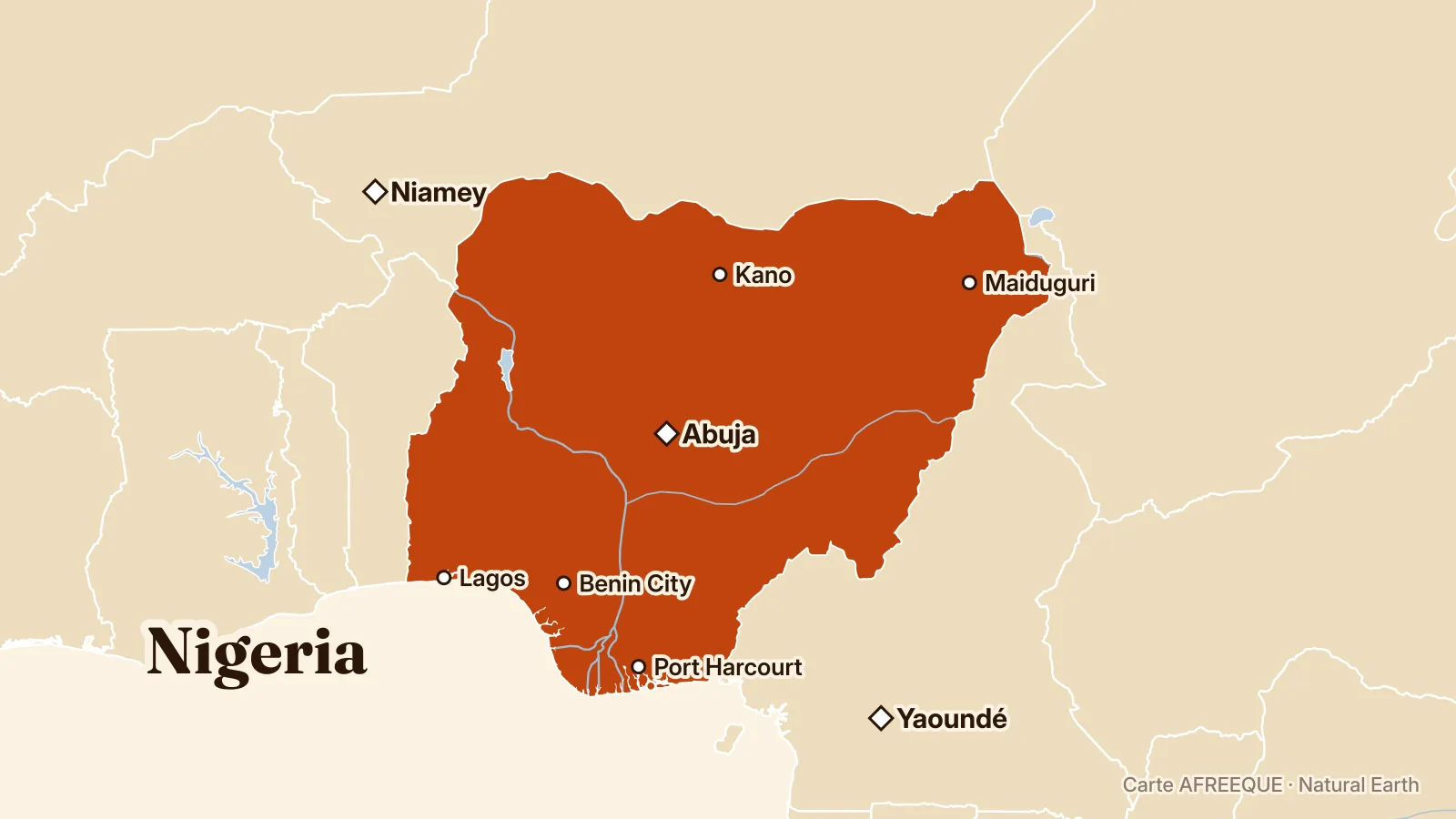
According to Michael Juma, head of UNICEF’s Sokoto office, around 624,000 children remain out of school in Sokoto, Kebbi and Zamfara states, of whom only 68,000 have been re-enrolled. Speaking at a press briefing on World Children’s Day, he called for greater public investment and community mobilisation.
Around 98,000 children in Sokoto, Kebbi and Zamfara states have benefited from the Teaching at the Right Level programme, which aims to strengthen their basic reading and numeracy skills, according to Michael Juma, head of UNICEF’s Sokoto office. He was speaking on Friday at a meeting with the media organised to mark World Children’s Day 2026.
UNICEF also supports teacher training, the distribution of teaching materials and accelerated schooling schemes. Its interventions include integrated Quranic education, radio lessons and the Nigeria Learning Passport, a digital learning platform. Michael Juma called on the authorities to increase their investment and mobilise communities to encourage children to return to school. He also urged the media to contribute to defending children’s rights and monitoring public commitments.
In the health sector, vaccination campaigns against measles and rubella reached around 7.8 million children in the three states. More than five million also received polio vaccines during the latest completed campaign. In Kebbi, where malaria vaccination has been introduced, around 148,000 children received a first dose and 130,000 a second dose.
Michael Juma also cited financial contributions from local authorities to the fight against malnutrition. Sokoto and Zamfara states committed nearly 100 million and 500 million naira respectively to buying therapeutic food for children suffering from severe acute malnutrition. The Kebbi government, for its part, allocated around 540 million naira to free medical care for children.
Health insurance schemes supported by UNICEF also have around 86,000 beneficiaries in Zamfara, 18,000 in Sokoto and 10,000 in Kebbi, according to the organisation’s official.